Recipe Note
Recipe FAQ
What is the history of mirepoix?
Mirepoix takes its name from Charles-Pierre-Gaston François de Lévis, the Duke of Mirepoix, an 18th-century French aristocrat whose cook is credited with formalizing the vegetable base. The underlying technique is older — the practice of building flavor with aromatic vegetables has existed across European cuisines for centuries. The French codified it as part of the classical cuisine system developed in the 19th century by Escoffier and Carême, and it became one of the foundational "mother techniques" taught in culinary schools worldwide. Italian soffritto, Spanish sofrito, and Cajun holy trinity (onion, bell pepper, celery) are all regional variations on the same principle.
What is the correct ratio for mirepoix?
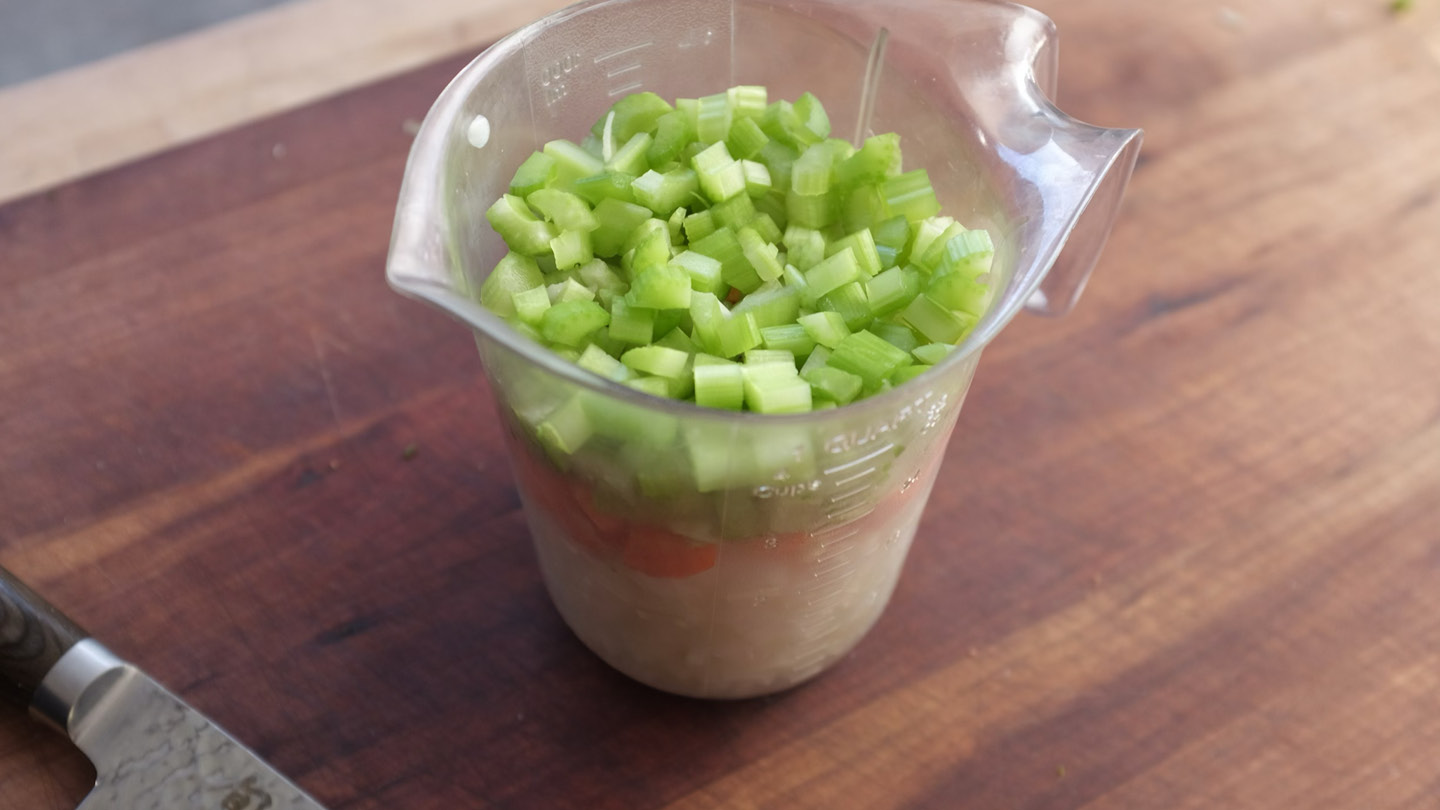
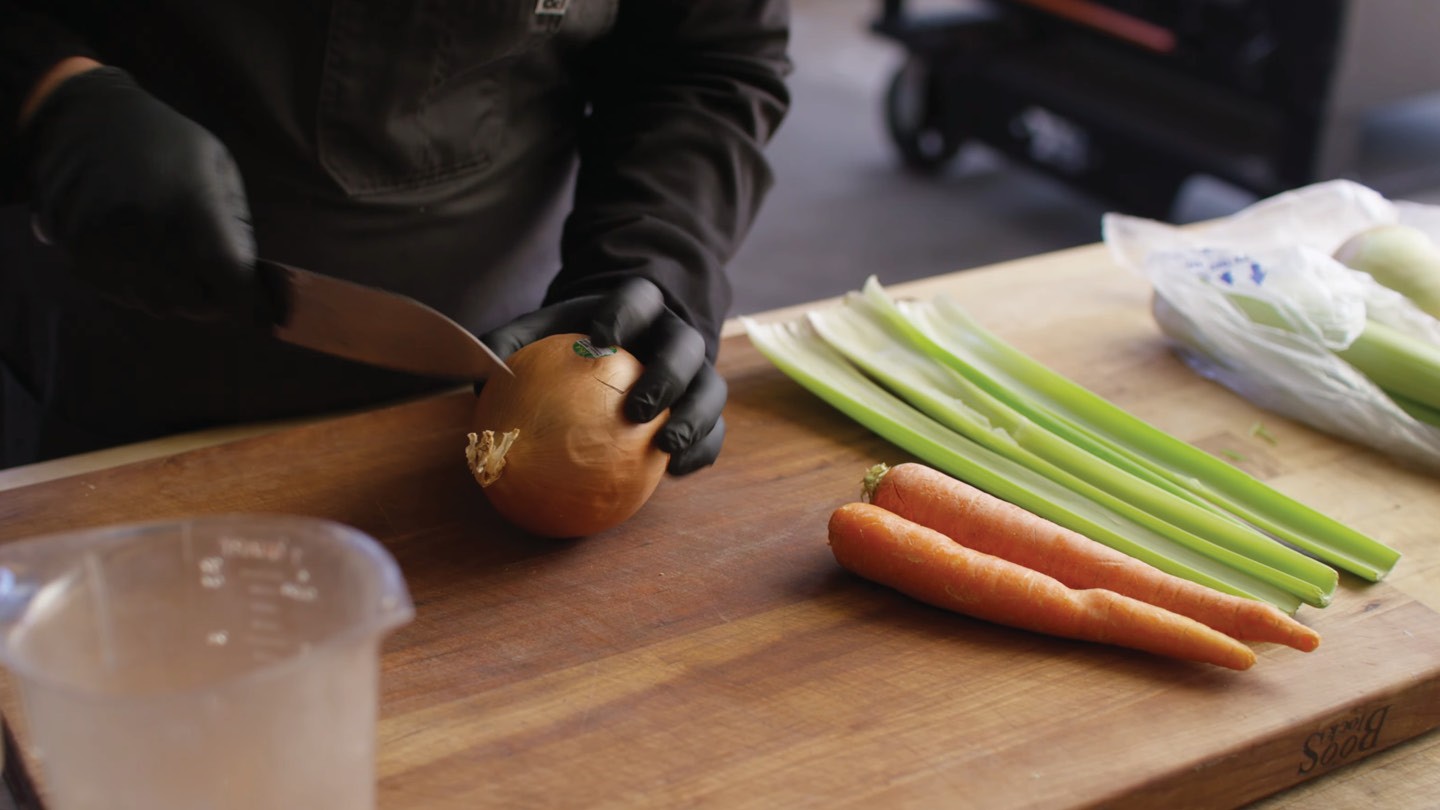
The classical French ratio is 2 parts onion to 1 part carrot to 1 part celery by weight. This produces a balanced base where the onion provides the most dominant sweetness and body. Variations exist: some preparations use leek in place of onion, or add parsnip or fennel as a fourth component. The ratio matters most when the mirepoix is the primary flavor vehicle — in a stock or a simple braise, the balance is critical; in a complex sauce with many other flavor contributors, minor deviations are inconsequential.
How small should I dice the vegetables?
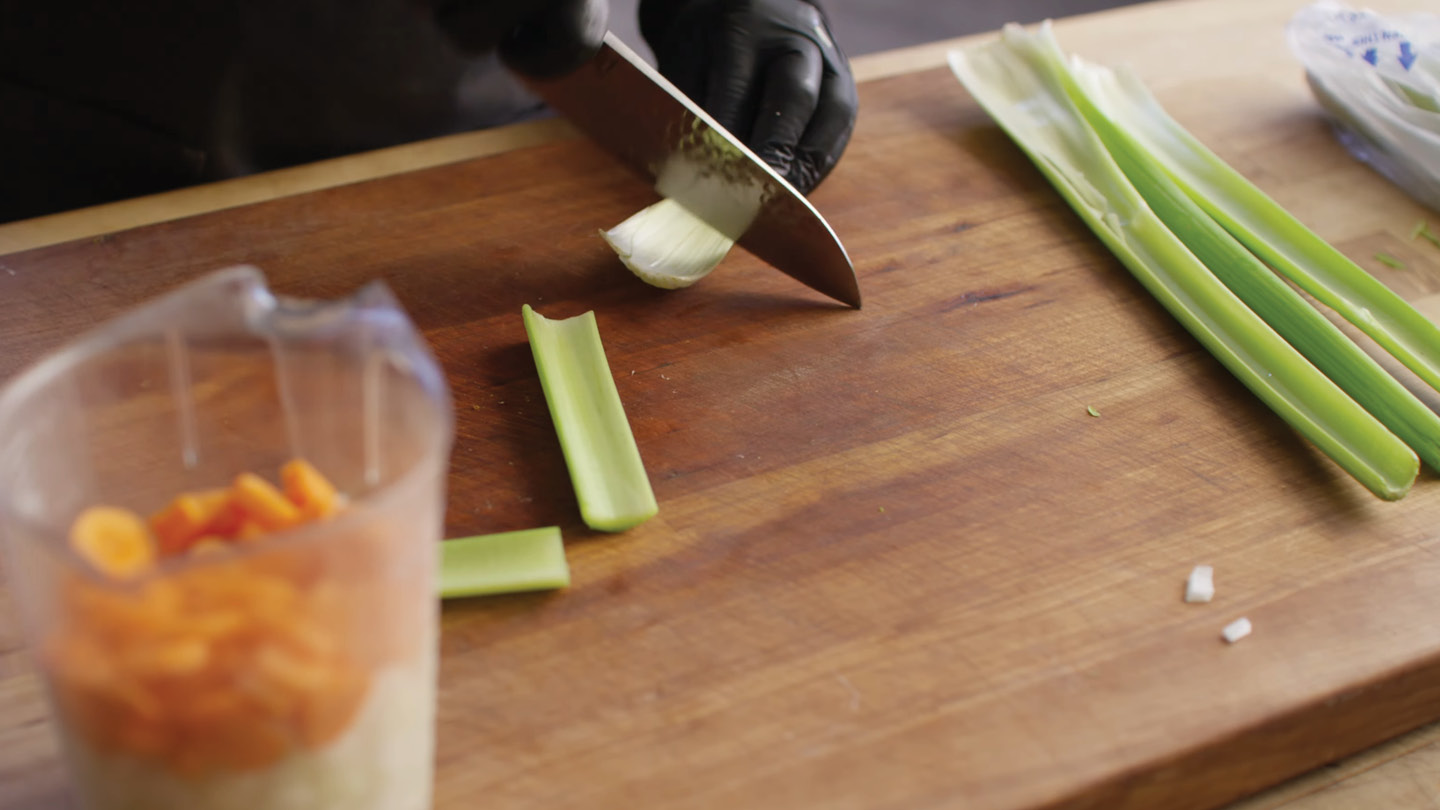
It depends on the application. For soups and sauces with a short to medium cook time (20–45 minutes), dice to approximately ¼ inch — small enough to soften fully and dissolve into the liquid, contributing flavor without texture. For stocks with long cook times (2–6 hours), dice to ½–¾ inch — large enough to stay structurally intact while releasing flavor over the extended simmer. For braises that will be strained or puréed after cooking, size is less critical since the vegetables won't be served.
Should I cook mirepoix in butter or oil?
Both work — the choice affects flavor. Butter produces a richer, sweeter mirepoix as the milk solids caramelize alongside the vegetables; it's the traditional choice for French-style preparations, cream sauces, and butter-enriched braises. Olive oil produces a lighter base with a faint fruitiness and is better suited to Italian and Mediterranean preparations, tomato-based dishes, and any recipe where a clean vegetable flavor is preferred. Some chefs use clarified butter for high-heat applications where regular butter would burn.
What is the difference between mirepoix and soffritto?
Mirepoix (French) uses onion, carrot, and celery. Soffritto (Italian) also typically uses onion, carrot, and celery, often with the addition of garlic and sometimes tomato paste — the Italian version is generally cooked longer and more deeply. Cajun holy trinity substitutes bell pepper for carrot, producing a distinctly different flavor profile. Spanish sofrito typically includes tomatoes and garlic cooked into a concentrated paste. All serve the same function: a cooked aromatic vegetable base that builds the flavor foundation of a dish.
Can I make this indoors?
5 out of 5 — Perfect for indoor or outdoor cooking. Mirepoix is stovetop prep, entirely equipment-independent from any grill or smoker.
Recipe Highlights
Sweat, don't brown: The directions say to sauté in oil or butter, but the technique distinction matters — sweating means cooking over medium-low heat until the vegetables are translucent and soft without any browning. Browning mirepoix produces a caramelized, deeper flavor that is correct for some applications (dark stocks, rich braises) but wrong for white stocks, cream sauces, and delicate preparations where a clean, light flavor base is needed. Match the cooking method to the dish.
Cut the onion slightly larger than the carrot and celery: Onion has a higher water content and cooks faster than carrot. Cutting the onion slightly larger than the carrot and celery compensates for this — all three vegetables will reach the same soft, translucent state at approximately the same time. If all three are cut to the same size, the onion finishes before the carrot, leading to uneven texture and the risk of the onion burning while the carrot is still firm.
Season with salt as soon as the vegetables hit the pan: Adding salt at the start draws moisture from the vegetables through osmosis, accelerating softening and reducing cook time. It also seasons the mirepoix from the inside rather than just the surface. This is particularly important for the celery, which takes the longest to soften and benefits most from the early salt addition.
The aromatics article on ATBBQ goes significantly deeper on this technique: The Building Flavor with Aromatics article at atbbq.com/blogs/expert-advice/building-flavor-with-aromatics covers the science behind why aromatic vegetables behave the way they do in fat and liquid, and expands on the mirepoix concept with additional aromatic combinations. It's the recommended next read for anyone who wants to understand why this technique works, not just how to execute it.
Recommended Recipes