Recipe Note
Recipe FAQ
What is the history of Jamaican jerk cooking?
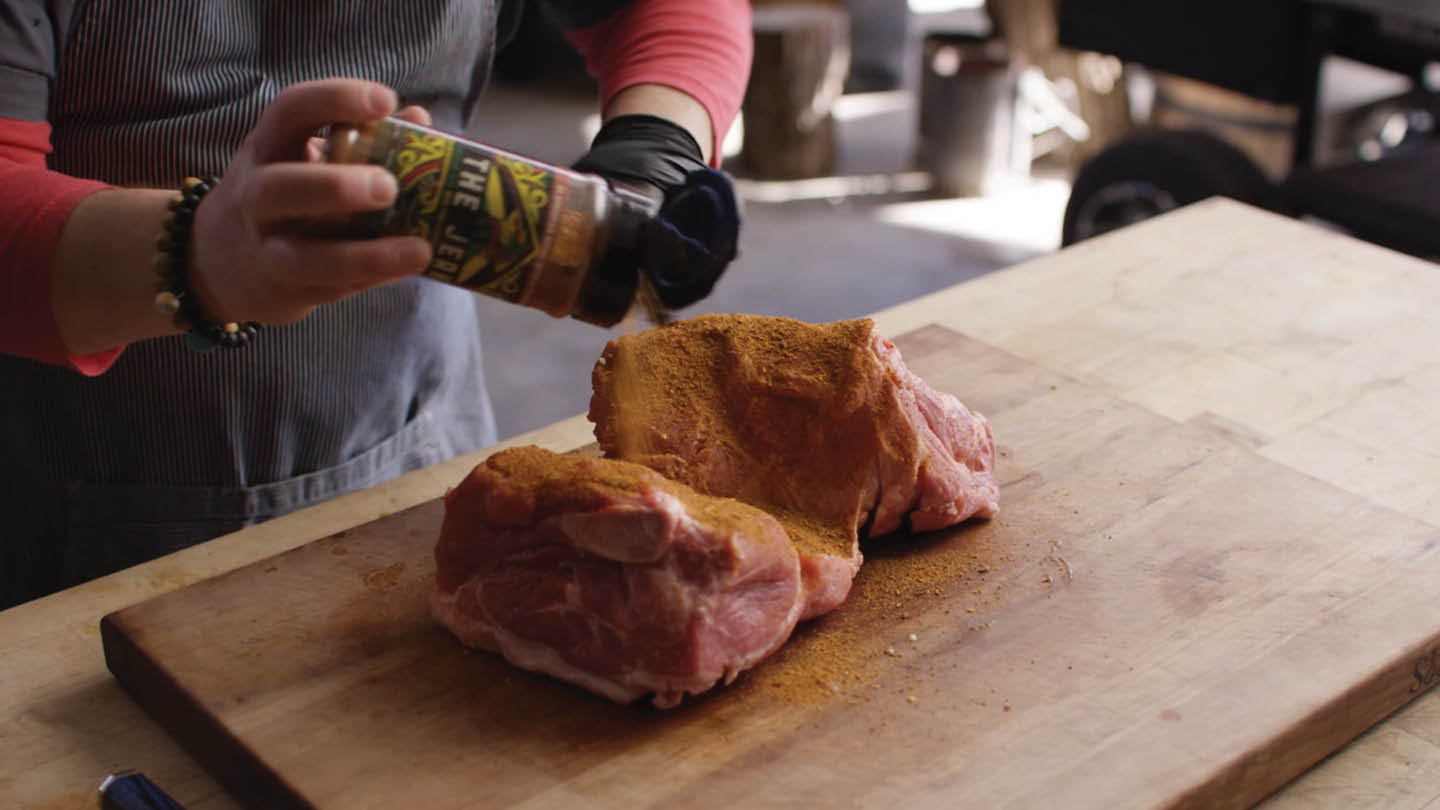
Jerk is one of Jamaica's oldest and most distinctive cooking traditions, with roots tracing to the indigenous Taíno people and the Maroons — escaped enslaved Africans who developed the technique of smoking and seasoning pork in the Blue Mountains of Jamaica. The word "jerk" likely derives from the Quechua word "charqui," meaning dried, cured meat — the same root as "jerky." Traditional jerk uses a paste of scotch bonnet peppers, allspice (pimento), thyme, garlic, and ginger applied to pork or chicken, which is then slow-cooked over pimento wood. This recipe adapts that tradition for a pellet grill by using Plowboys BBQ Jerk Seasoning and Yellowbird Habanero Hot Sauce as the base, with an overnight smoke that approximates the low-and-slow pimento wood technique.
Why use Yellowbird Habanero as a binder before the jerk seasoning?
The hot sauce binder does two things: it provides a wet surface that helps the dry jerk seasoning adhere to the pork during the overnight smoke without sloughing off, and it adds a layer of habanero heat and acidity that works with the jerk seasoning's allspice-forward flavor profile. Habanero and scotch bonnet peppers are traditional jerk ingredients — using Yellowbird as the binder keeps the flavor in the right register rather than defaulting to a neutral oil binder.
Why soak the beans overnight?
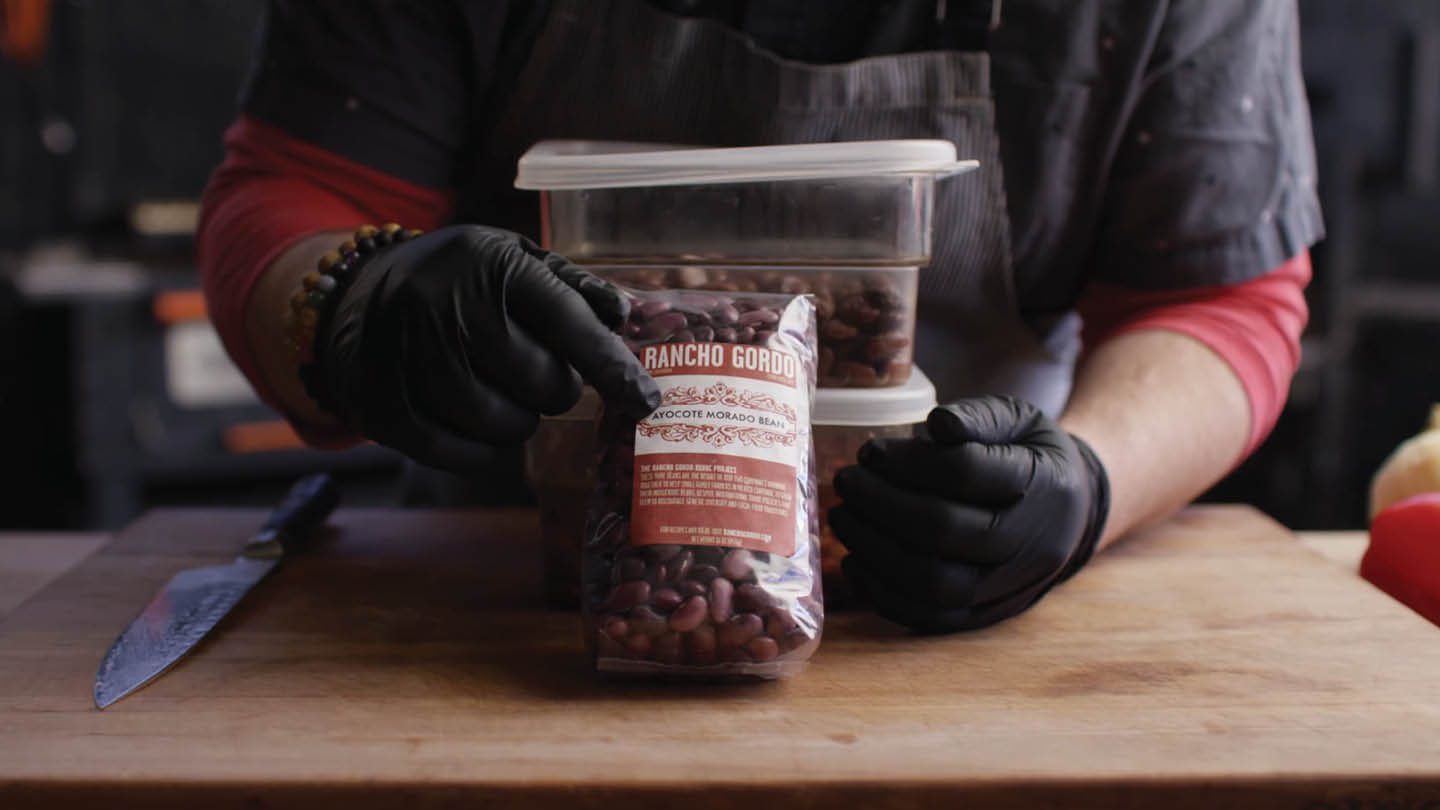
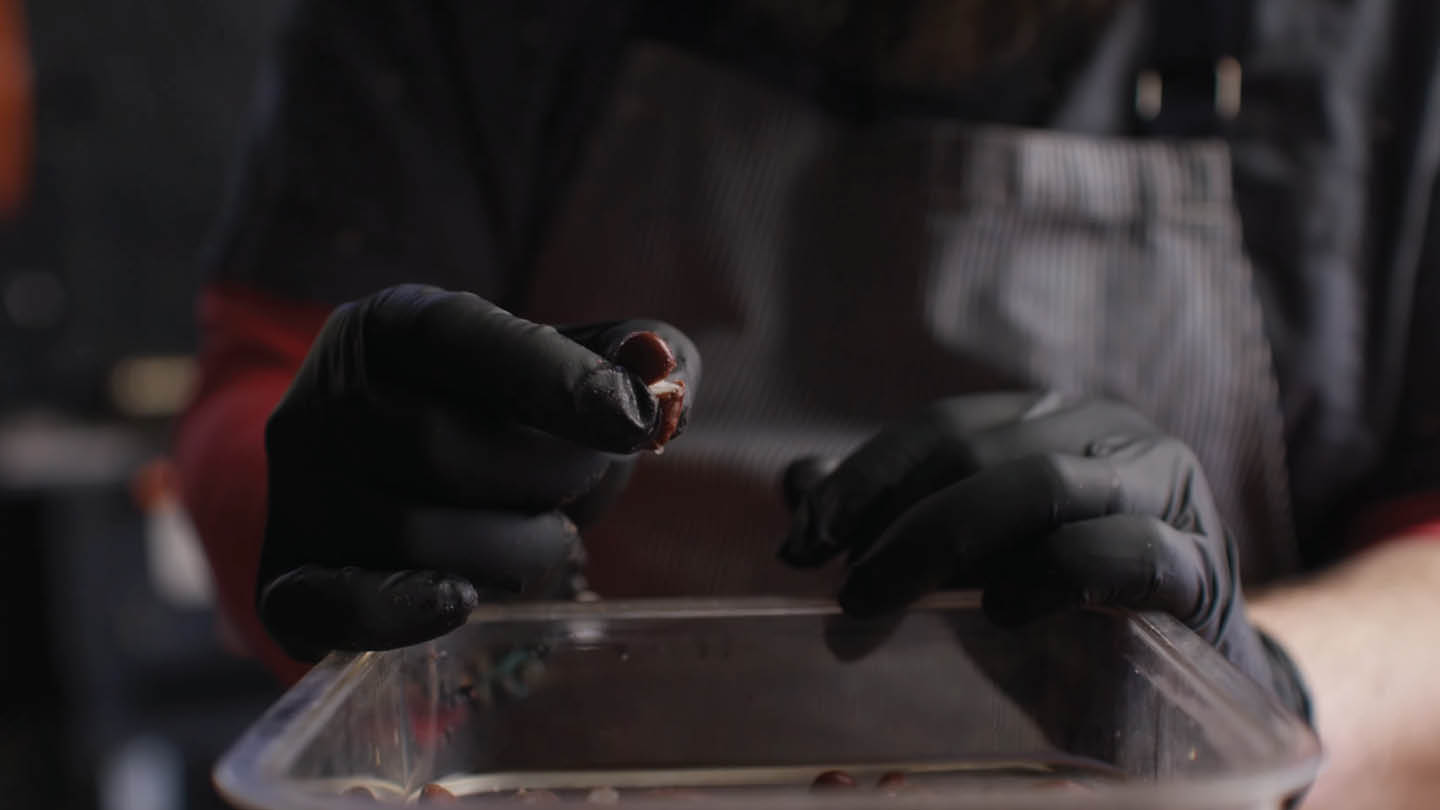
Rancho Gordo Avócate Morado beans are dense, heirloom dried beans that benefit from overnight soaking. Soaking hydrates the beans before cooking, shortening the active simmer time from 2+ hours to approximately 45 minutes. Unsoaked dried beans can cook unevenly — soft on the outside but still firm at the center. Soaking also leaches out some of the oligosaccharides responsible for digestive discomfort. The beans and the pork both start overnight simultaneously, which makes the timing work neatly.
What is the difference between habanero and scotch bonnet peppers?
Habanero and scotch bonnet are closely related varieties with similar Scoville ratings (100,000–350,000 SHU) but different flavor profiles. Scotch bonnet is the traditional Jamaican jerk pepper — it has a slightly sweeter, more floral, fruity character with a rounder heat. Habanero is slightly more assertive and less sweet. Either works in this recipe; if you can find scotch bonnet peppers, they produce a more authentic flavor in the rice and beans. The recipe notes habanero/scotch bonnet interchangeably, so use whichever is available.
Can I substitute canned beans instead of dried?
Yes — skip the overnight soak and the Direction Step 6 simmer entirely. Drain and rinse two cans of kidney beans or black beans (the closest canned approximation to Avócate Morado) and add them directly at Direction Step 8 when the par-cooked dried beans would go in. The texture will be slightly softer than the dried bean version, and the flavor less complex, but the overall dish works well. The cook time for the rice step remains the same — 45–60 minutes until the rice is tender.
Can I make this indoors?
2 out of 5 — Can be done inside, loses key flavor. A Dutch oven in a 275°F oven with the jerk-rubbed pork shoulder, covered, for 6–8 hours produces excellent pulled pork. What you lose is the overnight smoke at 190°F — the dark mahogany bark, the deep pellet smoke penetration, and the live-fire character that defines the recipe. The rice and beans component is entirely stovetop and requires no modification for indoor cooking.
Recipe Highlights
Start the bean soak and the pork smoke at the same time the night before: Direction Step 4 specifies soaking the beans overnight — the same overnight window as the pork smoke in Direction Step 3. Both are unattended: pork goes on the grill before bed, beans go in water at the same time. When you wake up, the pork is mid-cook and the beans are ready to simmer. Missing the overnight soak means either using canned beans or adding 2+ hours of unplanned simmer time the next morning.
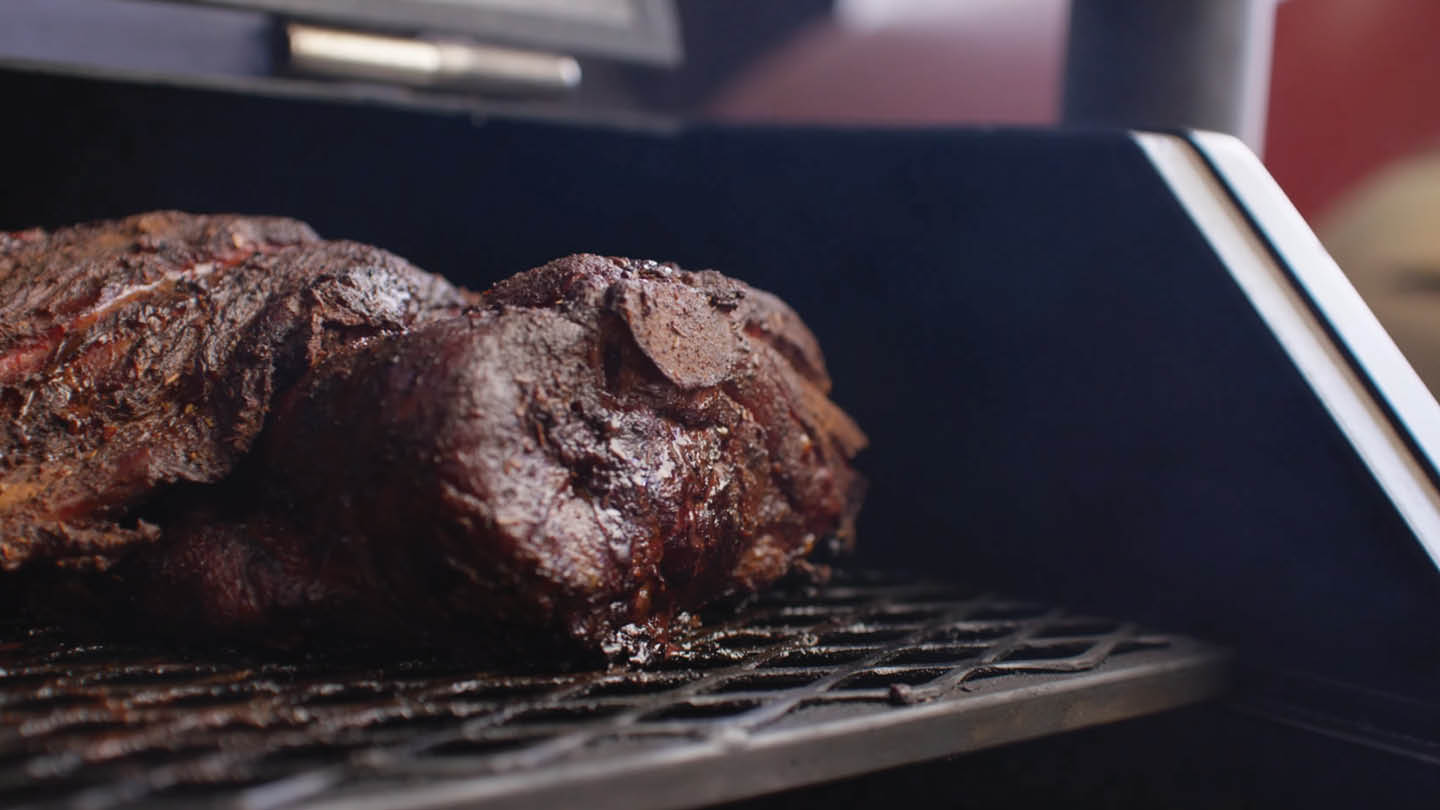
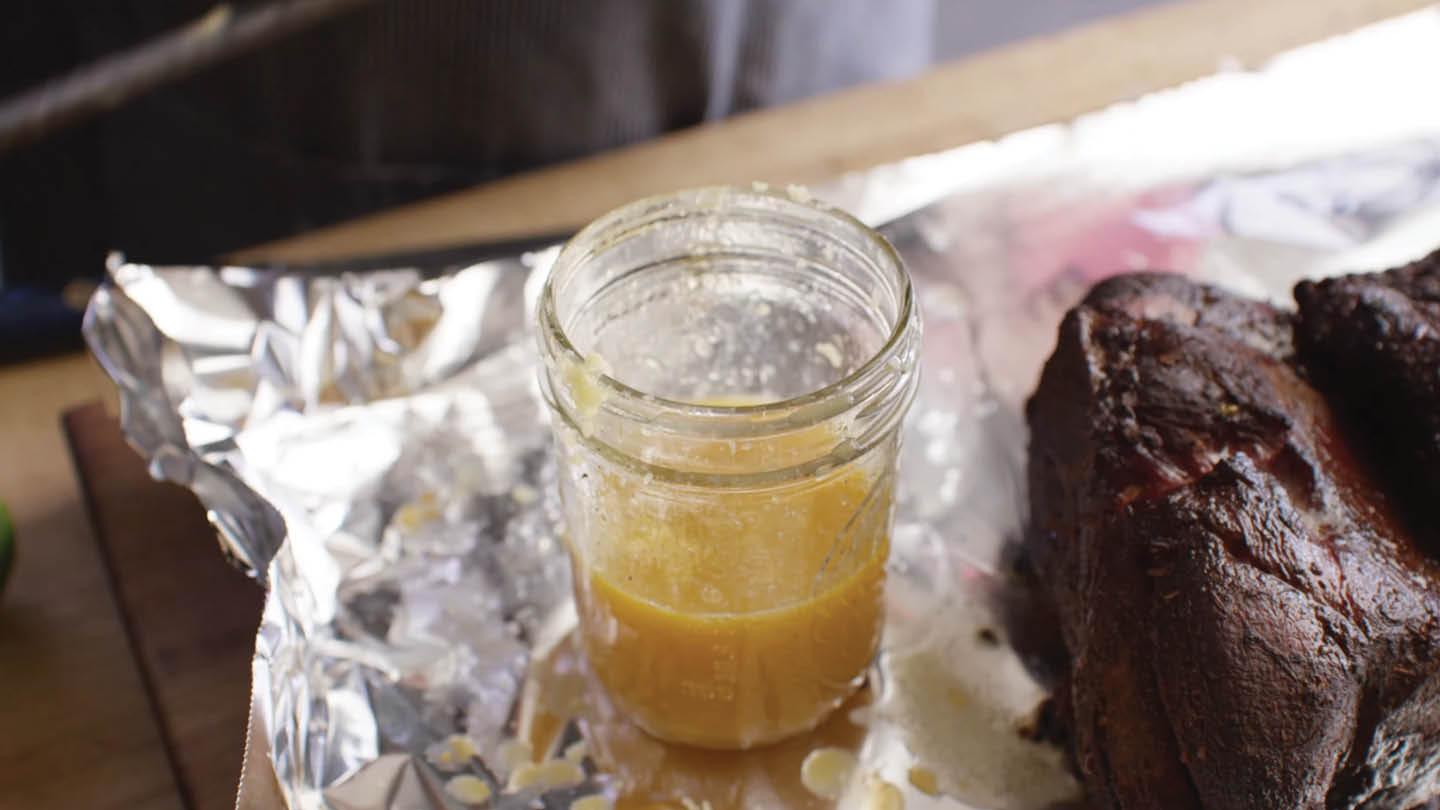
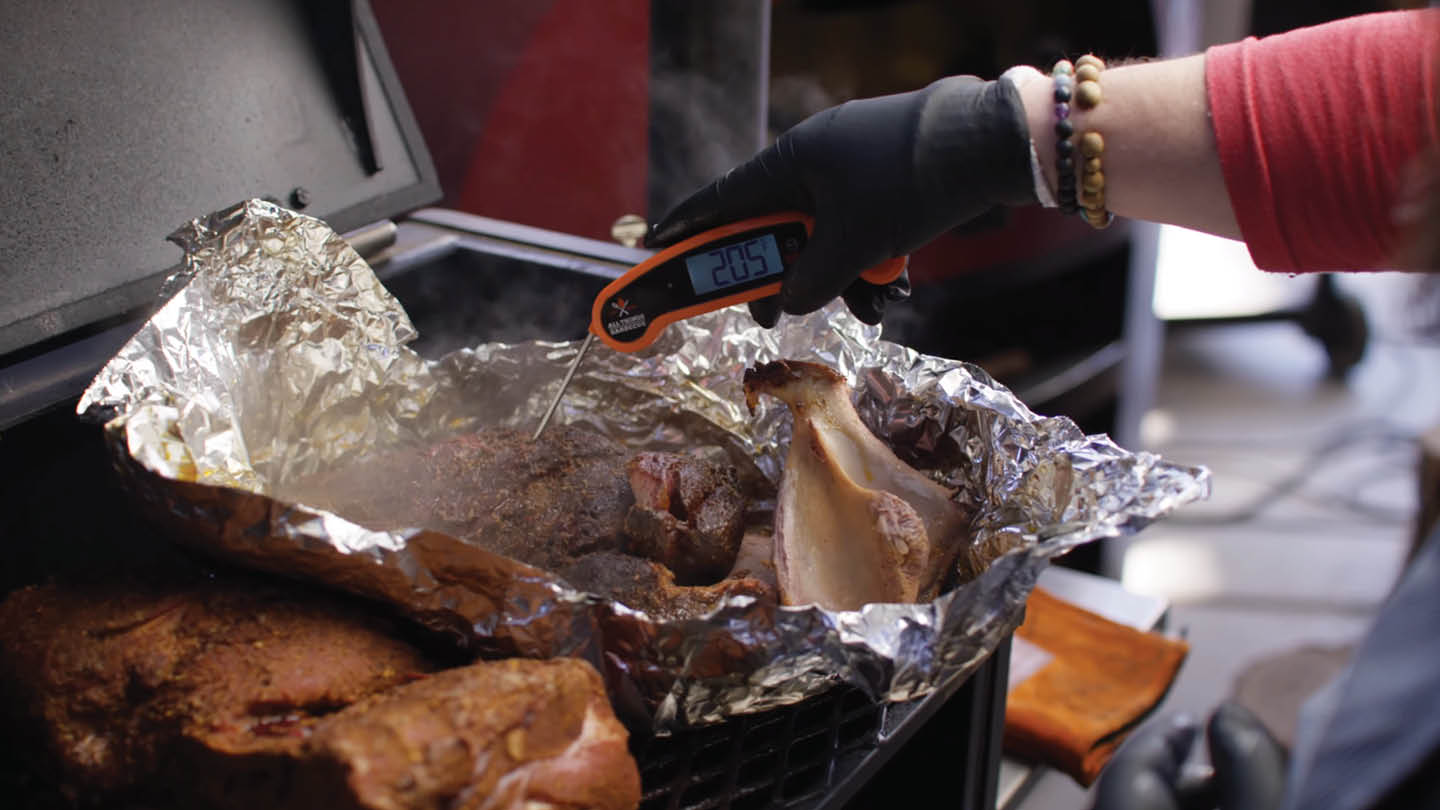
The bark must be set before wrapping — don't rush it: Direction Step 5 specifies wrapping when a dark mahogany bark has formed at around 160°F internal temperature. The bark is what holds the citrus-habanero wrap liquid inside the foil against the meat surface during the final braise rather than pooling at the bottom. An unset bark will soften and dissolve in the wrap liquid; a properly set bark remains intact and the wrap moisture penetrates from the exterior inward. If the internal temperature hits 160°F but the bark still feels soft, continue at 250°F until it firms and darkens.
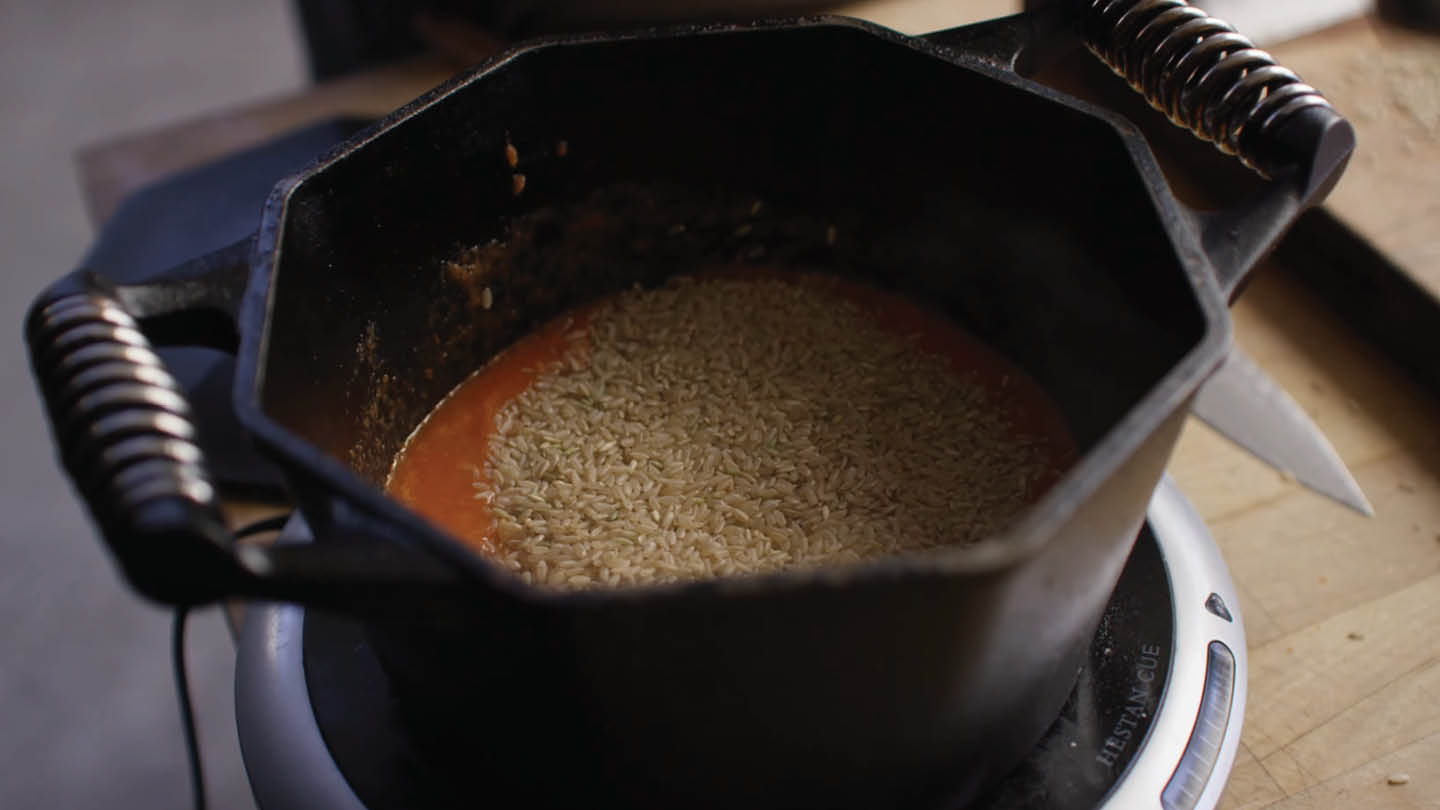
Blend the vegetable base until completely smooth before adding the rice: Direction Step 7 specifies combining onion, peppers, garlic, and canned tomatoes in a blender and blending until smooth before adding to the Dutch oven with the rice and coconut milk. Any unblended chunks will produce uneven cooking — the rice around the chunks cooks differently than the rice in the smooth liquid. The smoother the base, the more evenly each grain of rice cooks and absorbs the concentrated vegetable-tomato flavor.
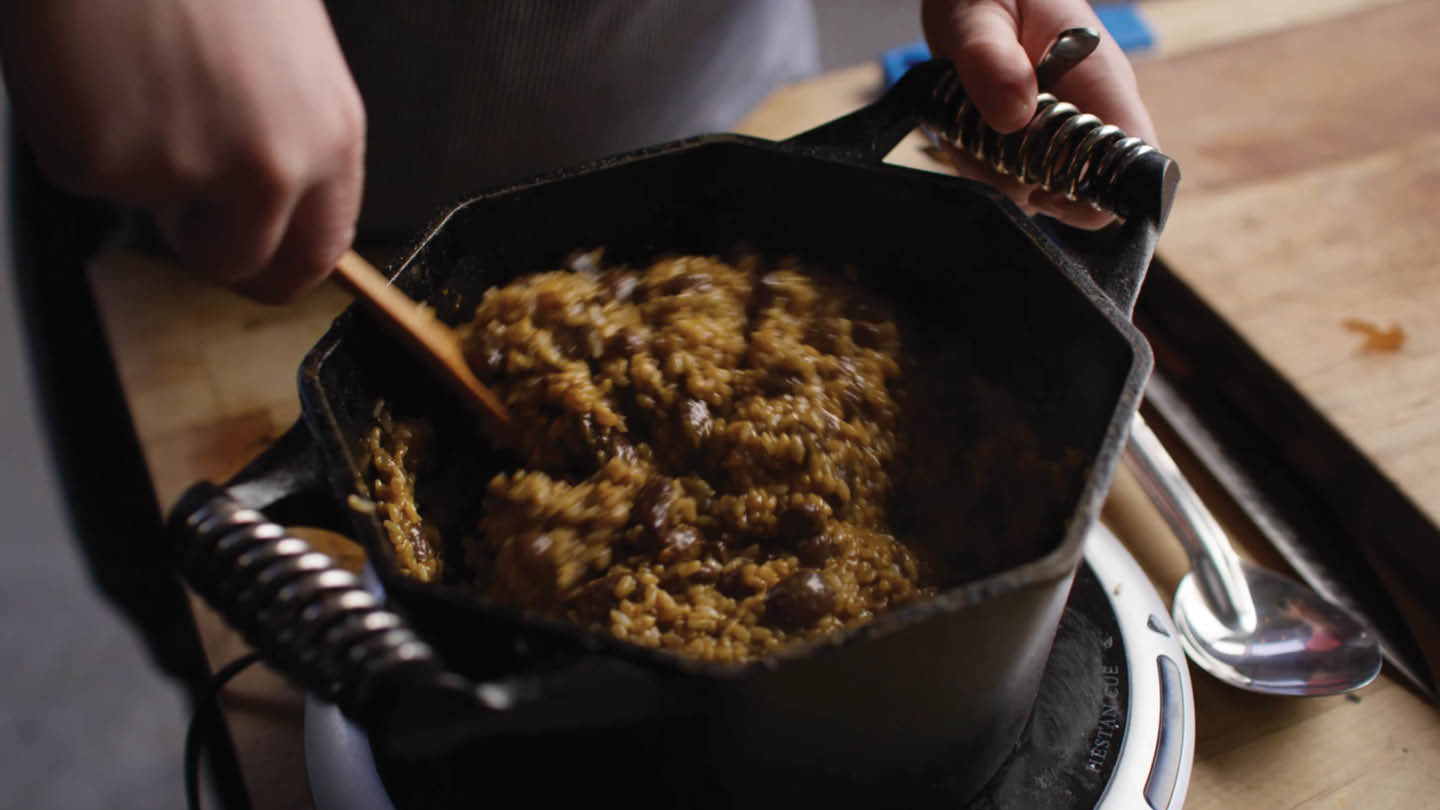
Add the par-cooked beans before the rice finishes — not after: Direction Step 8 specifies adding the par-cooked beans mid-cook with the lid on for the remaining time. Beans added at the very end don't have time to absorb the coconut-tomato cooking liquid and taste like a topping rather than an integrated component. Adding them mid-cook allows the beans to finish in the same liquid the rice is absorbing, producing a cohesive flavor throughout both components.
Recommended Recipes