Recipe Note
Recipe FAQ
Why sear the salmon first before building the curry sauce?
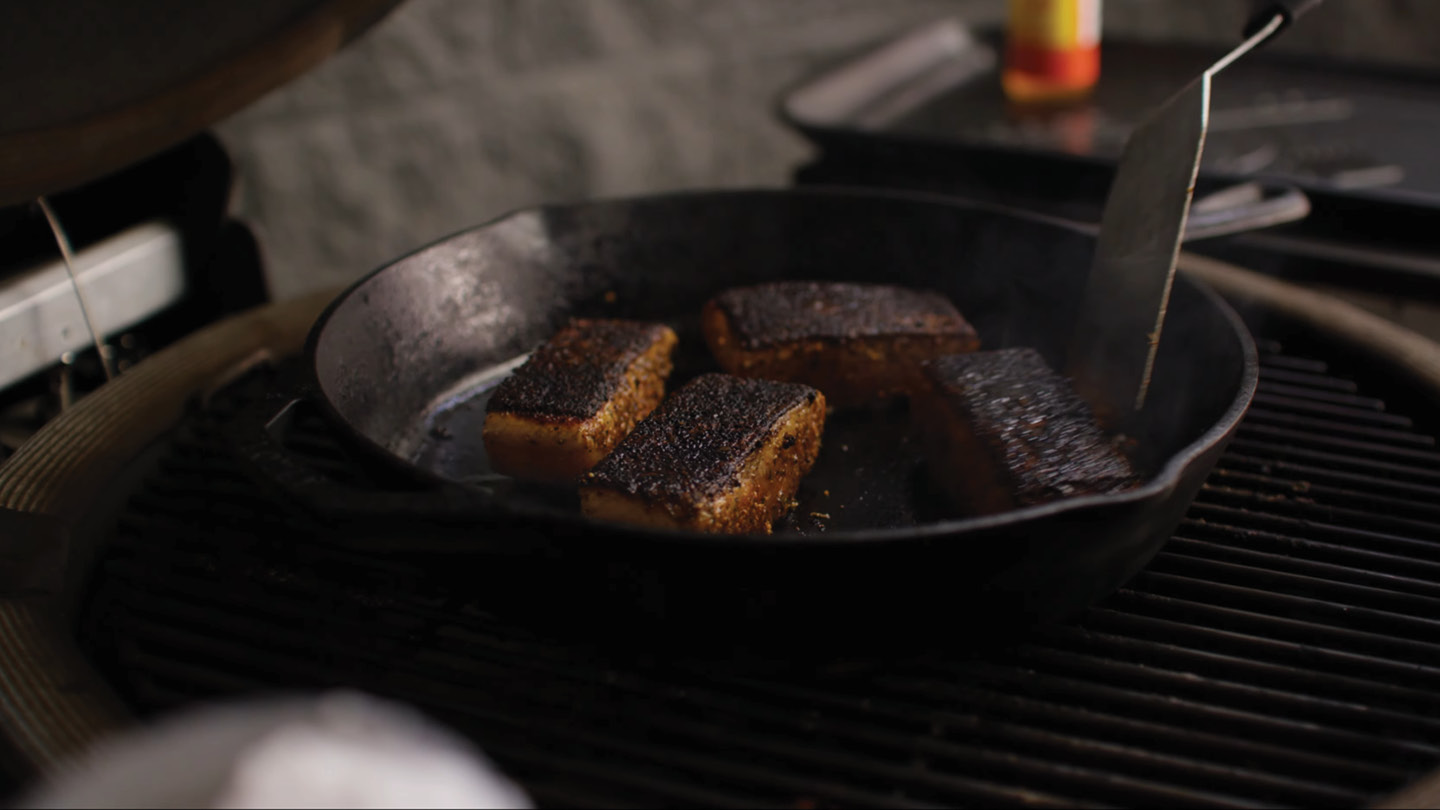
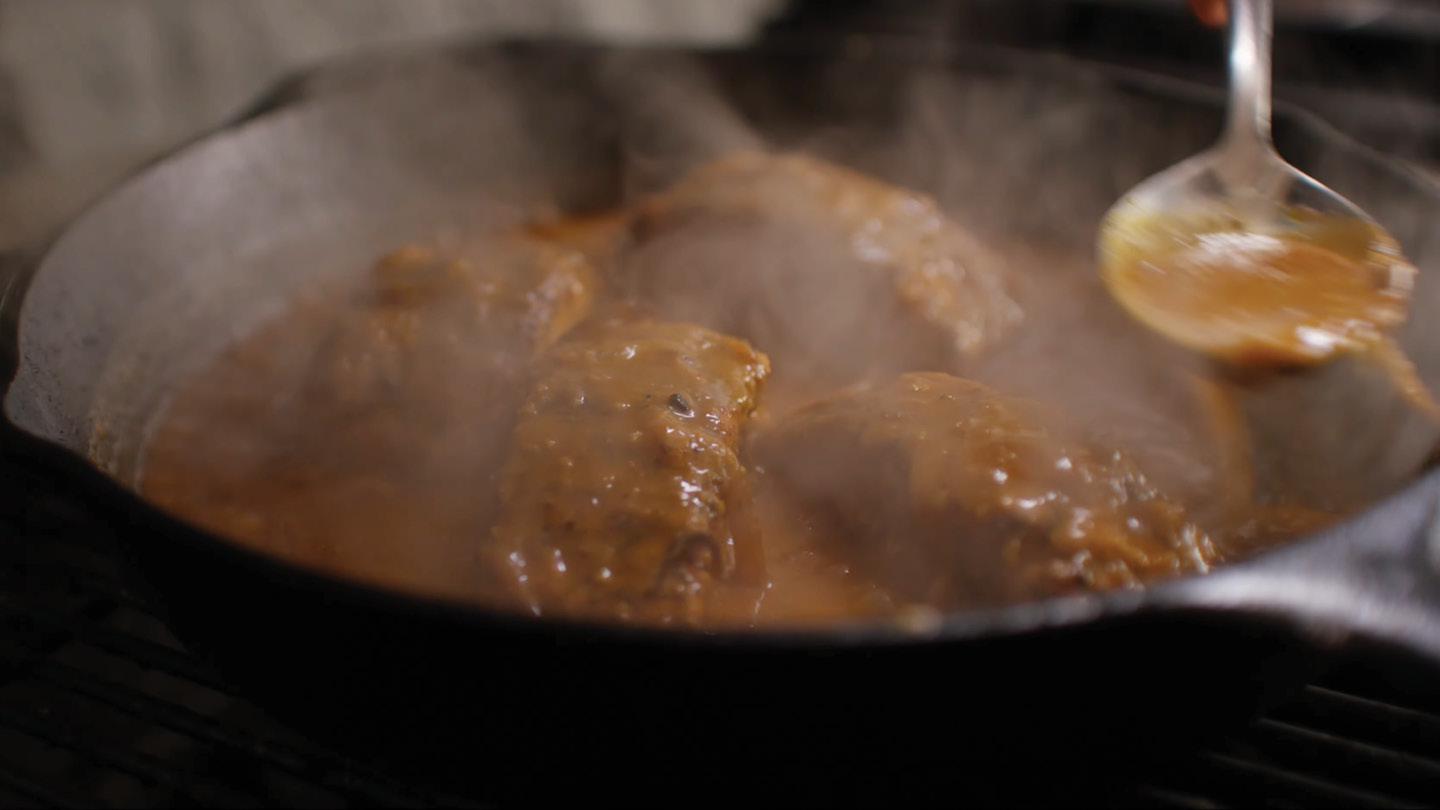
Direction Step 4 sears the salmon in the preheated cast iron skillet at 450°F, then removes it before building the sauce in Direction Step 5. The sear develops a caramelized crust that would be impossible to achieve if the salmon were added to the sauce from the start — it would poach and remain pale. The crust also provides structural integrity during the 12-minute simmer in the sauce; without it, the salmon fillets can break apart when spooned over and basted. The fond left in the skillet after searing also contributes flavor to the curry sauce built in the same pan.
Is this recipe Thai or Indian curry?
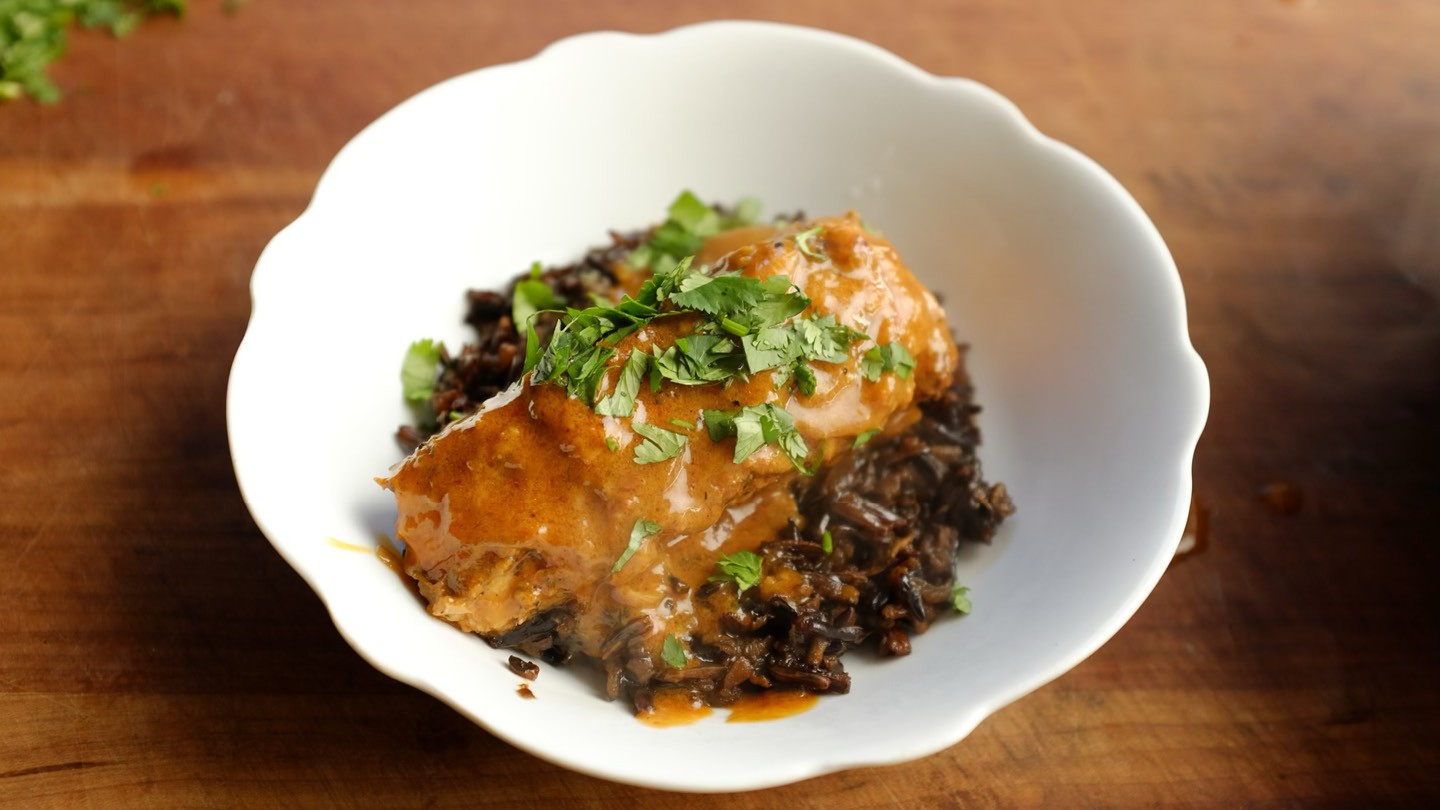
This recipe is Thai-influenced. The key indicators: red curry paste (a Thai preparation), fish sauce (a Southeast Asian condiment), coconut milk (common in Thai cooking), and sriracha (a Thai-American hot sauce). Indian curries typically use different spice profiles (garam masala, turmeric, cumin, coriander) and rely on ghee or neutral oil rather than coconut milk as the fat base. The Cattleman's Grill Provisioner's Blend on the salmon is an American BBQ seasoning that adds a cross-cultural layer — this is a fusion recipe rooted in Thai technique.
Why cook the wild rice in shallot and Chile Oil rather than plain water?
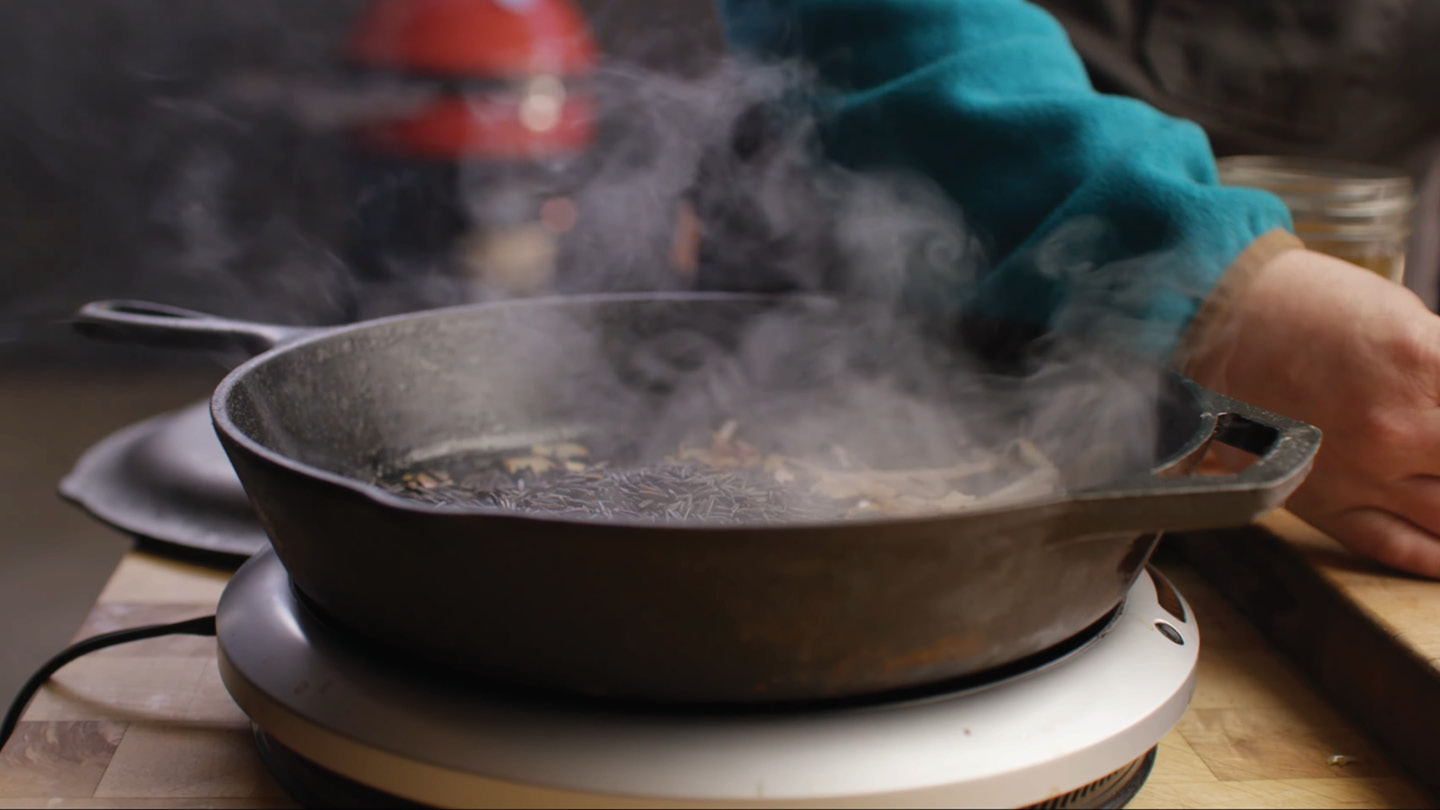
Direction Step 2 cooks the shallot in Chile Oil before adding the wild rice and veggie stock. This technique — toasting the rice and aromatics in fat before adding liquid — is called the pilaf method. It coats the wild rice grains in fat, which helps them cook more evenly and prevents clumping. The shallot adds sweet, aromatic depth to the rice that plain water or stock alone doesn't produce. The Black Garlic Sea Salt and lime zest added at the start also infuse the rice during the one-hour cook rather than sitting on the surface.
Can I substitute a different grill for the Kamado Joe?
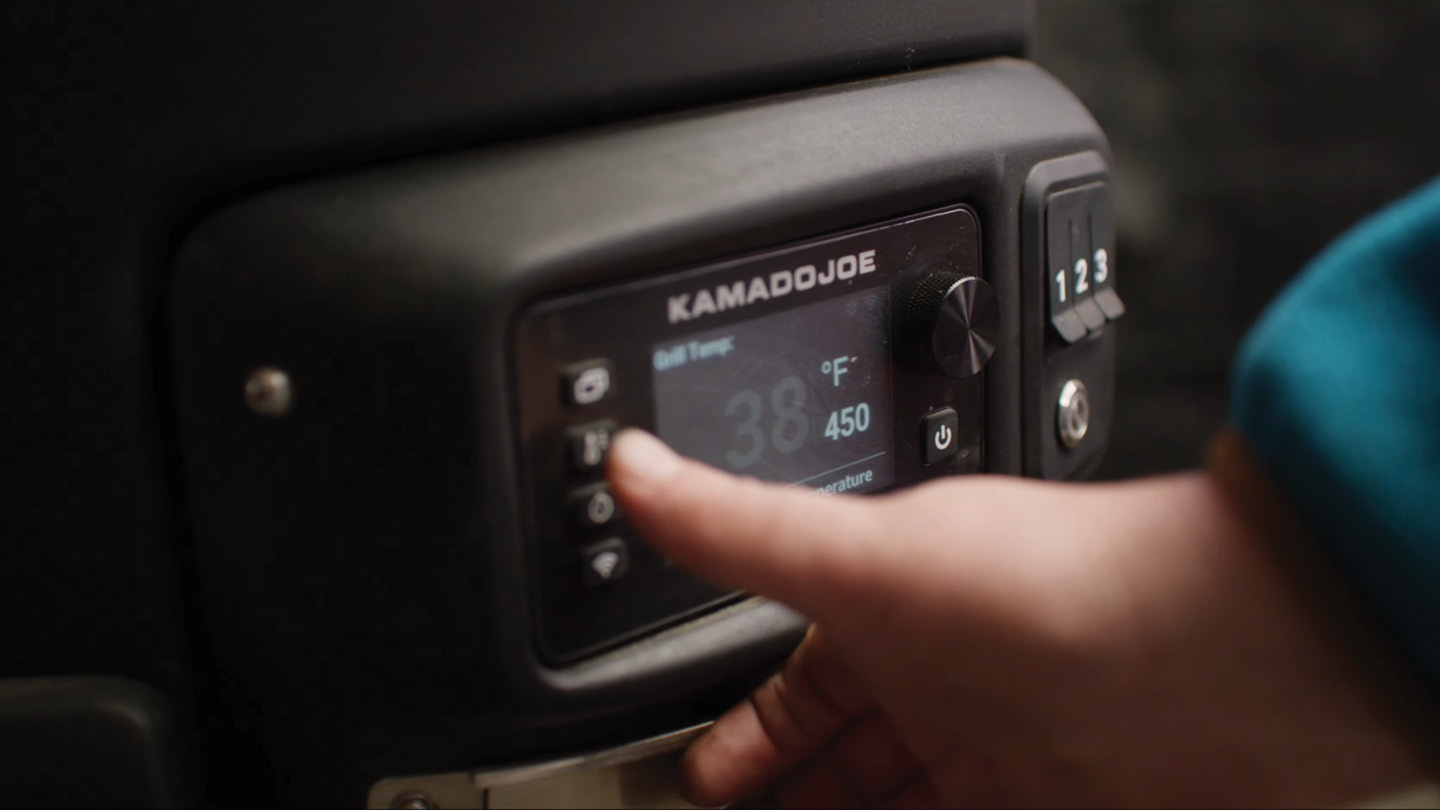
Yes — the Kamado Joe Konnected Joe is currently out of stock. Any charcoal or pellet grill set up for direct grilling at 450°F works. The Kamado Joe's ceramic construction provides excellent heat retention and moisture in the cooking environment, which benefits the curry sauce simmer step. A YS640s or other pellet grill set to 450°F with the diffuser door removed produces comparable results. The recipe can also be made entirely on the stovetop.
What temperature should the salmon reach?
Direction Step 5 specifies 135°F as the target before spooning sauce over the salmon and completing the final simmer. This is a mid-cook checkpoint: the subsequent 12-minute simmer in the coconut curry sauce will carry the salmon well above the FDA minimum of 145°F. The 135°F target ensures the salmon is nearly done before the sauce simmer begins, preventing overcooking. Use an instant-read thermometer and check the thickest part of the largest fillet.
Can I make this indoors?
4 out of 5 — Great in the kitchen, better on the grill. A Lodge 12" cast iron skillet preheated over high stovetop heat reproduces the entire recipe: sear the salmon at high heat, remove, build the curry sauce in the same pan, return the salmon, simmer covered. The wild rice cooks on a separate burner simultaneously. What you lose is the Kamado Joe's ceramic heat retention character during the sauce simmer and the subtle charcoal smoke note on the salmon crust.
Recipe Highlights
Start the wild rice before doing anything else — it takes a full hour: Direction Step 2 starts the wild rice at the same time as lighting the grill. Rancho Gordo California Wild Rice requires approximately one hour of covered simmering to become tender. The salmon and curry sauce require approximately 30–35 minutes. If you don't start the rice first, you'll finish the salmon and be waiting 30 minutes for the rice to catch up. Rice first — everything else second.
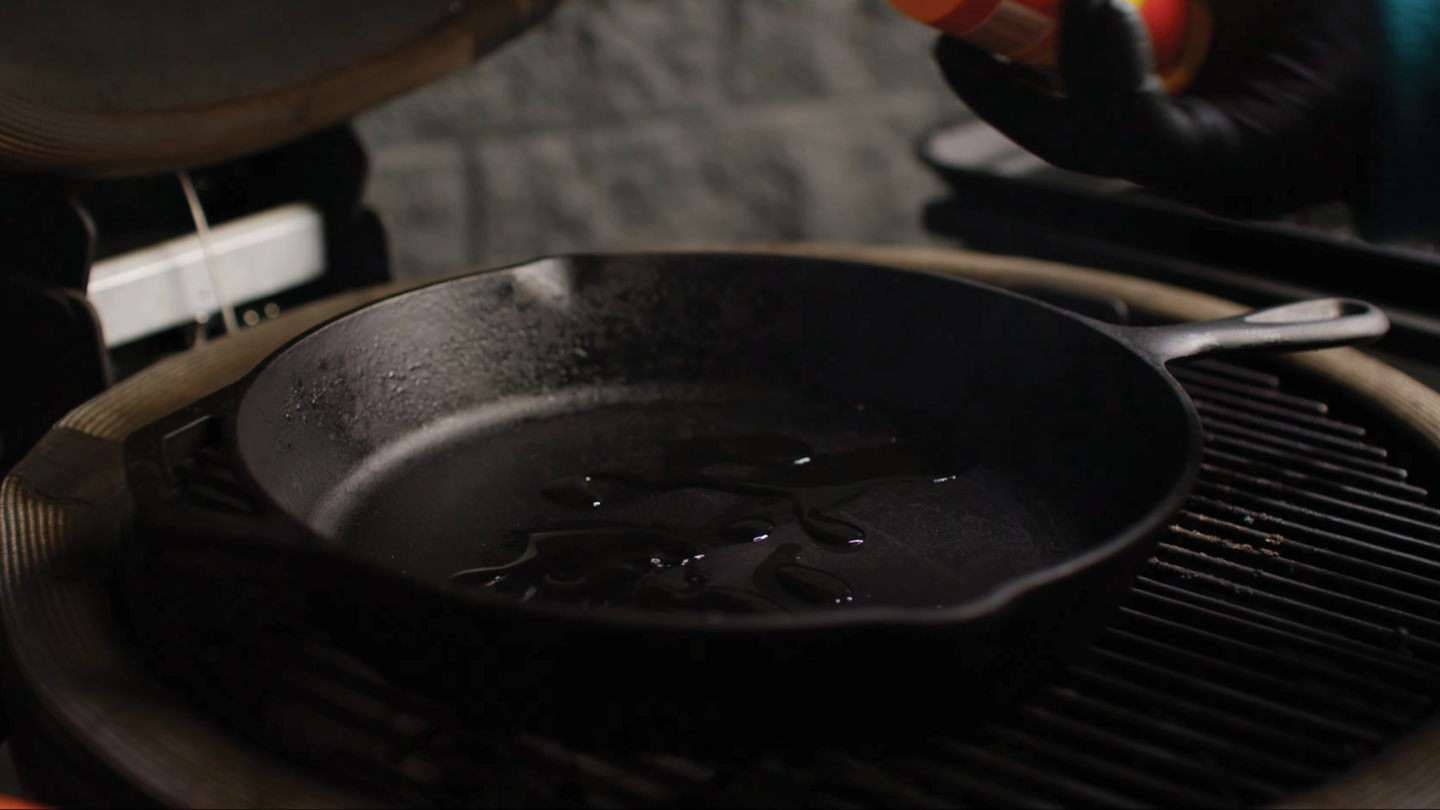
Preheat the cast iron skillet inside the grill for 5 minutes before searing: Direction Step 3 preheats the Lodge 12" Cast Iron Skillet inside the Kamado Joe for 5 minutes at 450°F before anything goes in. Cast iron requires stored heat to sear properly — a cold or underheated skillet produces steaming rather than searing. At 450°F, 5 minutes is enough for the skillet surface to reach searing temperature. The Chile Oil added in Direction Step 4 will smoke immediately on contact with a properly preheated skillet — that's correct.
Sear just long enough to get crust — don't cook through: Direction Step 4 says "just long enough to get a good crust on the surface." The salmon is not cooked through at this stage; it finishes in the sauce. Over-searing before the sauce simmer produces dry salmon — the exterior cooks while the interior is not yet at temperature, and the subsequent simmer then overcooks what's already done. About 1–2 minutes per side at 450°F develops sufficient crust without cooking the interior.
Add garlic, ginger, and curry paste together — cook briefly before adding coconut milk: Direction Step 5 adds garlic, ginger, and curry paste after the shallot and cooks "for about one minute" before adding coconut milk. This brief bloom step activates the fat-soluble aromatics in the curry paste and releases the volatile compounds in fresh garlic and ginger — compounds that develop their full flavor only when briefly heated in fat. Adding coconut milk immediately after the shallot dilutes and prevents this bloom, producing a flatter sauce.
Recommended Recipes