

Chile Colorado is a Mexican red Chile beef or pork stew. Chef Tom’s beef of choice is brisket and chorizo simmered in an earthy, flavorful red chile sauce made from dried red chiles. Add some warming spices and potatoes for a hearty stew that screams fall.
WHAT YOU'LL LOVE
- The dried chile trio — chipotle, guajillo, ancho — builds a sauce with three distinct flavor layers: smoky heat (chipotle), fruity brightness (guajillo), and deep earthy sweetness (ancho). Toasting them before rehydrating drives off the musty dried flavor and activates their essential oils.
- Brisket as the braising cut is a deliberate upgrade from traditional stewing beef — its intramuscular fat and collagen produce a richer, more unctuous braise than chuck, and its BBQ heritage connects the Mexican technique to the ATBBQ catalog.
- Cinnamon and allspice in a beef stew is the detail that makes this feel authentically Mexican — these warm spices are foundational to Mexican mole and chile-based sauces, providing depth that distinguishes Chile Colorado from Texas chili or European beef stew.
- Adding the potatoes only in the final 30–45 minutes keeps them from disintegrating — they absorb the deeply flavored braising liquid without turning mushy, providing textural contrast to the tender beef.
Chile Colorado
Tom Jackson
Rated 4.5 stars by 15 users
Category
Beef
Cuisine
Mexican
Servings
12
Prep Time
20 minutes
Cook Time
3 hours 5 minutes
Calories
420
The perfect meal for cold days is comfort food. Chef Tom features tender beef brisket cubes and chorizo in this Mexican Chile, Chile Colorado. This popular Mexican stew is braised low and slow in a rich red chili sauce, fall spices, potatoes, onions, and garlic.
Ingredients
- 4 lb brisket, 1”-2” cubes
- 2 dried chipotles
- 5 dried guajillos
- 5 dried anchos
- 8 oz chorizo
- 2 cups yellow onion, diced
- 1/4 cup garlic, sliced
- 1 1/2 cups Ciao San Marzano Tomatoes
- 1 (12 fl oz) bottle Negra Modelo (dark Mexican beer)
- 2 quarts beef stock
-
3 tbsp Cattleman’s Grill Road House Steak & Beef Seasoning
- 1 tbsp Mexicano oregano
- 1 tsp cumin
- 1 tsp cinnamon
- 1/2 tsp allspice
- 1 bay leaf
- 2 lb red potatoes, large dice
- 1/2 lime, juiced
- Cilantro, cotija cheese and flour tortillas, for serving
Directions
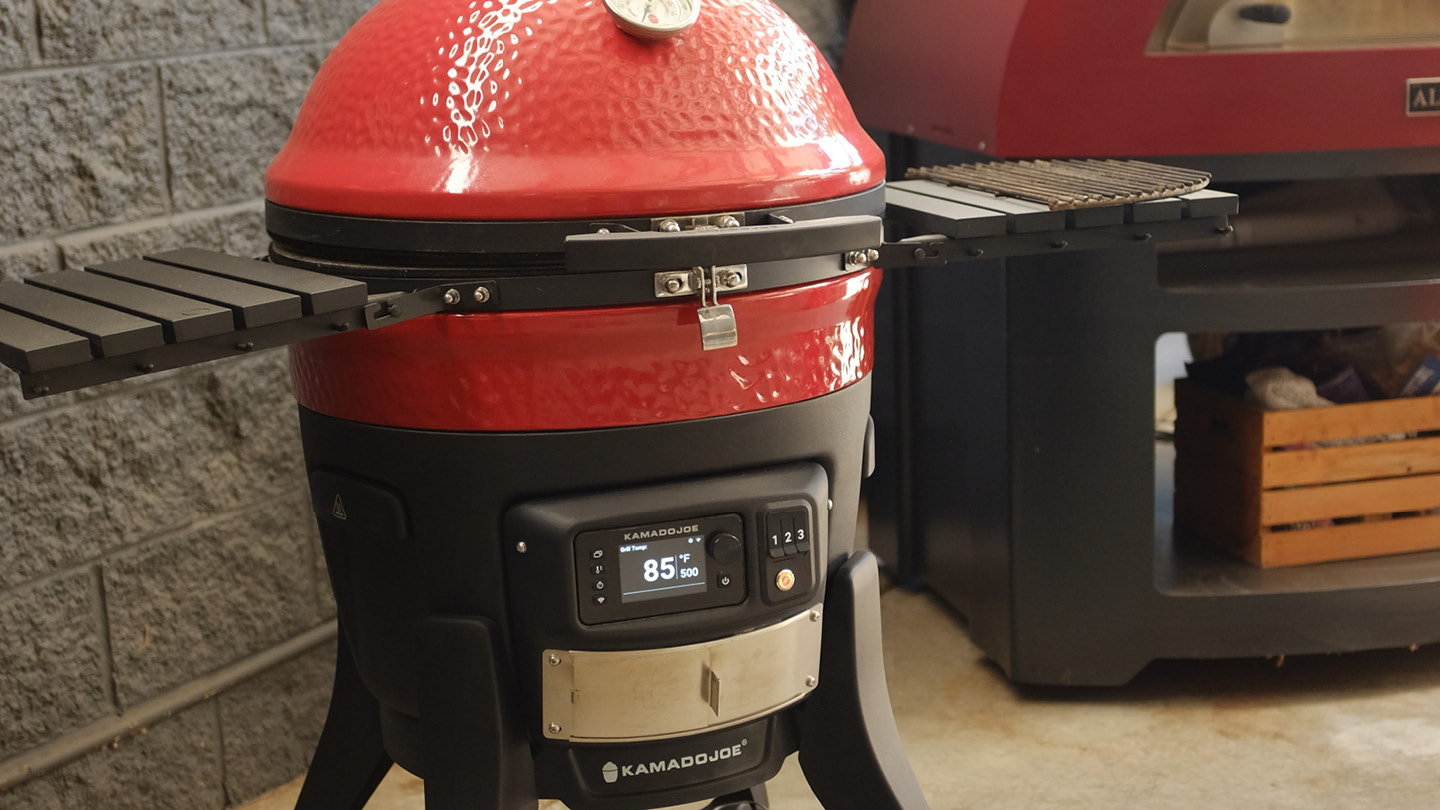
- Fire up the Kamado Joe Konnected Joe and set the temperature to 500ºF.
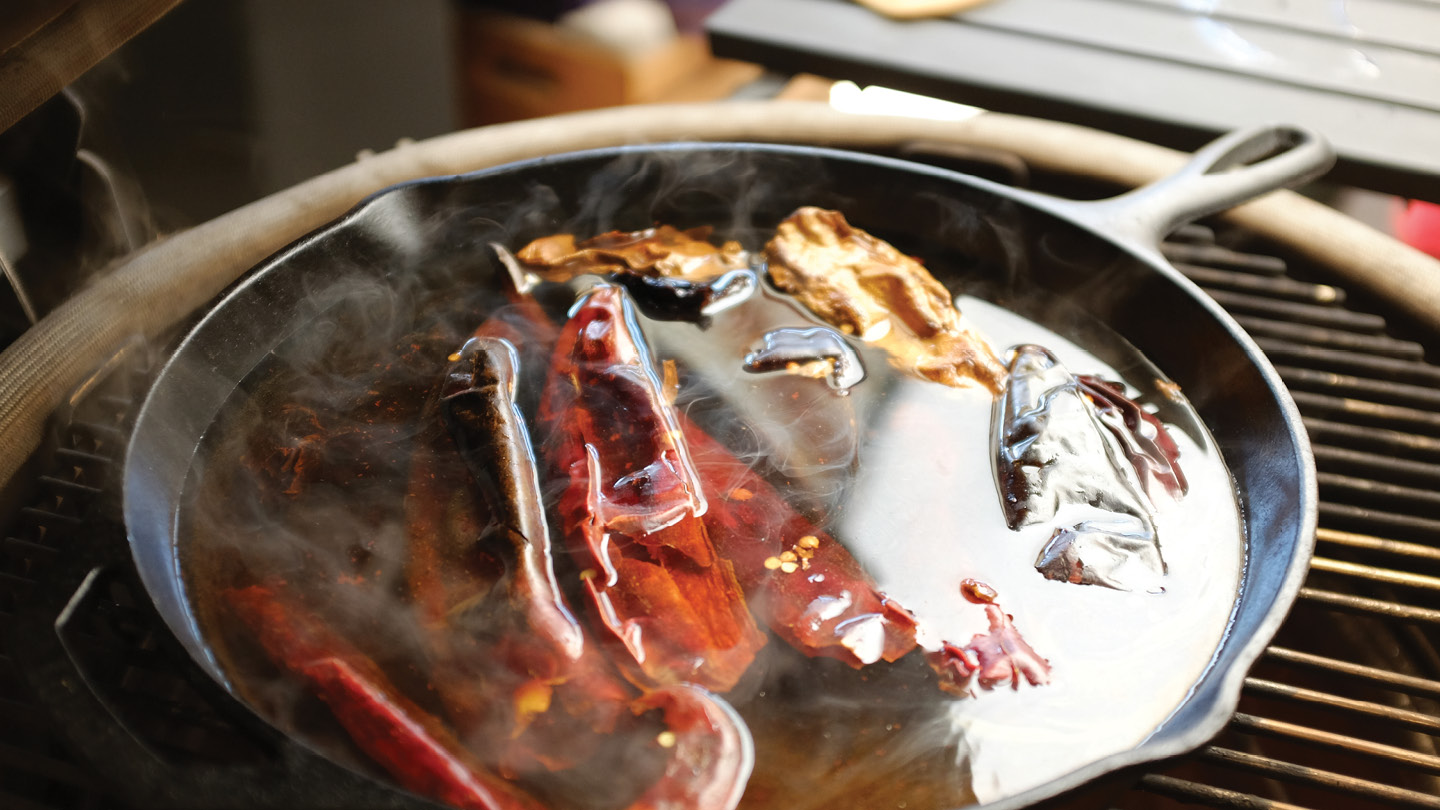
- Cut the stems off of the dried chiles and remove the seeds. Place a Lodge 12” Cast Iron Skillet on the grill and toast the chiles on each side for about 30 seconds. Fill the skillet with enough water to cover chiles. Leave the heat on until water begins to boil and then remove the skillet from the grill and let the chiles soak until soft, about 20 minutes. Once hydrated, discard the soaking water. Place the chiles in a blender along with two cups of beef stock and puree until smooth.
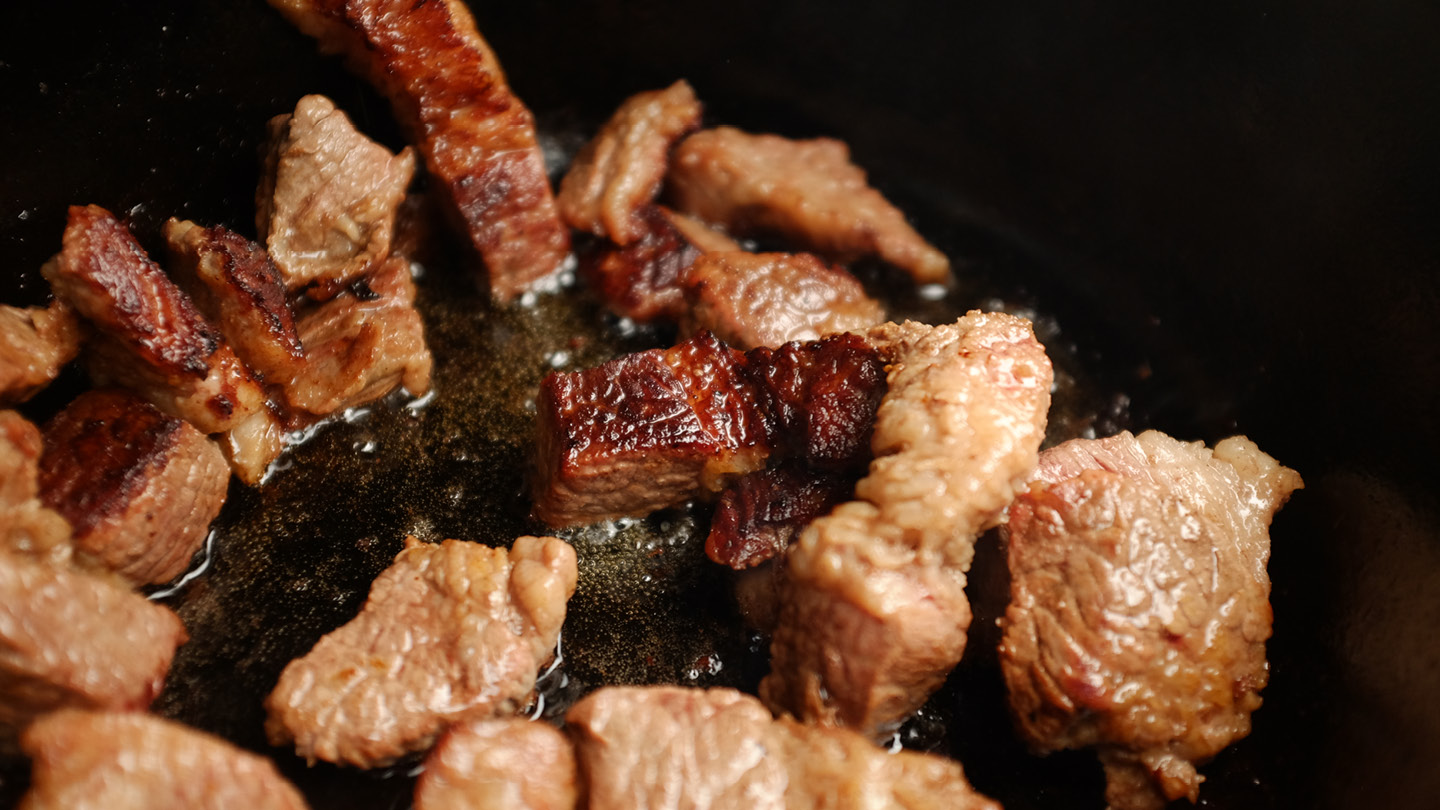
- Place a Lodge 7 Quart Dutch Oven on the grill. When it’s hot, add a little vegetable oil and brown the cubed brisket. Don’t overgrown the pan. You’ll want to work in batches. When the brisket is browned, remove it all from the dutch oven.
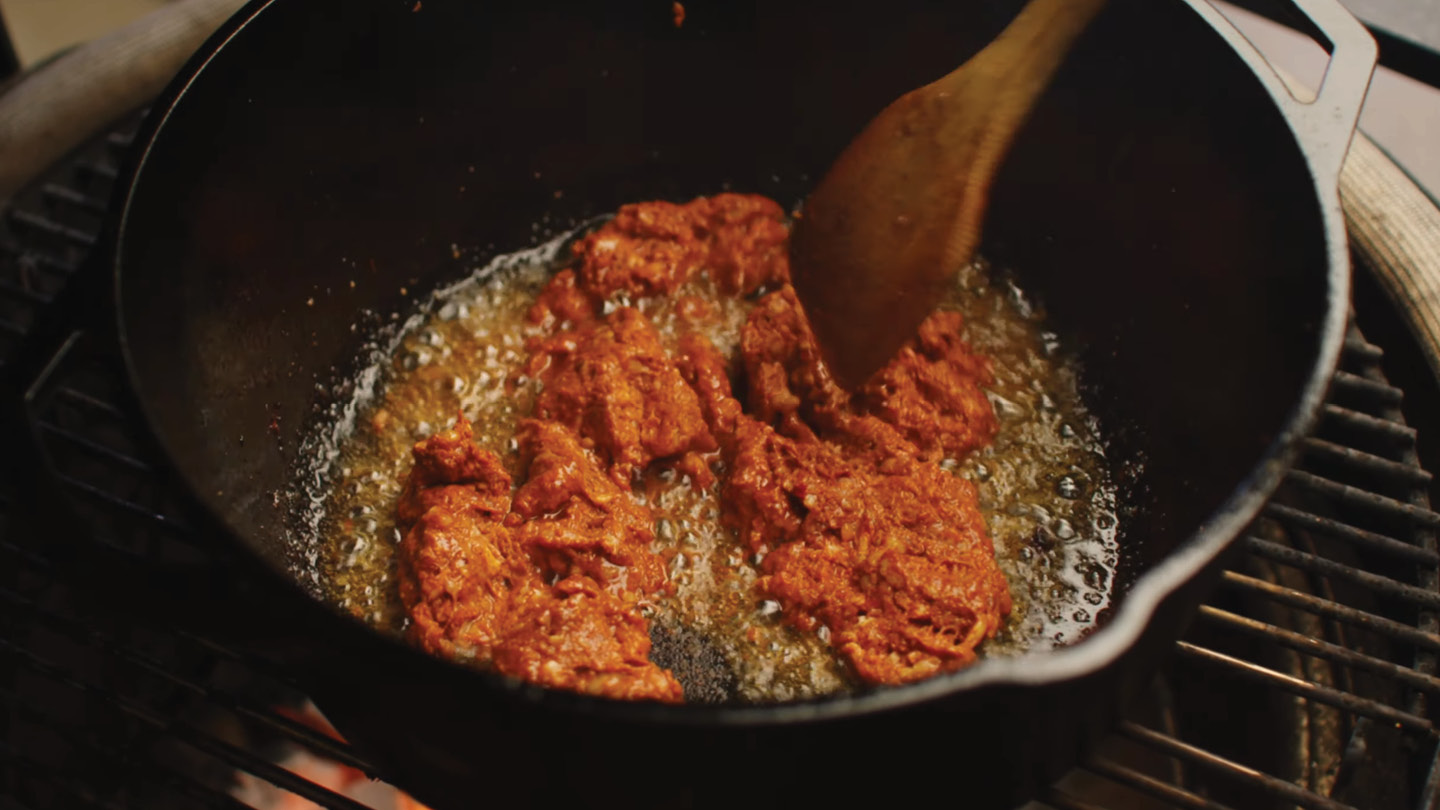
- Add the chorizo and onions to the dutch oven. Cook until the chorizo is browned and cooked through and the onions begin to soften, scraping the bottom of the dutch oven with a wooden spoon as it cooks.
- Add the garlic and tomatoes. Stir and smash the tomatoes.
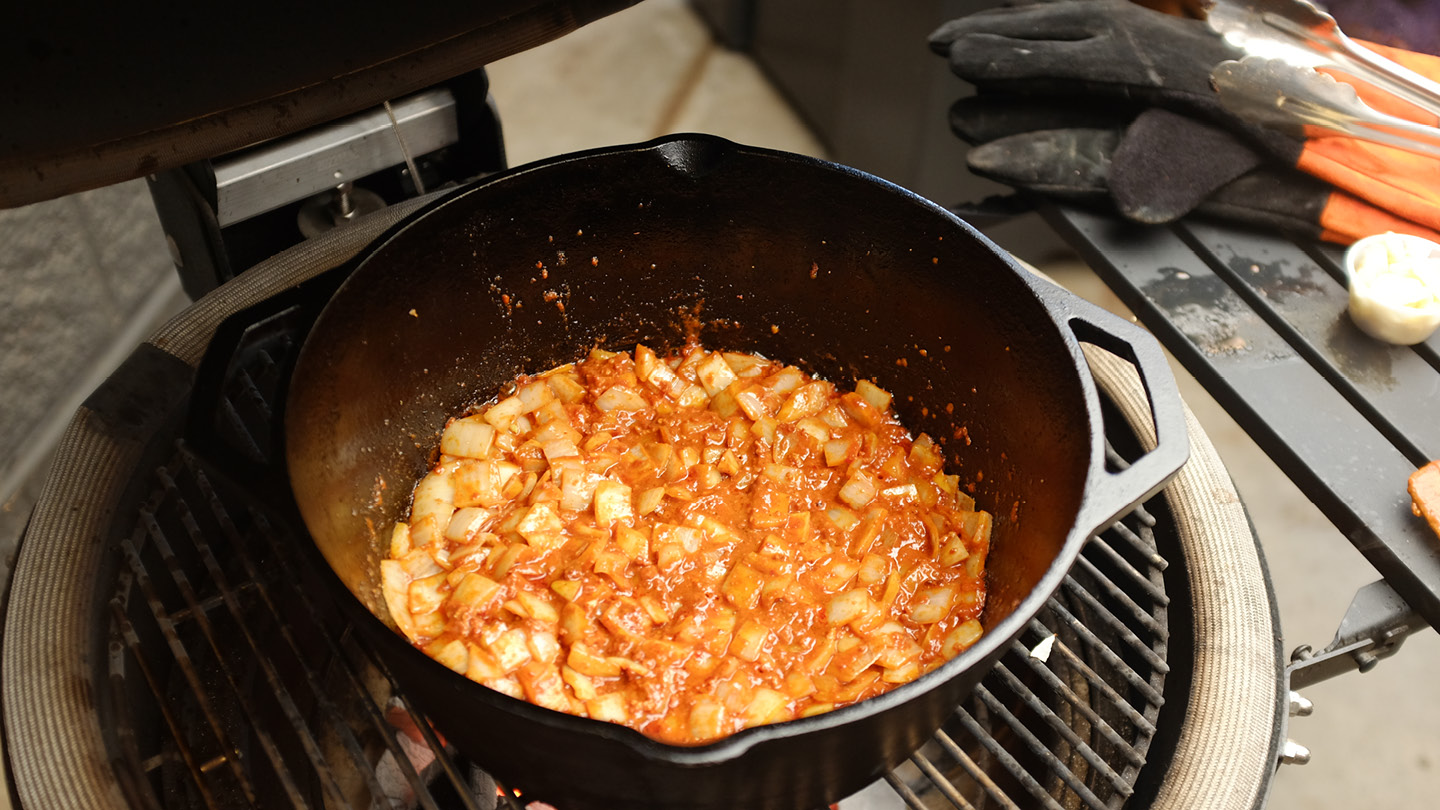
- Pour in the tomatoes, beer, broth, and chile puree, then stir in 3 tbsp Cattleman’s Grill Road House Steak & Beef Seasoning, cumin, oregano, cinnamon, allspice and bay leaf. Add the beef and any accumulated juices.
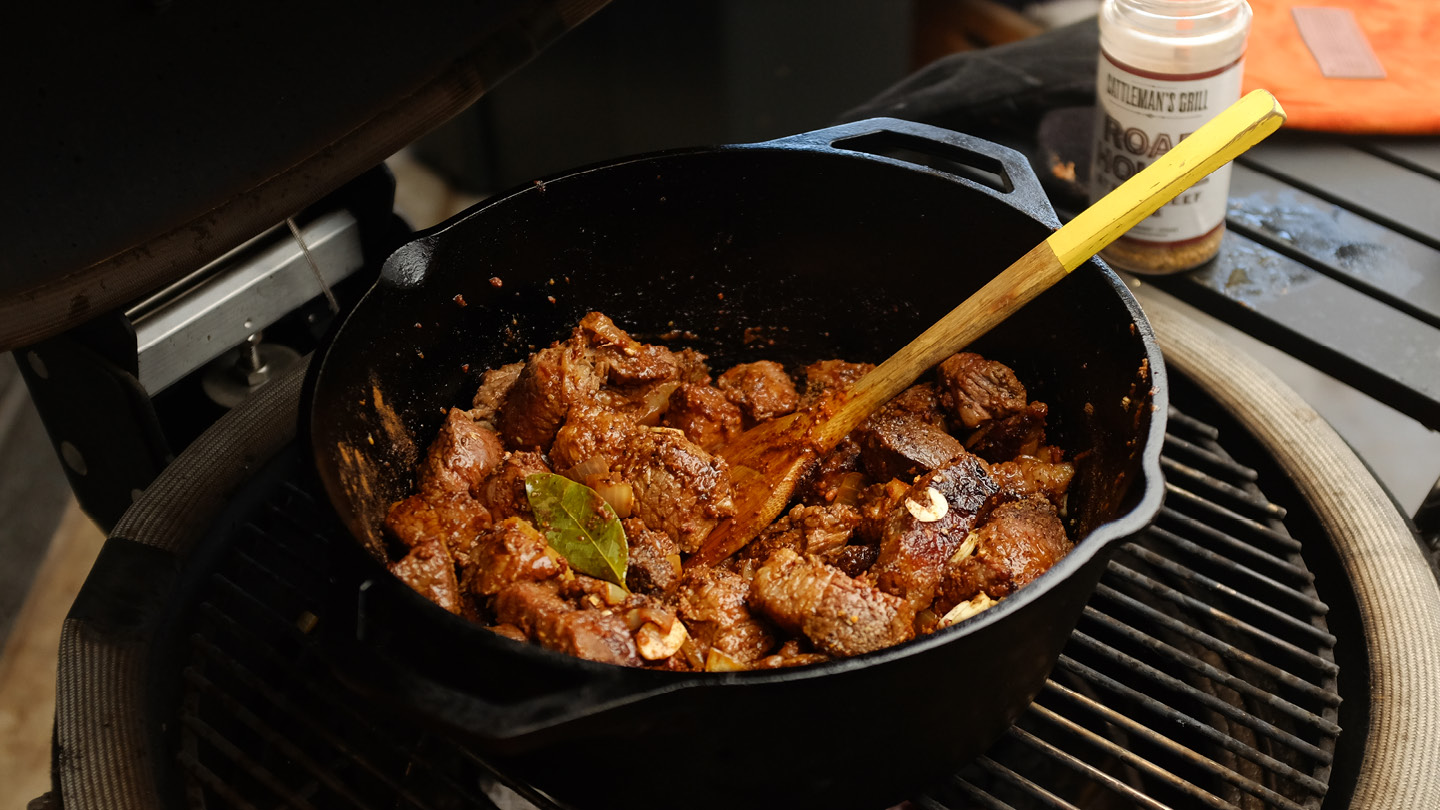
- Pour enough beer stock into the dutch oven to cover the meat about 4-6 cups.
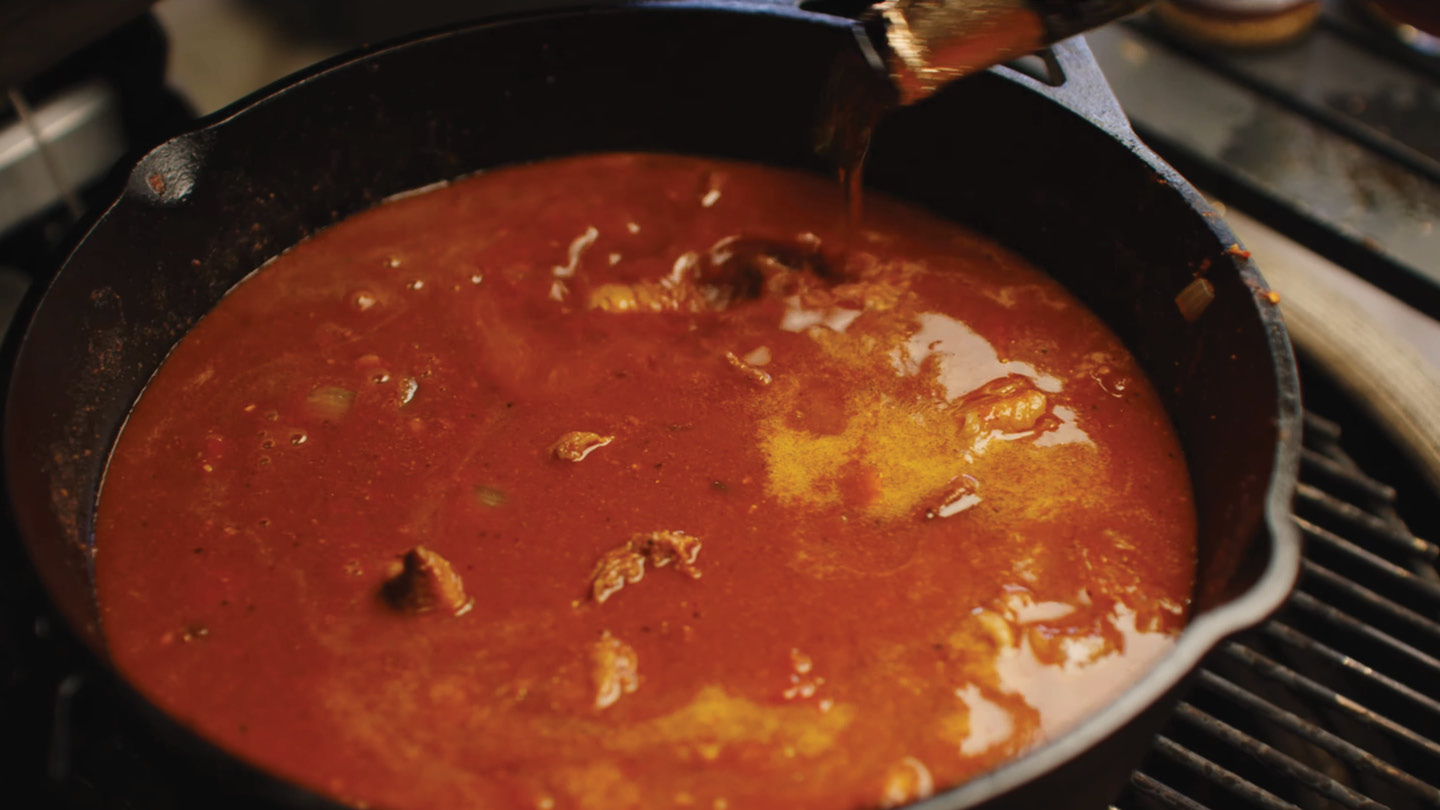
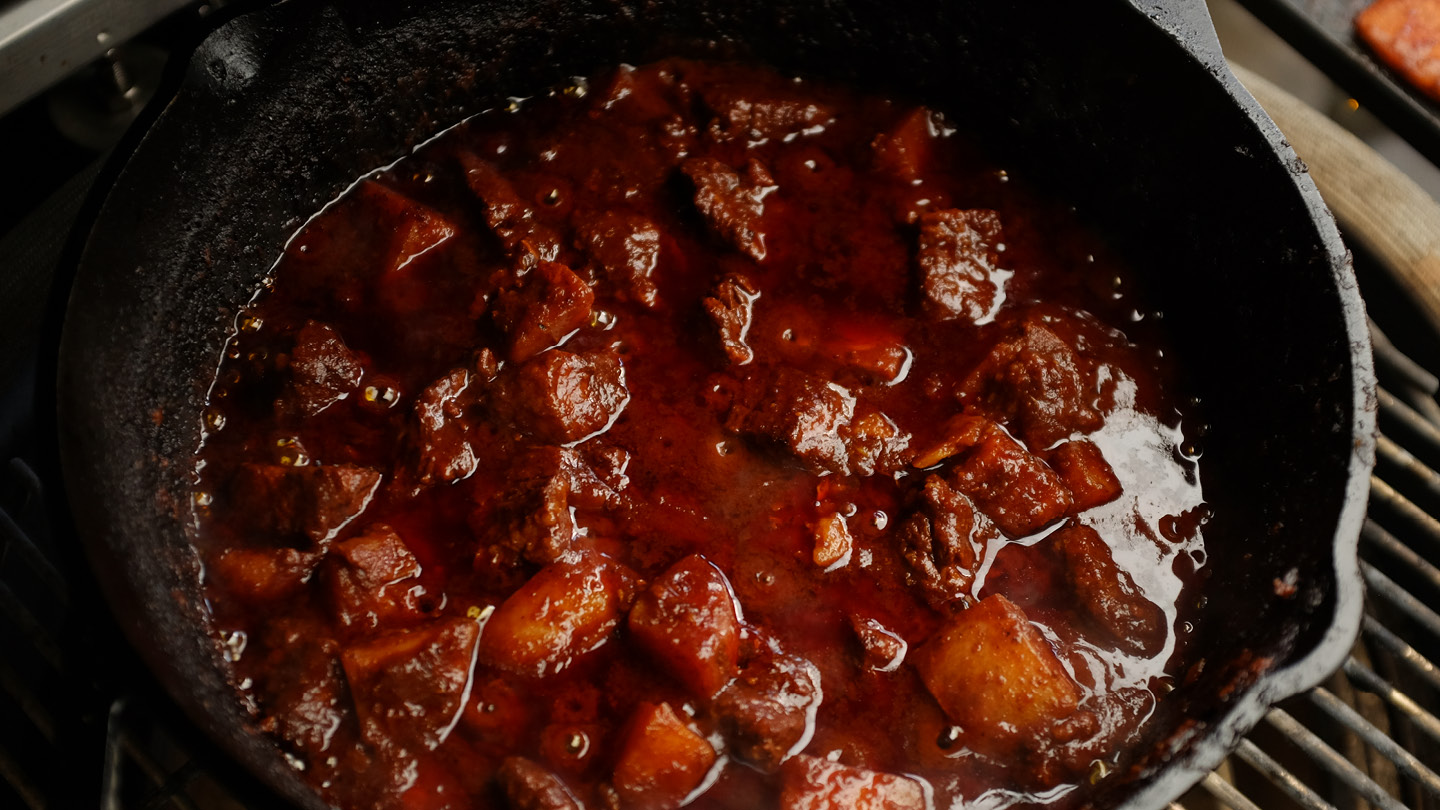
- Let the stew simmer, stirring occasionally, for 2 to 2 1/2 hours or until the beef is fork tender. Check occasionally to make sure you have enough liquid to keep everything submerged throughout the braise, adding more beef stock as needed.
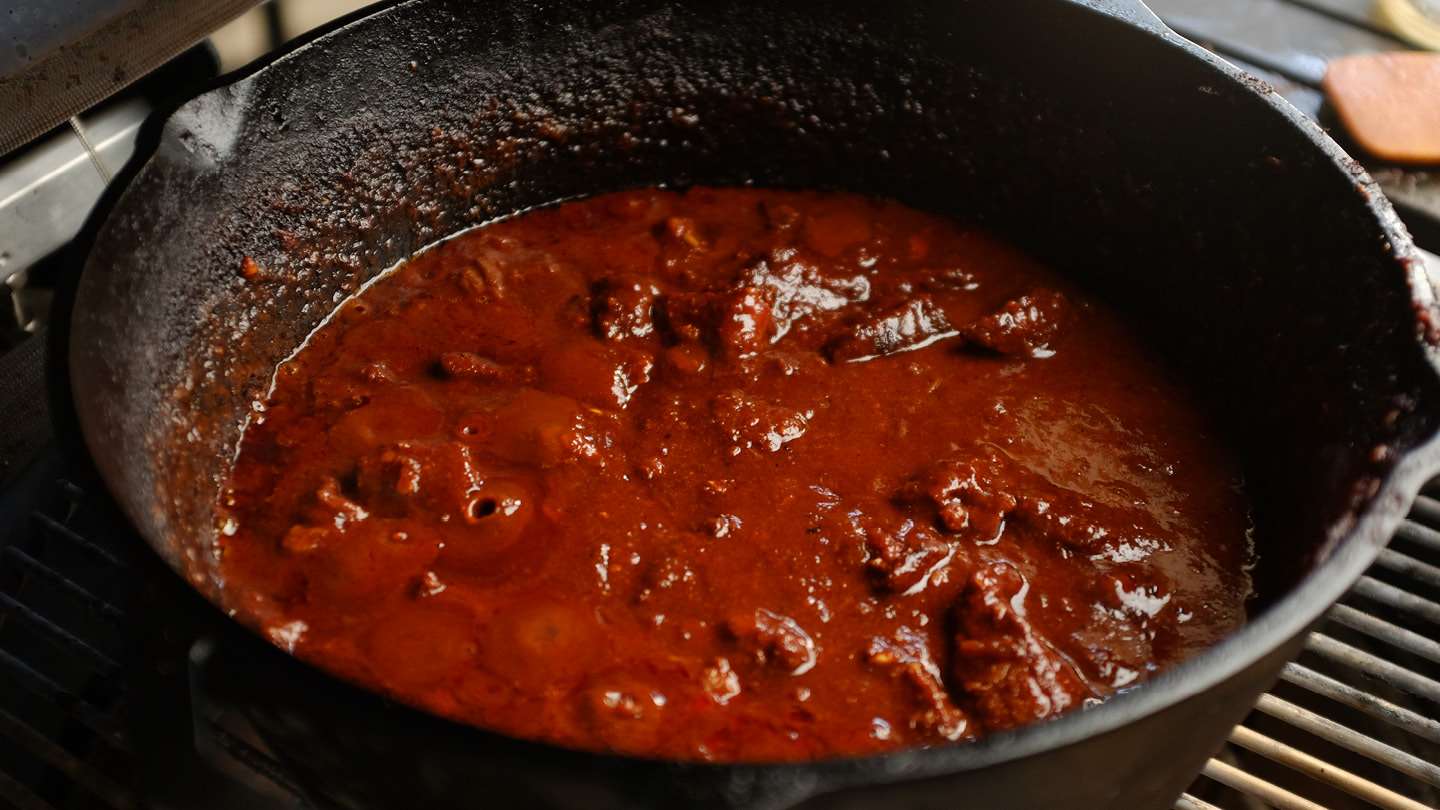
- Add the potatoes and cook for 30-45 minutes, until the potatoes are tender. Stir in the lime juice and add salt to taste.
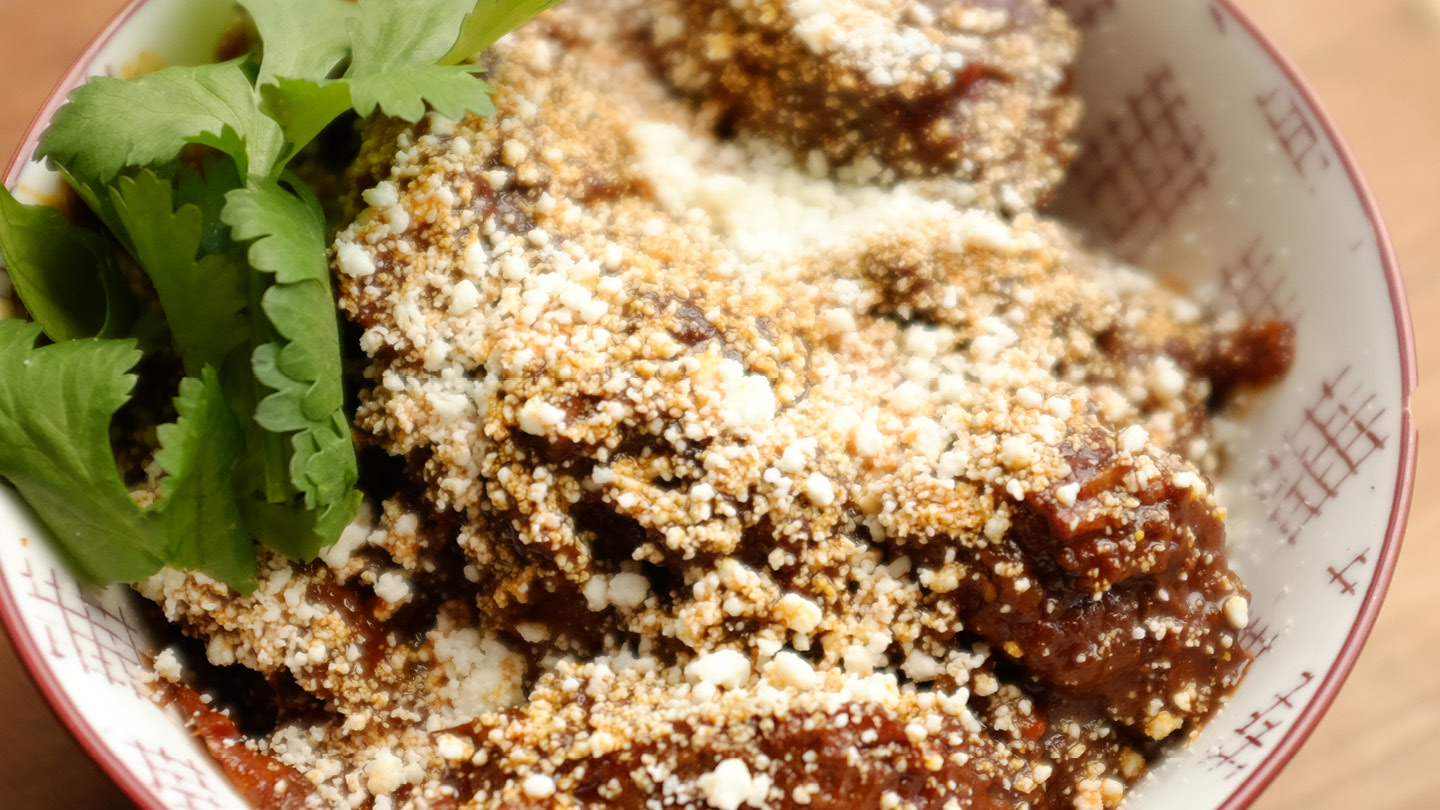
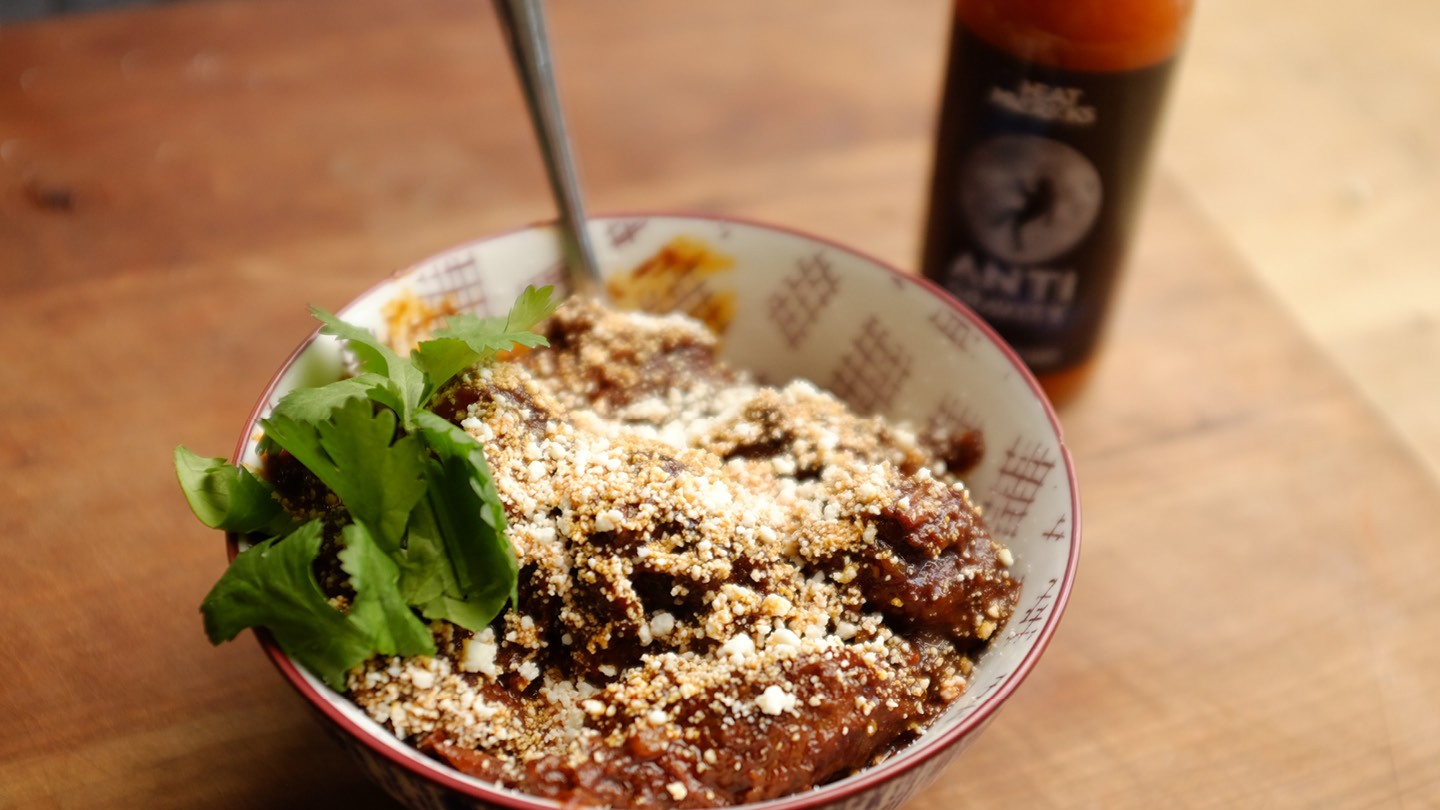
- Serve warm topped with cilantro, cotija cheese and flour tortillas.
Recipe Note
Recipe FAQ
What is Chile Colorado?
Chile Colorado is a traditional Mexican braised meat stew — the name translates roughly to "red chile" and refers to the rich red chile sauce that gives the dish its character, not the U.S. state. It originated in northern Mexico and the American Southwest, where dried red chiles — typically guajillo, ancho, and chipotle — are toasted, rehydrated, and pureed into a sauce that forms the braising liquid. Traditional versions use beef or pork; this recipe uses brisket and chorizo, which connect the Mexican technique to ATBBQ's BBQ traditions.
Why use three different dried chiles instead of one?
Each chile contributes a distinct flavor profile to the sauce. Guajillo is fruity, slightly tangy, and moderately spicy — it provides the sauce's brightness. Ancho (dried poblano) is earthy, rich, and mildly sweet — it provides body and depth. Chipotle is smoky and spicy — it connects the stew to the BBQ tradition and adds heat. Using all three produces a layered, complex sauce that no single chile could achieve alone.
Why toast the dried chiles before rehydrating?
Direction Step 2 toasts the chiles 30 seconds per side in the cast iron skillet before adding water. Toasting drives off the musty, dusty flavor that dried chiles accumulate in storage, and activates the fat-soluble essential oils in the chile's flesh. The result is a more aromatic, more complex chile puree than untoasted chiles produce. Be careful not to over-toast — burnt chiles turn bitter and will ruin the sauce.
Why braise in the Dutch oven on the grill rather than the stovetop?
The Kamado Joe's ceramic construction maintains a steady, even heat environment around the Dutch oven during the 2–2.5 hour braise, with gentle ambient heat that a stovetop can't fully replicate. The ceramic also retains moisture in the cooking environment, reducing evaporation and keeping the braise more consistent. A stovetop Dutch oven works well (4/5 indoor rating) — use the lowest steady simmer your burner can maintain.
Can I use leftover smoked brisket instead of raw brisket?
Yes — leftover smoked brisket is excellent in this recipe and adds another layer of smoke to the chile sauce. Reduce the initial browning step (Direction Step 3) to just a brief sear for color since the brisket is already cooked. Also reduce the total braise time to 45–60 minutes since the brisket only needs to absorb the chile sauce, not cook through from raw. The smoked brisket's rendered fat will also enrich the braising liquid significantly.
Can I make this indoors?
4 out of 5 — Great in the kitchen, better on the grill. A Lodge 7-Quart Dutch Oven on the stovetop over low-medium heat produces nearly identical results. Toast the chiles in the dry skillet on the stovetop. Keep the braise at a gentle simmer — barely bubbling — for 2–2.5 hours. What you lose is the Kamado Joe's ceramic heat retention character during the long braise.
Recipe Highlights
Brown the brisket in batches — don't skip this step: Direction Step 3 warns not to overcrowd the pan. Overcrowding causes the meat to steam rather than sear, producing gray, unevenly textured beef rather than the browned, caramelized exterior that adds depth to the braising liquid. Work in 2–3 batches, leaving space between cubes, and let each batch sit undisturbed for 2 minutes before turning.
Toast the chiles just until fragrant — not until darkened: Direction Step 2 specifies about 30 seconds per side. The target is aromatic and slightly pliable — you'll smell the chile's essential oils activate. If the chiles begin to smoke or develop dark spots, they're burning and will contribute bitterness to the sauce. Use medium heat and watch continuously; 30 seconds per side is the maximum.
Keep the braise at a gentle simmer — not a boil: Direction Step 8 specifies simmering for 2 to 2.5 hours. A rolling boil toughens the brisket cubes and causes the braising liquid to reduce too quickly. A gentle simmer — barely moving at the surface — allows the collagen in the brisket to convert to gelatin slowly, producing the silky, pull-apart texture that defines a well-braised stew. If the liquid is reducing faster than the beef is softening, add beef stock and lower the heat.
Add the potatoes in the last 30–45 minutes only: Direction Step 9 adds the potatoes at the end. Potatoes added at the start of the braise will disintegrate into the sauce during the 2+ hour cook — not wrong, but they become thickener rather than a textural element. Added late, they absorb the deeply flavored braising liquid while holding their shape, providing a contrast to the tender pulled brisket in every bowl.
Recommended Recipes
Nutrition
Nutrition
- Nutrition Serving Size
- 4 oz
- per serving
- Calories
- 420
- Fat
- 17 grams
- 22%
- Saturated Fat
- 3 grams
- 15%
- Cholesterol
- 17 milligrams
- 6%
- Sodium
- 769 milligrams
- 33%
- Carbs
- 23 grams
- 8%
- Fiber
- 4 grams
- 16%
- Sugar
- 4 grams
- Protein
- 41 grams


