Recipe Note
Recipe FAQ
Why soak the cashews in vegetable broth instead of water?
Soaking cashews in vegetable broth serves two functions simultaneously. The 6-hour soak softens the cashews to the point where they blend completely smooth without any graininess — raw cashews blended without soaking produce a chunky, fibrous result even in a high-powered blender. Simultaneously, the cashews absorb the flavor compounds from the vegetable broth during the soak, seasoning them from the inside before they're blended. The broth also contributes to the sauce's savory depth — water-soaked cashews produce a blander result that requires more seasoning to compensate.
Why add pasta water back into the finished dish?
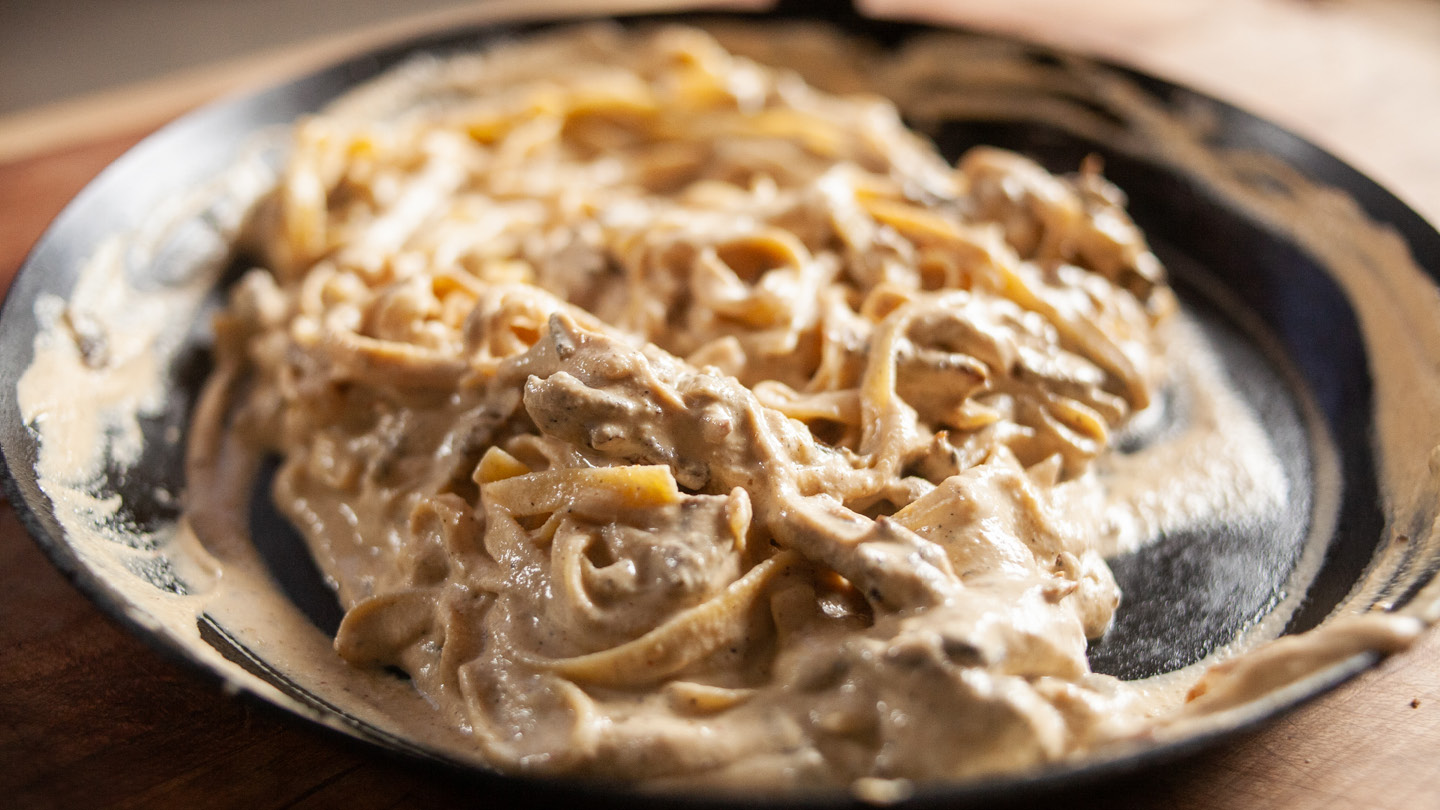
Pasta cooking water contains dissolved starch released from the pasta during boiling. This starchy water serves three purposes: it thickens the cashew Alfredo sauce naturally without adding flour or cream; it helps emulsify the olive oil in the sauce with the water-based cashew mixture, creating a cohesive coating rather than a separated sauce; and it's already salted from the pasta cooking step, adding seasoning without over-salting. Add the reserved pasta water gradually until the sauce coats the pasta smoothly — it should flow easily but cling to each strand.
What mushrooms work best if blue oyster mushrooms aren't available?
Blue oyster mushrooms are ideal because they tear into thin, even strips that smoke and sauté uniformly, and their mild, slightly sweet flavor takes smoke character well. King oyster mushrooms are the best substitute — slice into thick planks and tear slightly for similar texture. Cremini or shiitake also work but have stronger baseline flavors that compete somewhat with the smoke. Avoid button mushrooms, which have a high water content and produce a soft, watery result at high heat rather than a browned, meaty texture.
Can I use a regular blender instead of a Vitamix?
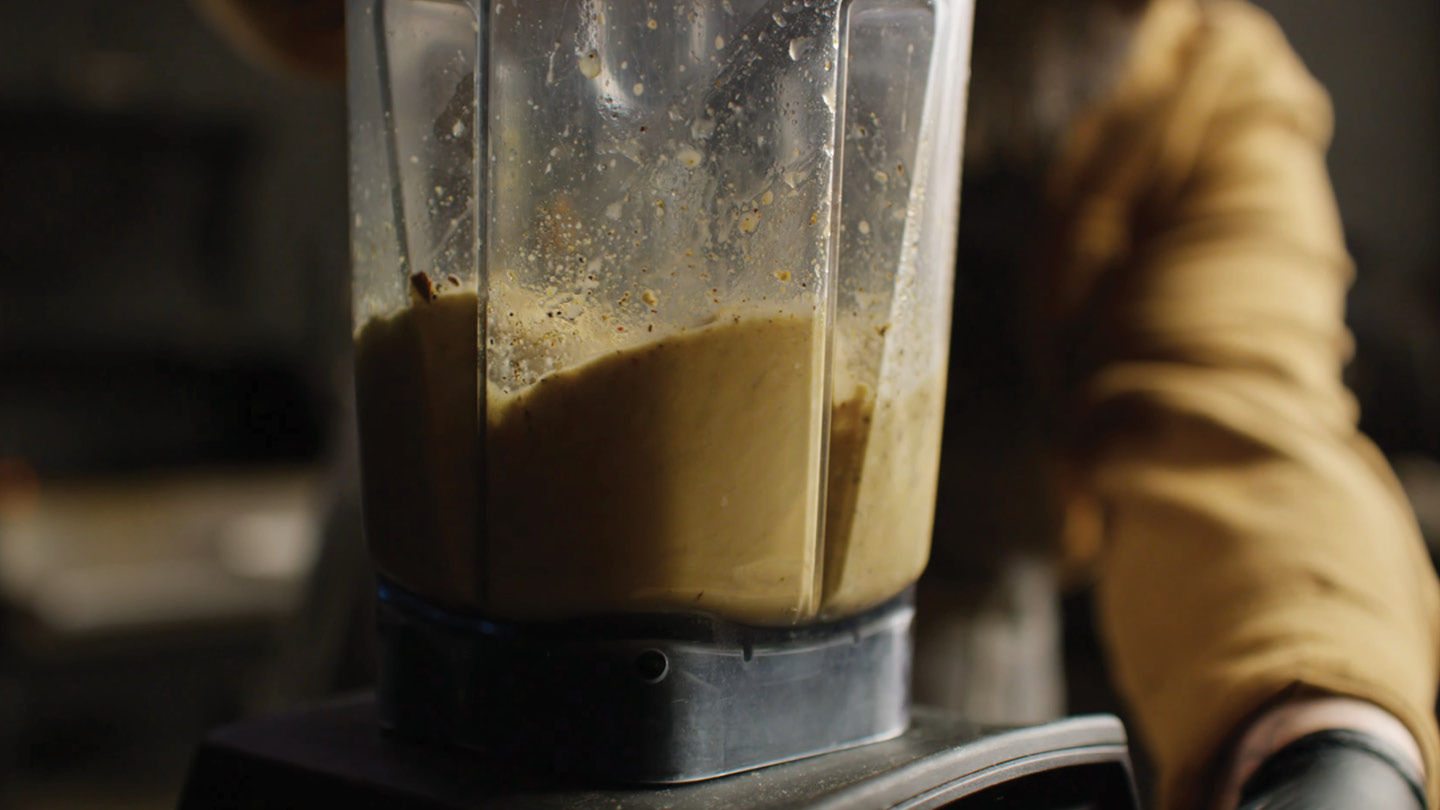
A high-powered blender is required for a fully smooth cashew Alfredo. Standard countertop blenders typically lack the speed to break down soaked cashews into a completely lump-free sauce. If unavailable, a food processor run for 4–5 minutes (scraping down sides every minute) can approximate the result, though the texture may be slightly less smooth. Let the soaked cashews drain completely before blending, and add the vegetable broth gradually to control consistency.
What wood pellets work best for smoking mushrooms?
Lighter, fruitier woods work best. Cherry and apple produce a mild, sweet smoke that complements the earthy mushroom flavor without overwhelming it. The recipe specifies hickory, which works well but produces a more assertive smoke — substitute apple or cherry for a subtler result. Avoid mesquite; its sharp, heavy smoke character overwhelms the delicate cashew sauce.
Can I make this indoors?
3 out of 5 — Works indoors with adjustments. The cashew Alfredo, pasta, and mushroom sauté are all entirely stovetop-compatible. What you lose is the cold-smoke phase, which requires the A-MAZE-N Tube Smoker setup on an unlit grill. To approximate indoors: toss the torn mushrooms in a small amount of liquid smoke (½ tsp maximum) before sautéing. The result produces a smoky flavor note, though less nuanced than 1–2 hours of actual cold smoke.
Recipe Highlights
Start the cashew soak at least 6 hours before you plan to cook — ideally overnight: Direction Step 1 specifies at least 6 hours. Under-soaked cashews blend into a gritty sauce with visible texture rather than the completely smooth emulsion the recipe requires. Starting the soak the night before is the most reliable approach — it also means the cold-smoke phase and the soak can run simultaneously without timing pressure.
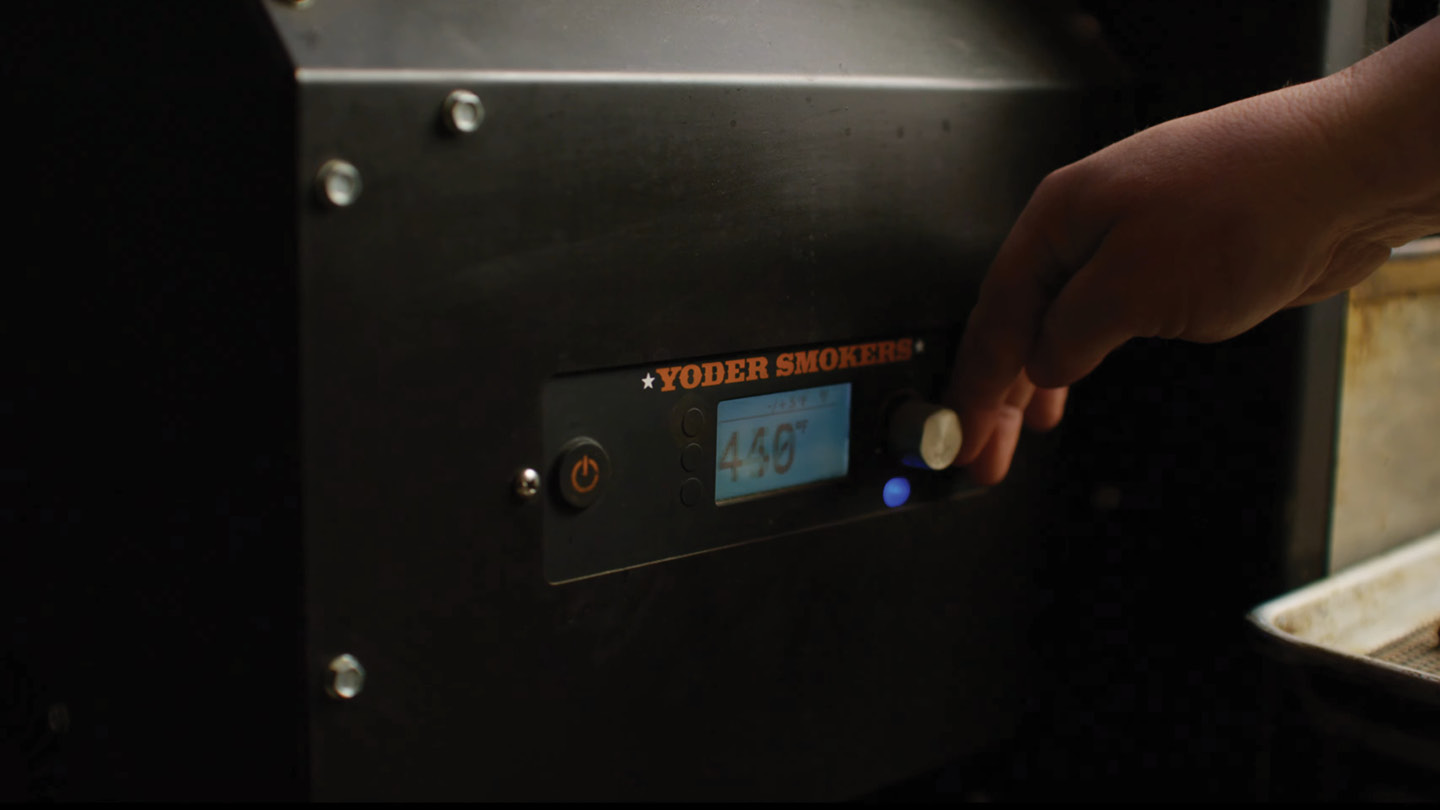
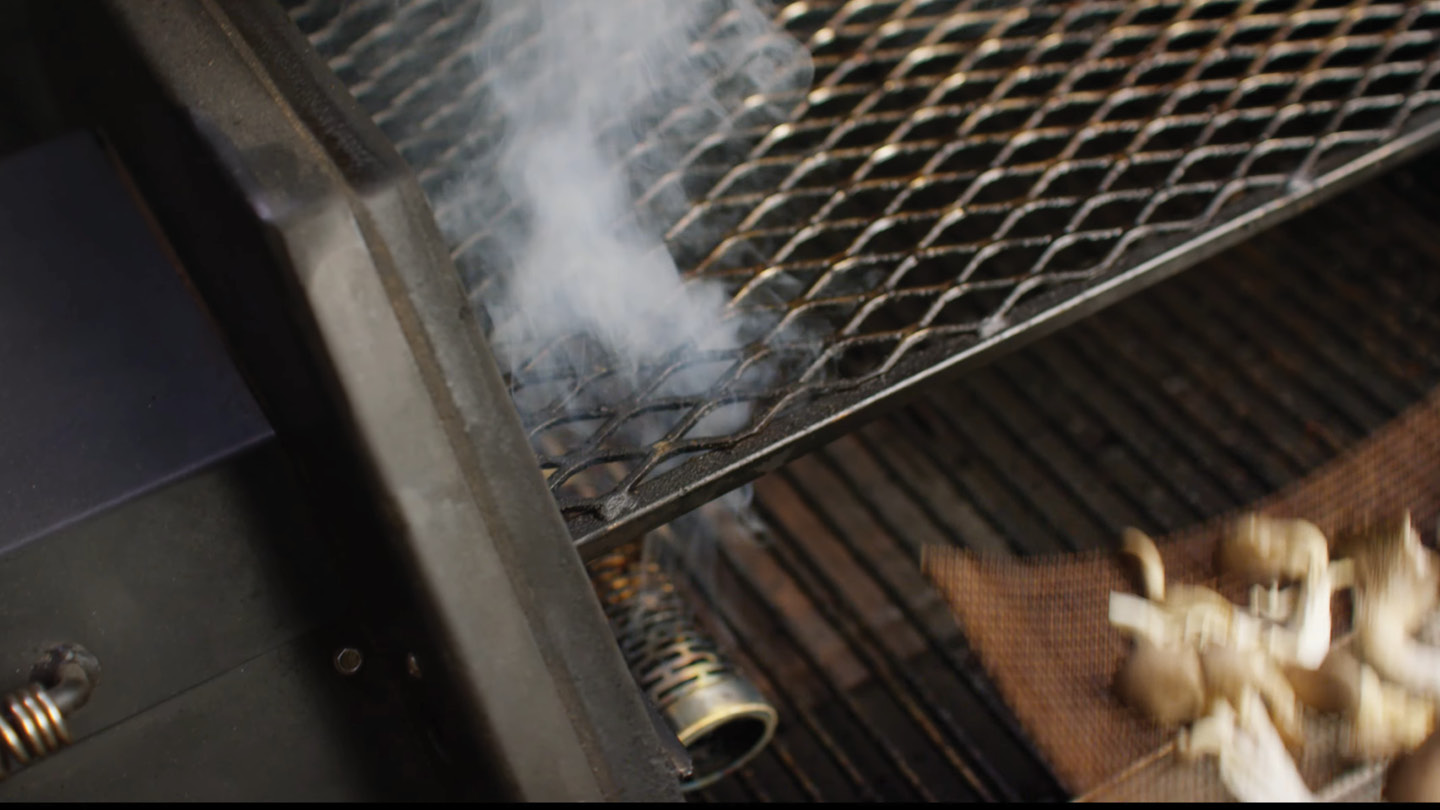
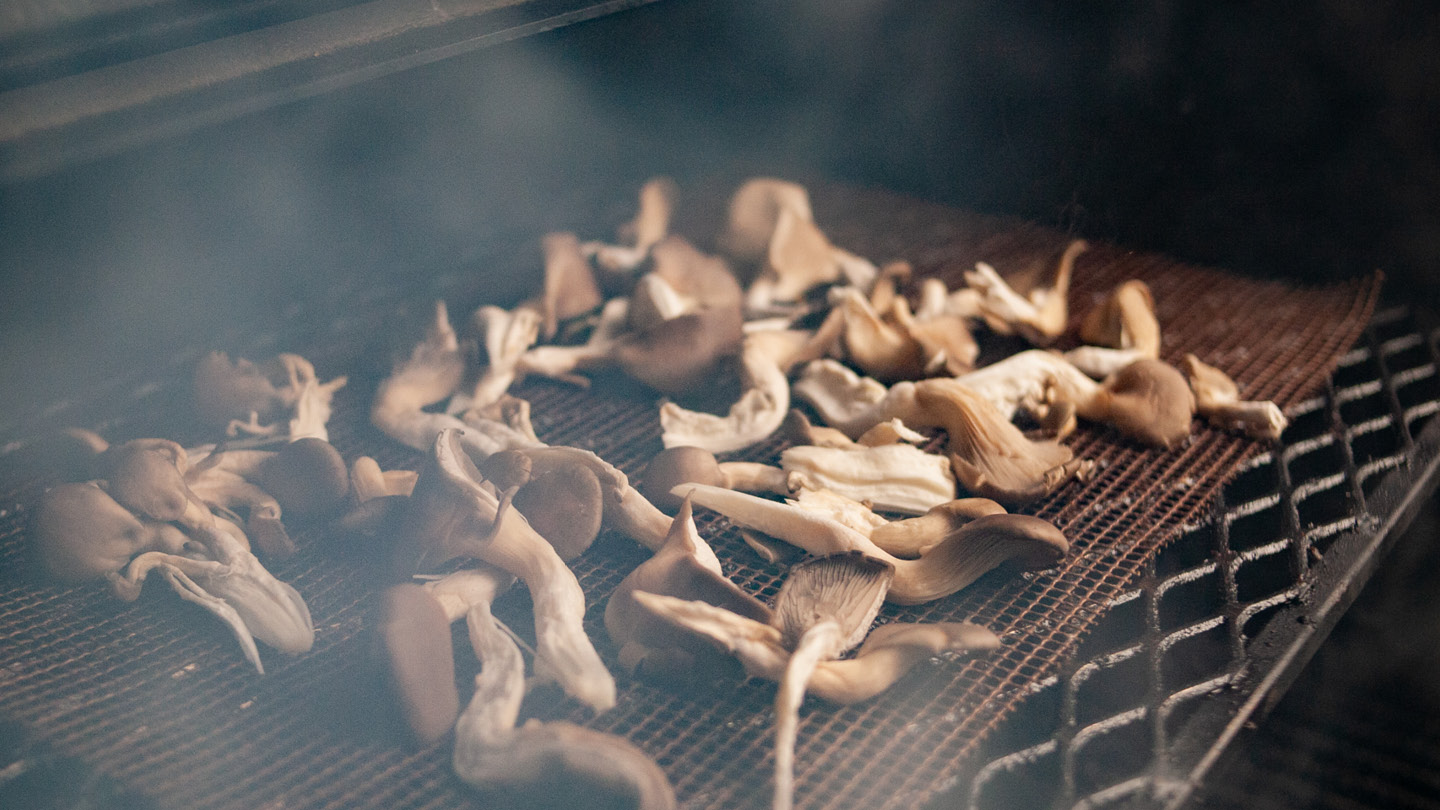
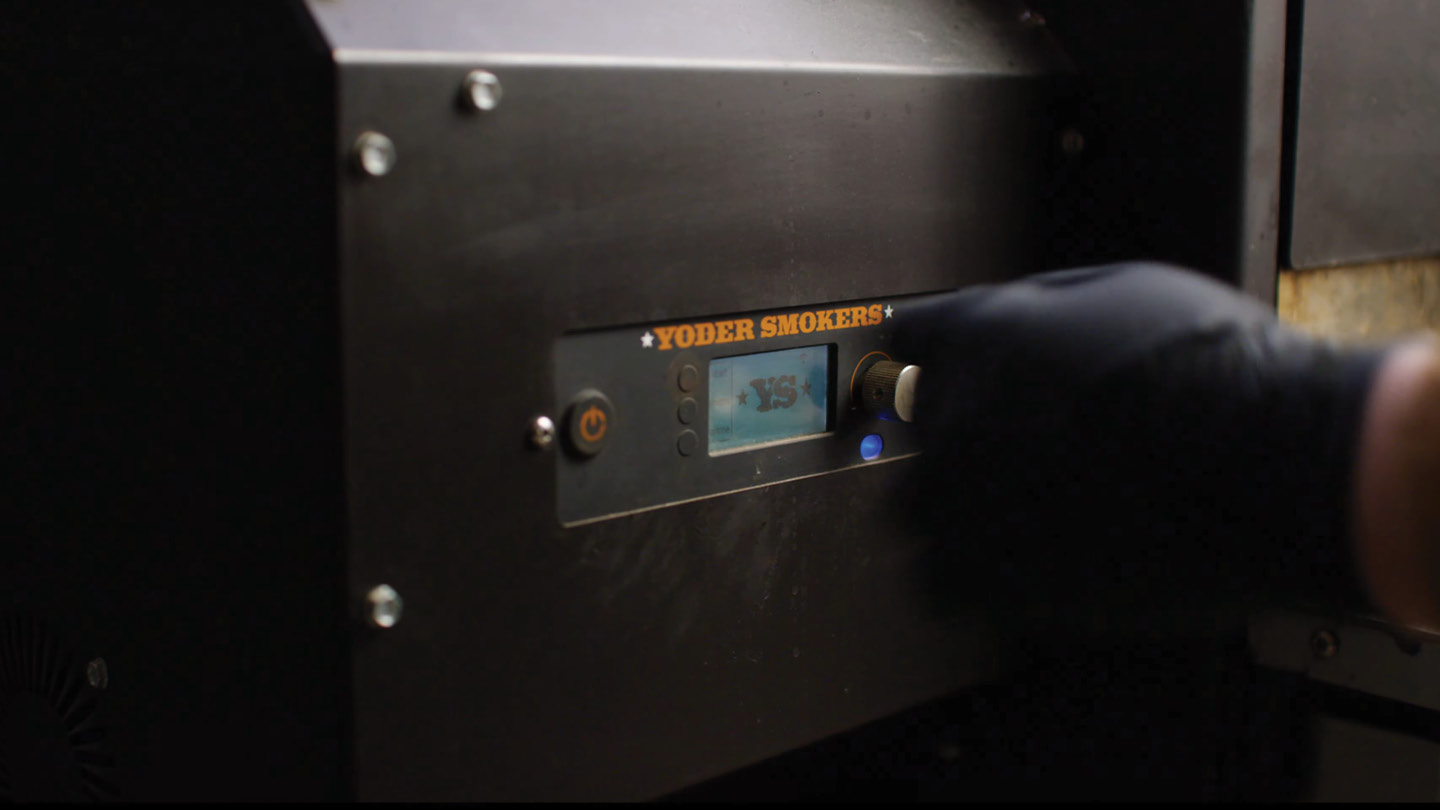
Cold-smoke the mushrooms without igniting the grill — fans only: Directions Steps 2–4 are specific: turn on the grill but do not ignite it. The YS640s fans circulate the cold smoke from the A-MAZE-N tube throughout the chamber without generating heat. After 1–2 hours, the mushrooms should smell noticeably smoky but remain completely raw and firm — they sauté from raw in Step 6.
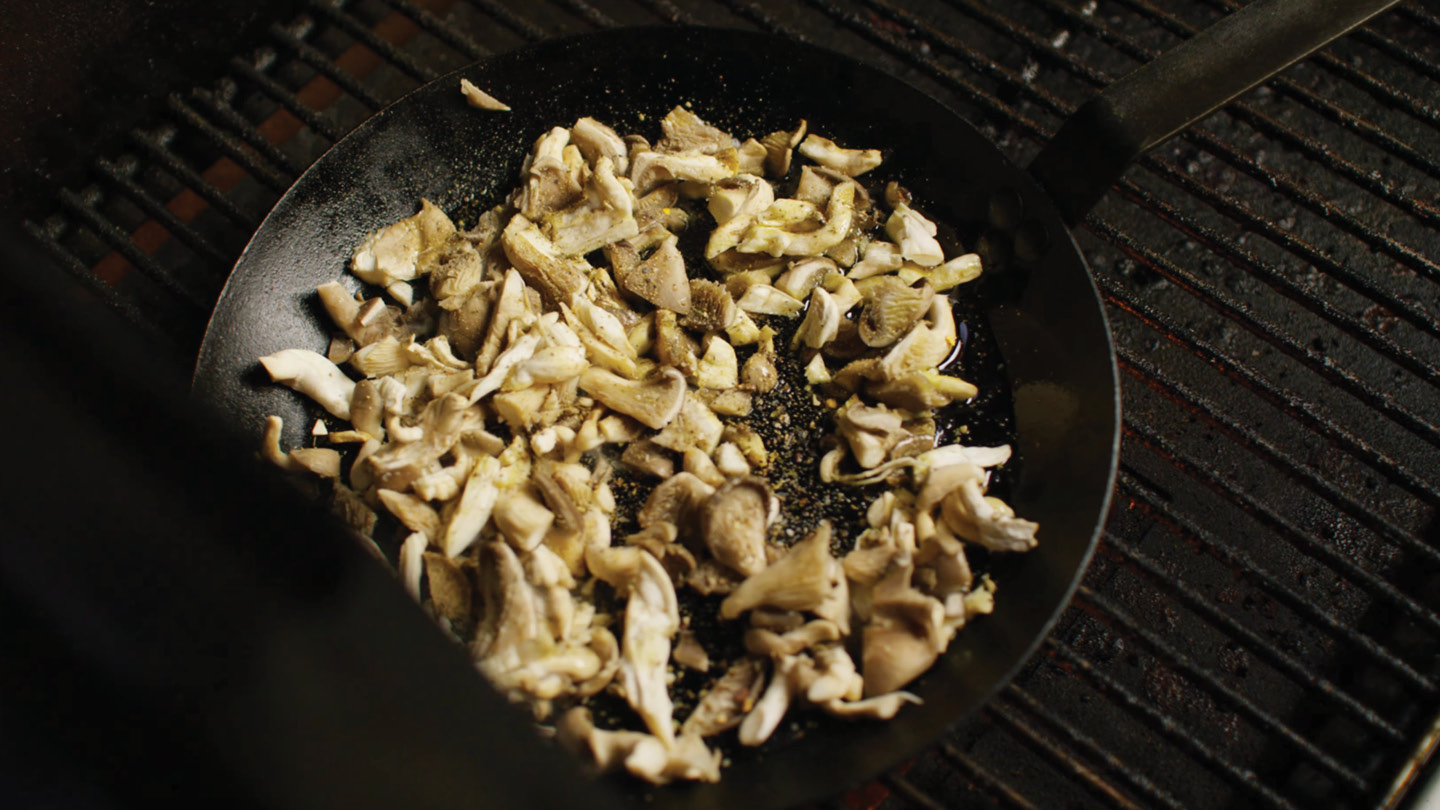
Sauté the smoked mushrooms directly over the fire at 450°F — not in the indirect zone: Direction Step 6 specifies the Lodge 12" Steel Skillet placed directly over the fire. At 450°F over direct flame, the mushrooms caramelize rapidly and develop the browned, slightly crispy edges that provide textural contrast to the creamy Alfredo. In the indirect zone or at lower temperatures, the mushrooms steam rather than sear, producing a soft texture that gets lost in the sauce. This step requires the VDD damper adjustment for direct-flame access on the YS640s.
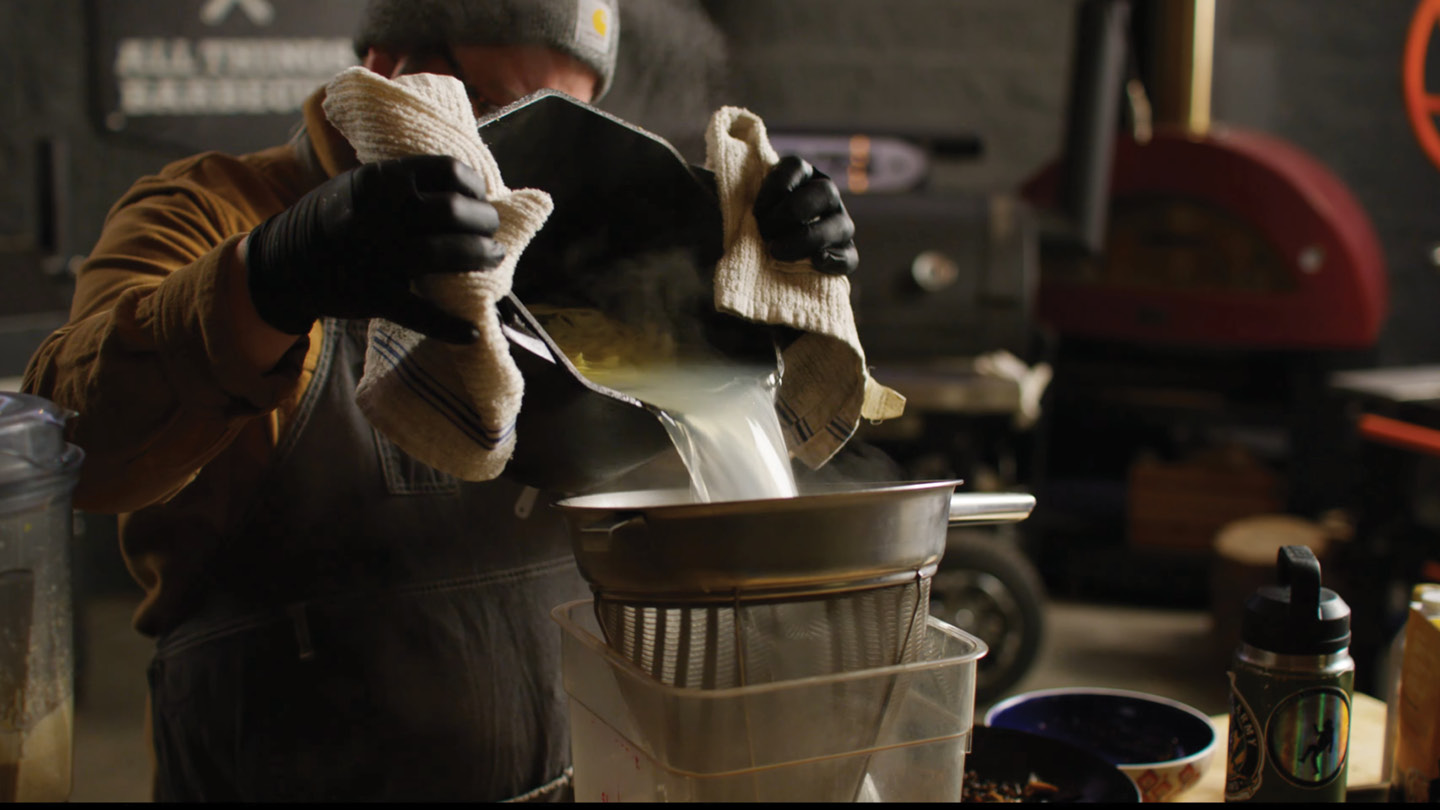
Reserve pasta water before draining — not after: Direction Step 9 specifies reserving one cup of pasta water. Once you drain the pasta, the starchy water is gone. Set a measuring cup next to the Dutch oven before draining, scoop out at least one cup, then drain. The reserved water thickens the sauce and adjusts consistency in Step 10 — without it, the cashew Alfredo will be too thick to coat the pasta evenly.
Recommended Recipes