

Bright, zesty, and layered with sophisticated smoke, Smoked Lemon Pepper is not your ordinary pepper blend. Chef Tom marries the citrus pop of lemon zest with the bold bite of Tellicherry peppercorns, plus a hit of black garlic sea salt, then cold-smokes those components over time to build depth and aroma.
What You’ll Love
- Citrus meets smoke: Real lemon zest dried and smoked delivers vivid lemon flavor, not just lemon powder
- Elegant pepperiness: Tellicherry pepper gives complexity over ordinary black pepper
- Umami punch: Black garlic sea salt brings mellow, savory undertones
- DIY customization: Make it your own—fine, coarse, salt-forward or mellow
- Shelf-stable & potent: A long-lasting blend that elevates basic proteins in one shake
Smoked Lemon Pepper
Tom Jackson
Rated 5.0 stars by 1 users
Category
Condiments
Cuisine
American
Servings
14
Prep Time
5 minutes
Cook Time
90 minutes
Calories
49
This artisanal seasoning is versatile — perfect for meats, fish, vegetables, or even finishing popcorn. Once you taste that smoky, citrusy sharpness, you'll keep a jar within reach for all your grill sessions.
Directions
- Preheat your Yoder Smokers YS640S Pellet Grill to 225ºF.
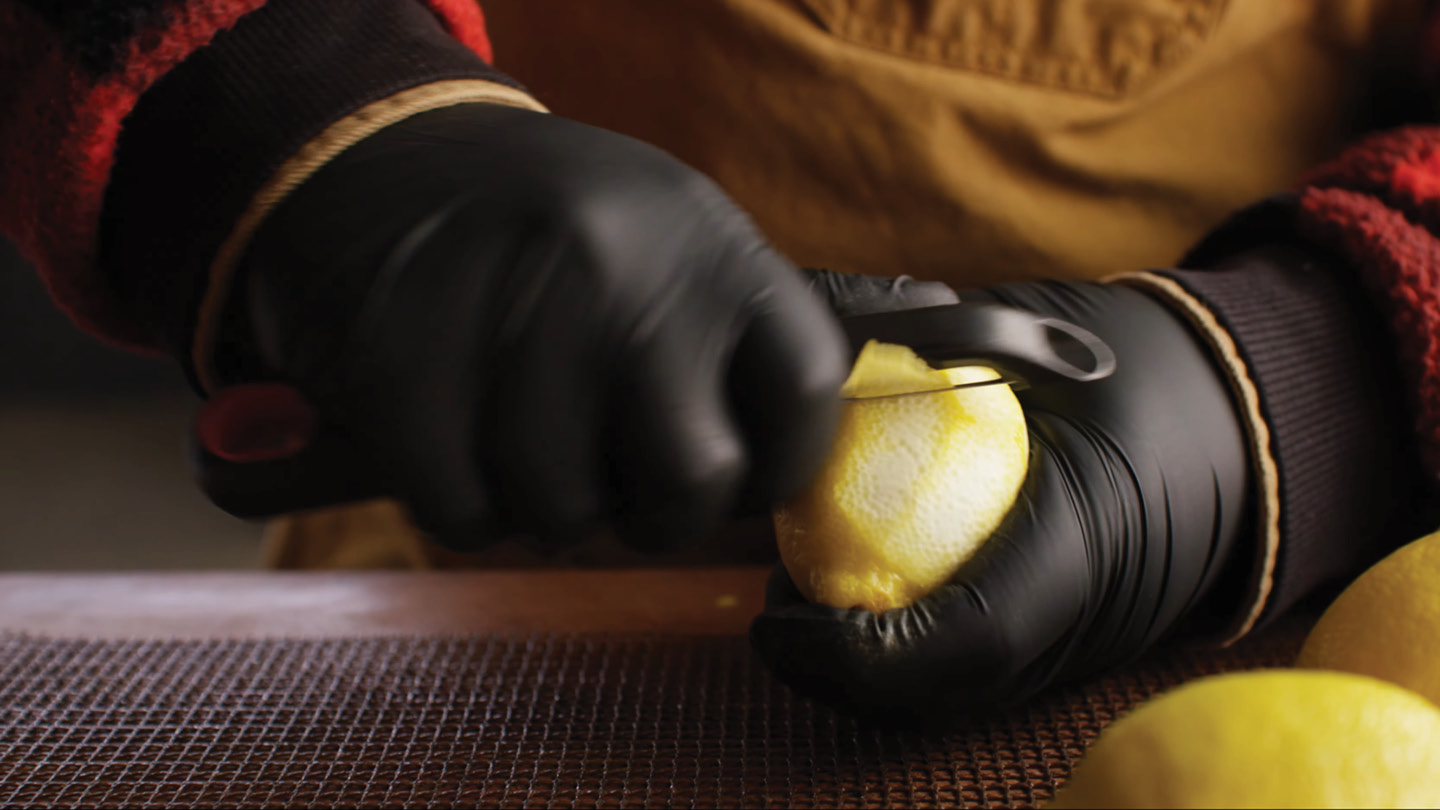
- Using a peeler, remove the zest from the lemons in strips. Place on a frogmat. Transfer to the second shelf of the grill.
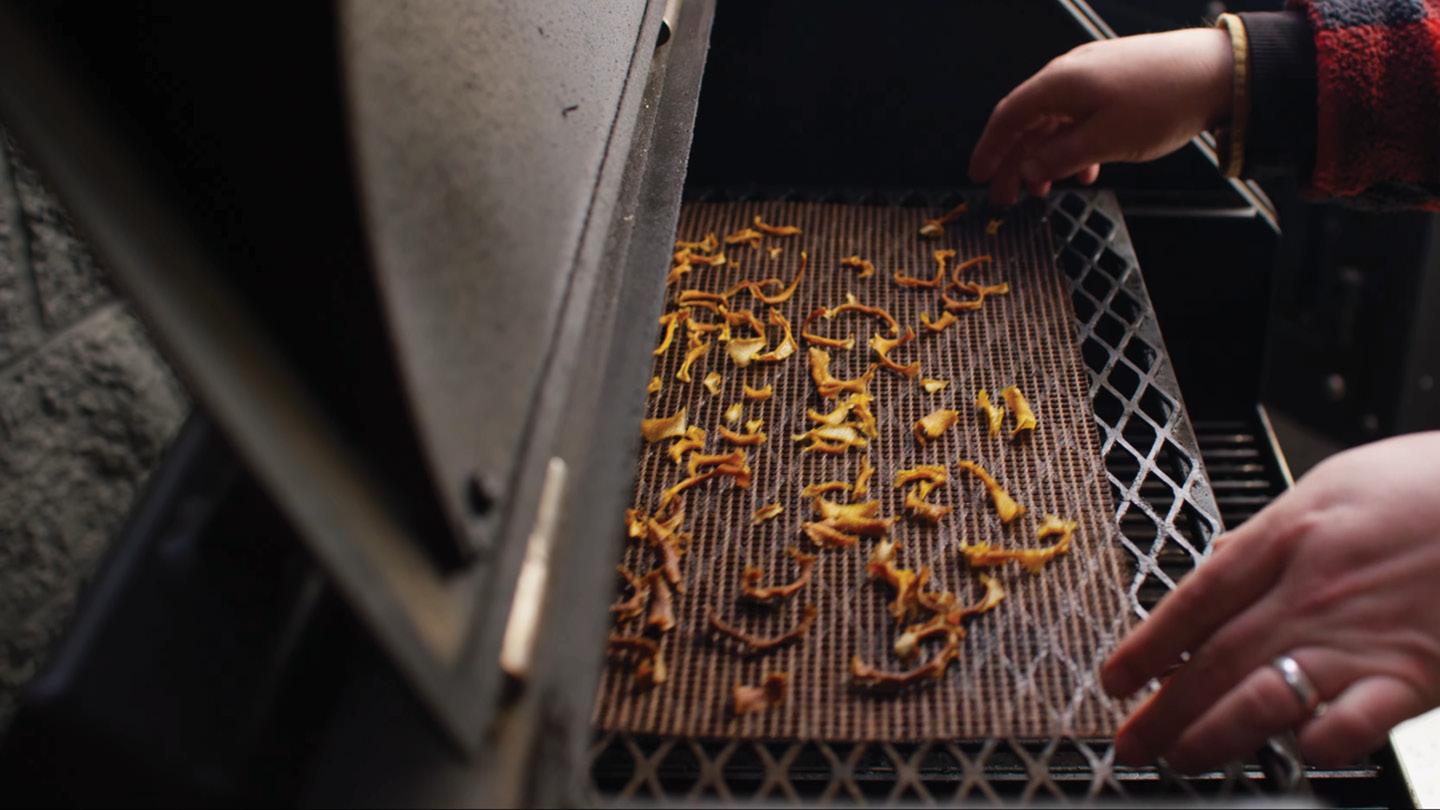
- Smoke until dehydrated, about 75-90 min.
- Break up the dehydrated lemon zest into a spice grinder and break down to desired consistency.
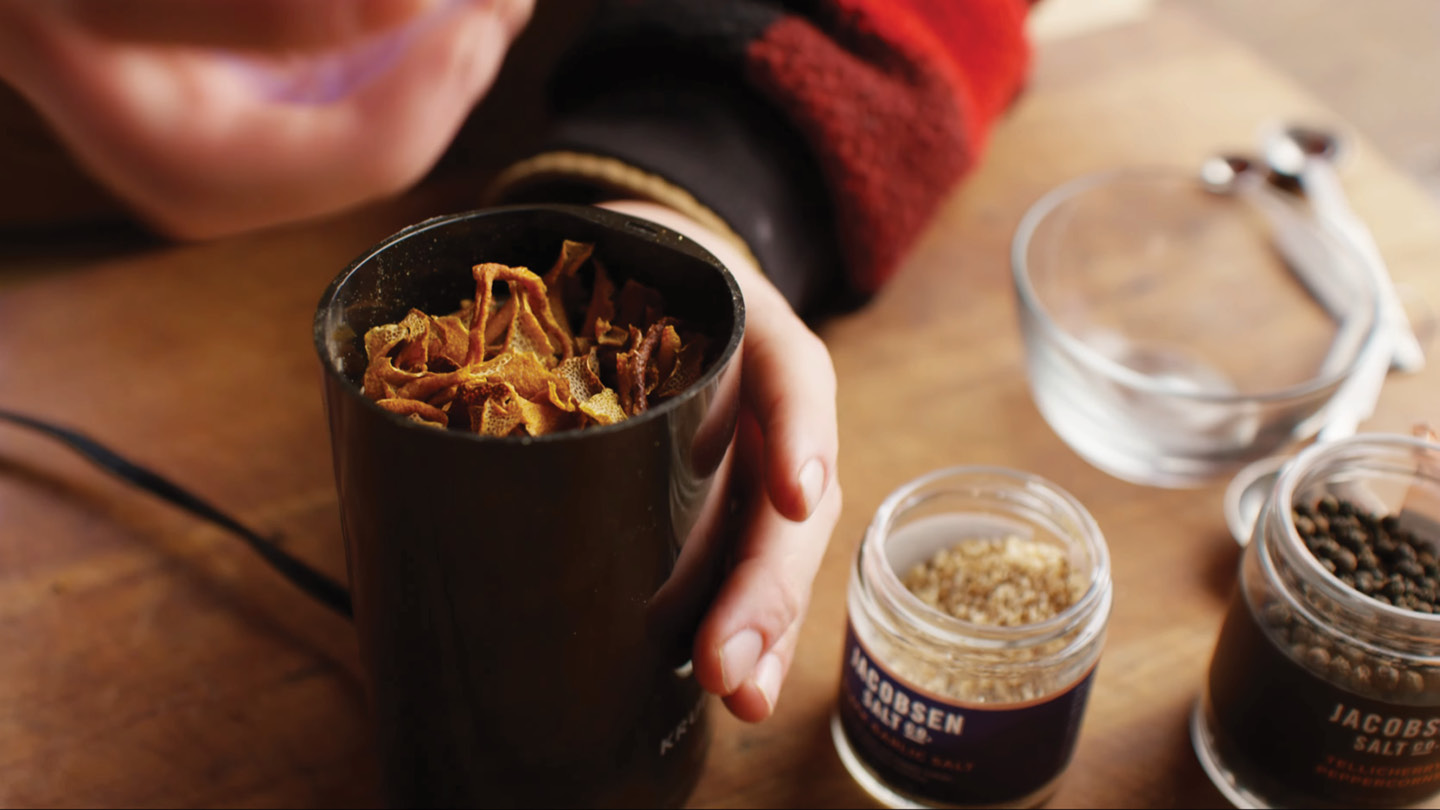
- Add the peppercorns to the grind and break down to a similar size.
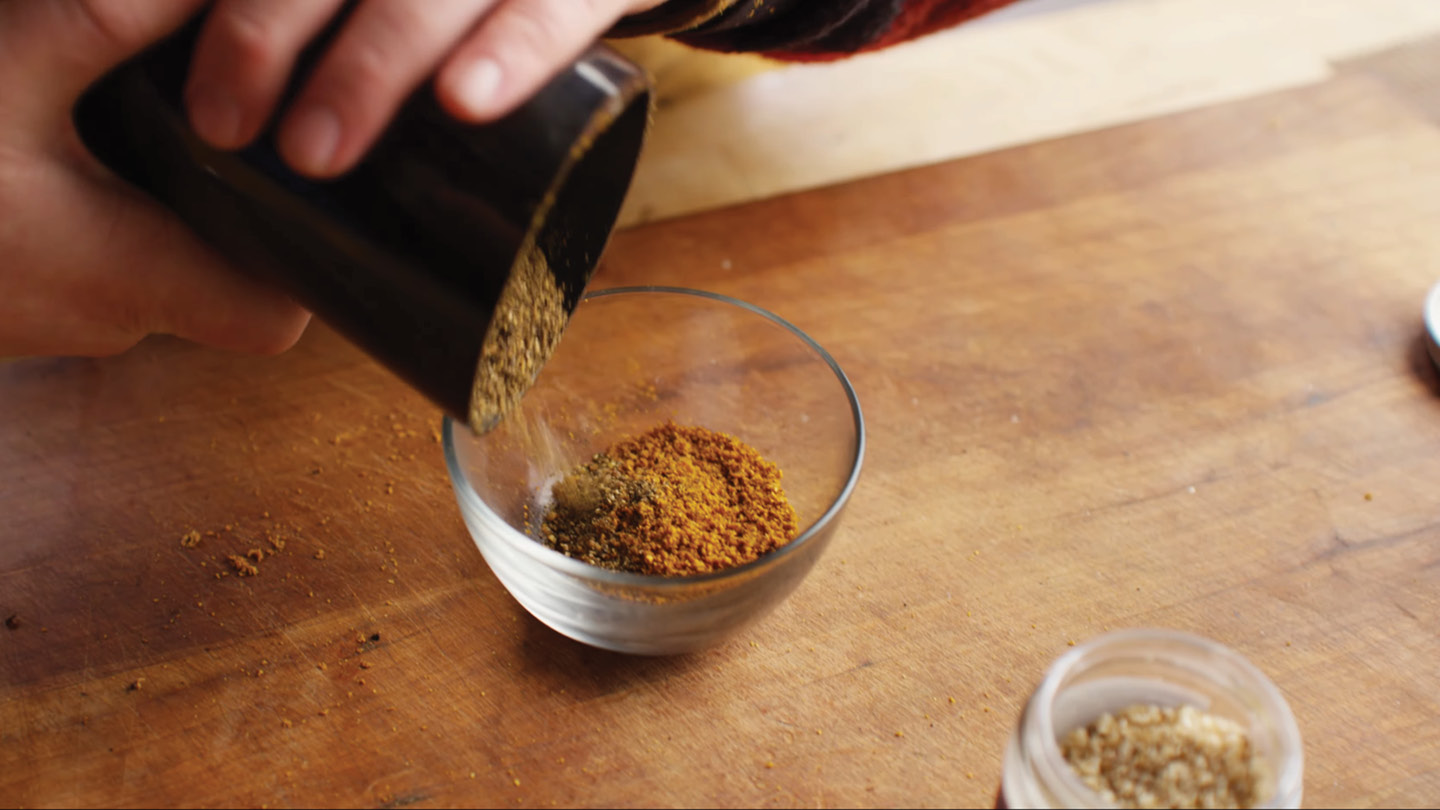
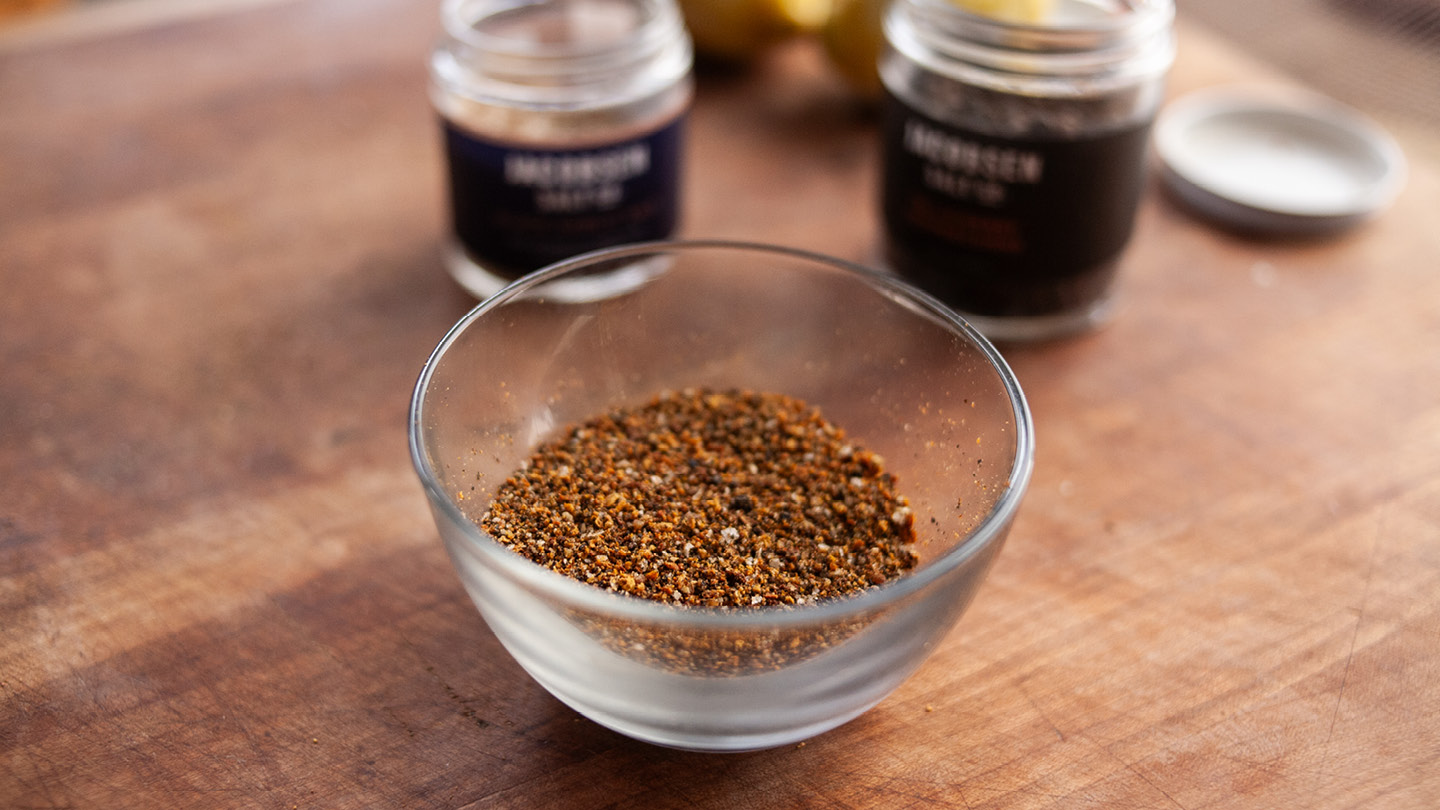
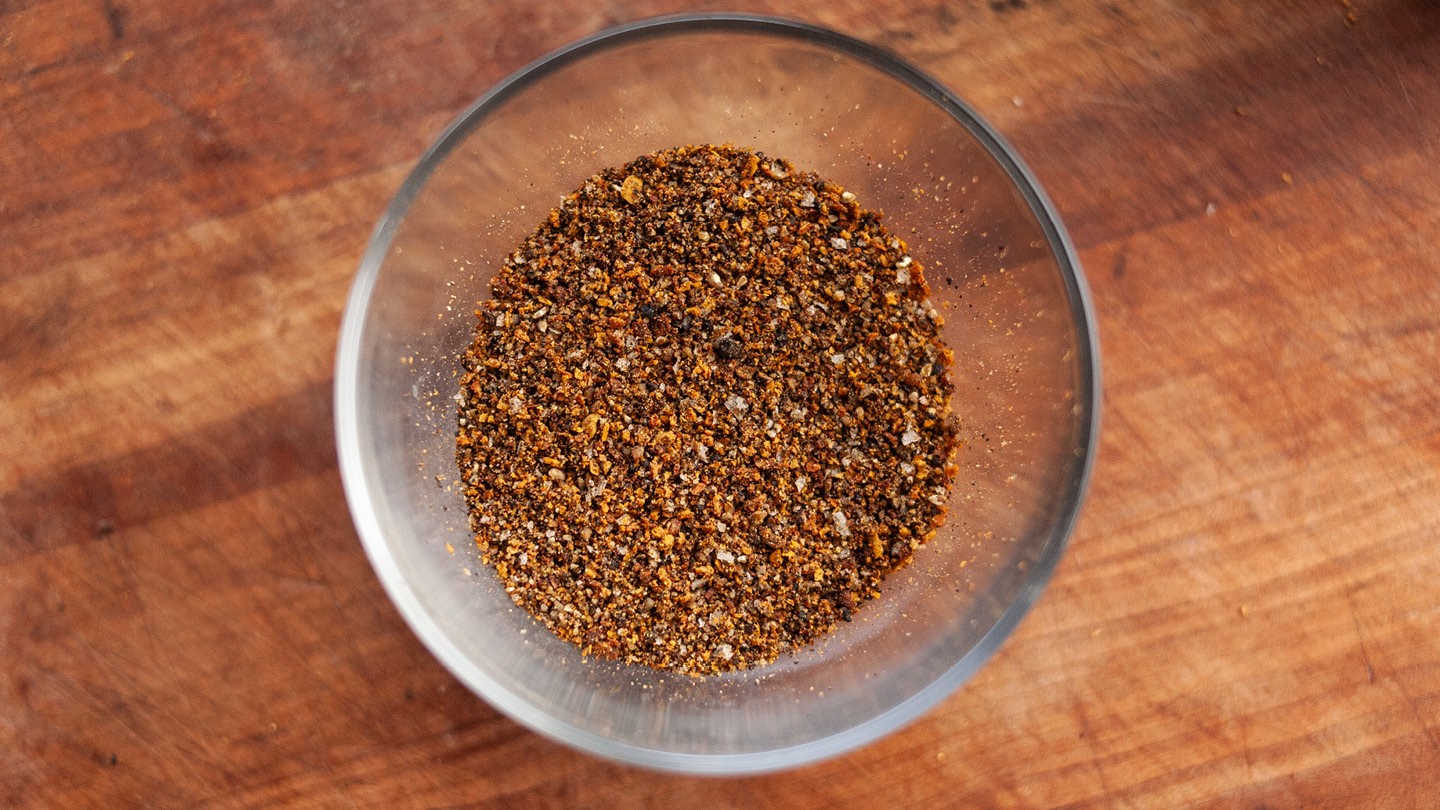
- Combine the ground lemon zest, black pepper and black garlic salt in a bowl and mix well.
Recipe Note
Recipe FAQ
Why smoke the lemon zest instead of just drying it?
Drying lemon zest removes moisture and concentrates the citrus oils — smoking it at 225°F does that and adds a layer of wood smoke character that changes the flavor profile entirely. The smoke bonds with the citrus oils in the zest during the 75–90 minute cook, producing a depth that commercial lemon pepper and oven-dried zest don't have. The pellet grill at 225°F is cool enough that the oils don't cook off — they absorb smoke while the moisture evaporates.
Why Tellicherry peppercorns specifically?
Tellicherry peppercorns are harvested later on the vine than standard black pepper, which allows the berries to develop more complex aromatic oils. The flavor is bolder, fruitier, and more nuanced than commodity black pepper. In a three-ingredient blend where pepper is one of them, the quality of that pepper is directly proportional to the quality of the finished seasoning. Jacobsen's Tellicherry peppercorns are whole-berry, which means you're grinding fresh — maximum aroma, no pre-oxidized powder.
What does the black garlic salt add that regular salt doesn't?
Black garlic is aged fermented garlic with a deep, sweet, mellow umami flavor — nothing like raw garlic's sharpness. Jacobsen's black garlic sea salt blends that into a finishing salt that adds savory depth to the blend without any heat or pungency. Substituting regular sea salt produces a perfectly good lemon pepper seasoning; the black garlic salt produces a noticeably more complex one. Don't skip it if you can help it.
How fine or coarse should I grind this?
Grind the lemon zest first to your preferred consistency, then add the peppercorns and bring them to the same size — the goal is uniform particle size so the blend doesn't separate in the jar. Medium grind works for most applications: coarse enough to have texture, fine enough to distribute evenly. Go finer if you're using it as a finishing seasoning on fish or eggs; leave it coarser if you want it to function more like a rub on chicken or pork chops.
Can I make this indoors?
Indoor cooking rating: 2 out of 5 — Can be done inside, but loses the key flavor. The smoke is the point. You can dry lemon zest in a conventional oven at its lowest setting (170–200°F) for about an hour and produce a great dehydrated lemon zest — but without pellet smoke, it's just dried lemon pepper, not smoked lemon pepper. If you have a stovetop smoker or a smoking gun, you can approximate the smoke character indoors, but the YS640s at 225°F is the method this recipe is built around.
Recipe Highlights
Use a Vegetable Peeler, Not a Microplane, for the Zest: The recipe calls for removing the zest in strips with a peeler — not grated zest. Strips have more surface area for smoke penetration and dry more evenly on the frogmat than fine-grated zest, which can clump and uneven-dry. Peel in long strips, avoid the white pith which is bitter, and lay them flat in a single layer on the frogmat with space between strips.
Second Shelf Position Matters: The direction to place the frogmat on the second shelf of the YS640s keeps the zest away from the direct heat of the firebox and in the ambient smoke zone — the goal is dehydration and smoke absorption, not cooking. The second shelf position gives 90 minutes of gentle heat and smoke without any risk of scorching the citrus oils out of the zest.
Grind the Zest Before the Peppercorns, Not Together: Direction step 4 and 5 are sequential for a reason — breaking down the dehydrated lemon zest first lets you assess its consistency, then adding the peppercorns and grinding to match gives you control over the final texture. If you grind them together from the start, the harder peppercorns will be coarse while the brittle zest is already fine.
Store in a Sealed Jar Away from Heat and Light: The finished blend keeps for 6–12 months, but only if stored properly. A dark pantry or cabinet is ideal; storing near the stove or on a sunny countertop degrades the citrus oils faster. A small mason jar with a tight lid works well. Label it with the date — after six months the smoke character starts to fade even in good storage conditions.
Recommended Recipes
Nutrition
Nutrition
- Nutrition Serving Size
- 1 tbsp
- per serving
- Calories
- 49
- Fat
- grams
- Saturated Fat
- grams
- Cholesterol
- milligrams
- Sodium
- 1144 milligrams
- Carbs
- 6 grams
- Fiber
- 2 grams
- Sugar
- grams
- Protein
- 1 grams


