Recipe Note
Recipe FAQ
What is the history of chimichurri?
Chimichurri hails from Argentina and Uruguay, where it developed as a staple condiment of the gaucho tradition — the cattle-herding culture of the South American pampas. Gauchos preparing asado (open-fire grilled beef) needed a sauce that could be made from pantry staples and fresh herbs without refrigeration. European immigrants, particularly from Spain and Italy, are also credited with shaping the recipe as they blended their culinary traditions into local Argentine cuisine. Over time, regional variations developed throughout the Southern Cone, and chimichurri eventually spread globally as a versatile accompaniment to grilled meats, seafood, and vegetables.
What consistency should I aim for?
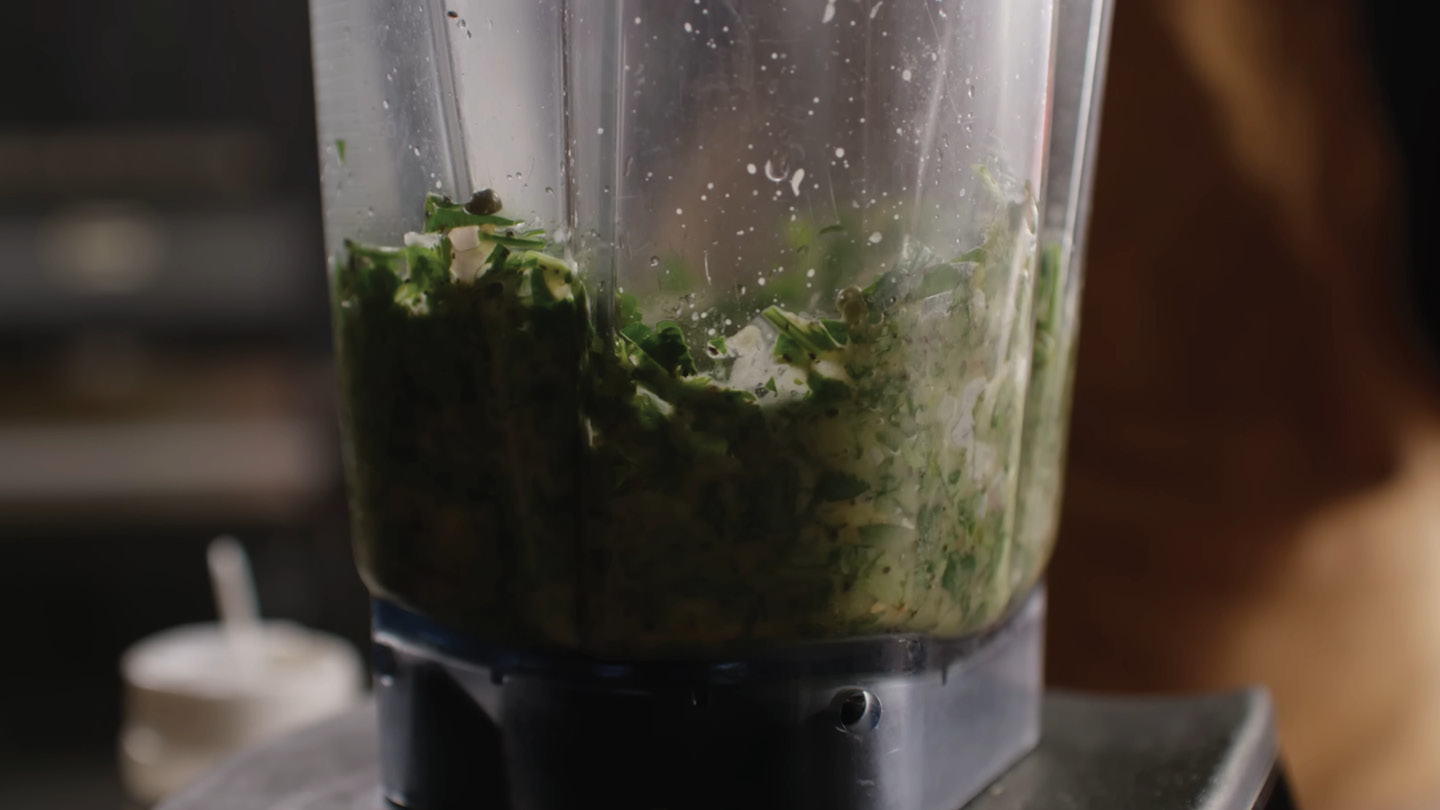
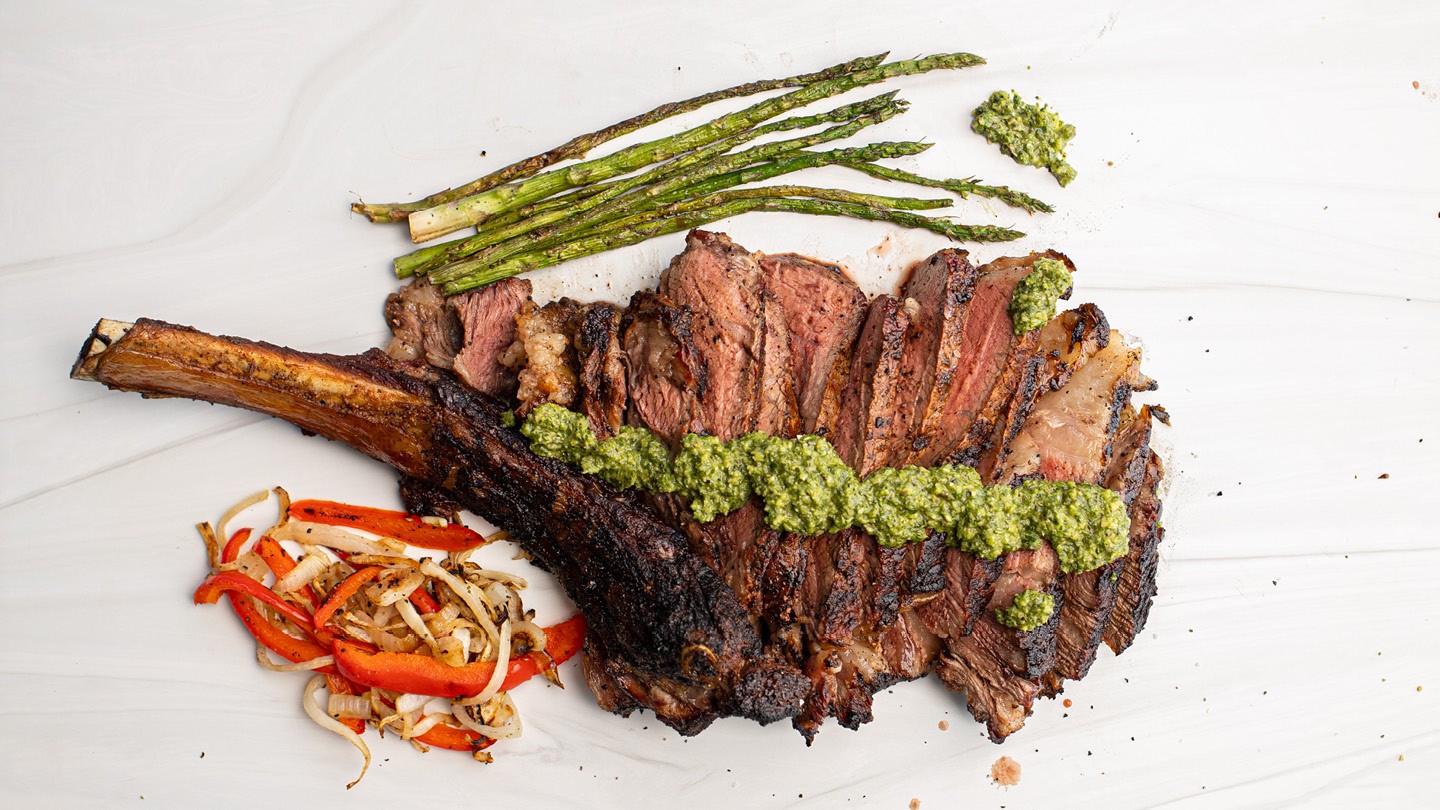
It depends on how you're serving it. For a rustic, textured chimichurri that holds its shape on a plate — ideal as a topping for sliced steak or grilled chicken — pulse 5–6 times and stop while you can still see distinct herb pieces and shallot. For a smooth, pourable sauce better suited as a marinade or drizzle, run the food processor continuously for 15–20 seconds. Both are correct; the texture choice is a matter of application, not quality.
Can I make chimichurri without a food processor?
Yes — the traditional Argentine method is hand-chopped with a knife. Finely mince the parsley, cilantro, oregano, shallot, garlic, and capers by hand, then combine with the vinegar and olive oil in a bowl and stir. Hand-chopped chimichurri has a coarser, more rustic texture and the herbs retain more of their individual character. The food processor version is faster and more consistent but slightly less traditional.
How long does chimichurri keep?
Refrigerated in an airtight container, chimichurri keeps for up to two weeks. The flavor actually improves after the first day as the garlic and vinegar mellow and the herb oils fully infuse into the olive oil base. The color will darken slightly over time as the herbs oxidize — this is cosmetic and doesn't indicate spoilage. Bring to room temperature and stir before serving after refrigeration.
What can I use chimichurri for beyond grilled steak?
Chimichurri is one of the most versatile condiments in the catalog. As a marinade, coat chicken thighs or flank steak for 1–4 hours before grilling. As a sauce, spoon over sliced brisket, lamb chops, grilled shrimp, or roasted vegetables. As a finishing drizzle, use on fried eggs, grain bowls, or flatbread. Folded into softened butter and chilled, it becomes a chimichurri compound butter. The herb-acid-oil combination pairs with virtually anything savory.
Can I make this indoors?
5 out of 5 — Perfect for indoor or outdoor cooking. This is entirely countertop prep — a food processor or knife and a bowl. No heat, no grill, no equipment beyond what's in any kitchen.
Recipe Highlights
Rough-chop the herbs before adding to the food processor: The single direction step says to combine everything and process, but adding whole, uncut herb bunches to the processor produces uneven results — some leaves get fully processed while others remain whole. A quick rough chop of the parsley, cilantro, and oregano before they go in produces more consistent texture and prevents the processor from working too hard on whole stems.
Add the olive oil last, not at the start: Adding olive oil before processing can cause the blades to emulsify it into the herbs rather than coat them, producing a paste rather than a sauce. Add the dry ingredients and vinegar first, pulse to a rough chop, then drizzle the olive oil in with the processor running briefly. This keeps the texture open and the oil clearly present rather than absorbed.
Don't over-process — stop while it still looks like chimichurri: The transition from rustic herb sauce to green paste happens quickly in a food processor. Pulse in short 1–2 second bursts and check after each pulse. Once the herbs are uniformly chopped and the ingredients look combined, stop immediately. Over-processed chimichurri turns bitter as the herb cell walls break down completely and release chlorophyll.
Rest at least 30 minutes before serving: Freshly made chimichurri is good, but chimichurri that has rested 30 minutes to an hour is noticeably better. The vinegar begins to soften the raw edge of the shallot and garlic, the herb oils fully distribute into the olive oil base, and the Lone Star Brisket Rub blooms in the liquid. Make it before you light the grill — by the time the meat comes off, it will be at its best.
Recommended Recipes