Recipe Note
Recipe FAQ
Why use two full chimneys of charcoal?
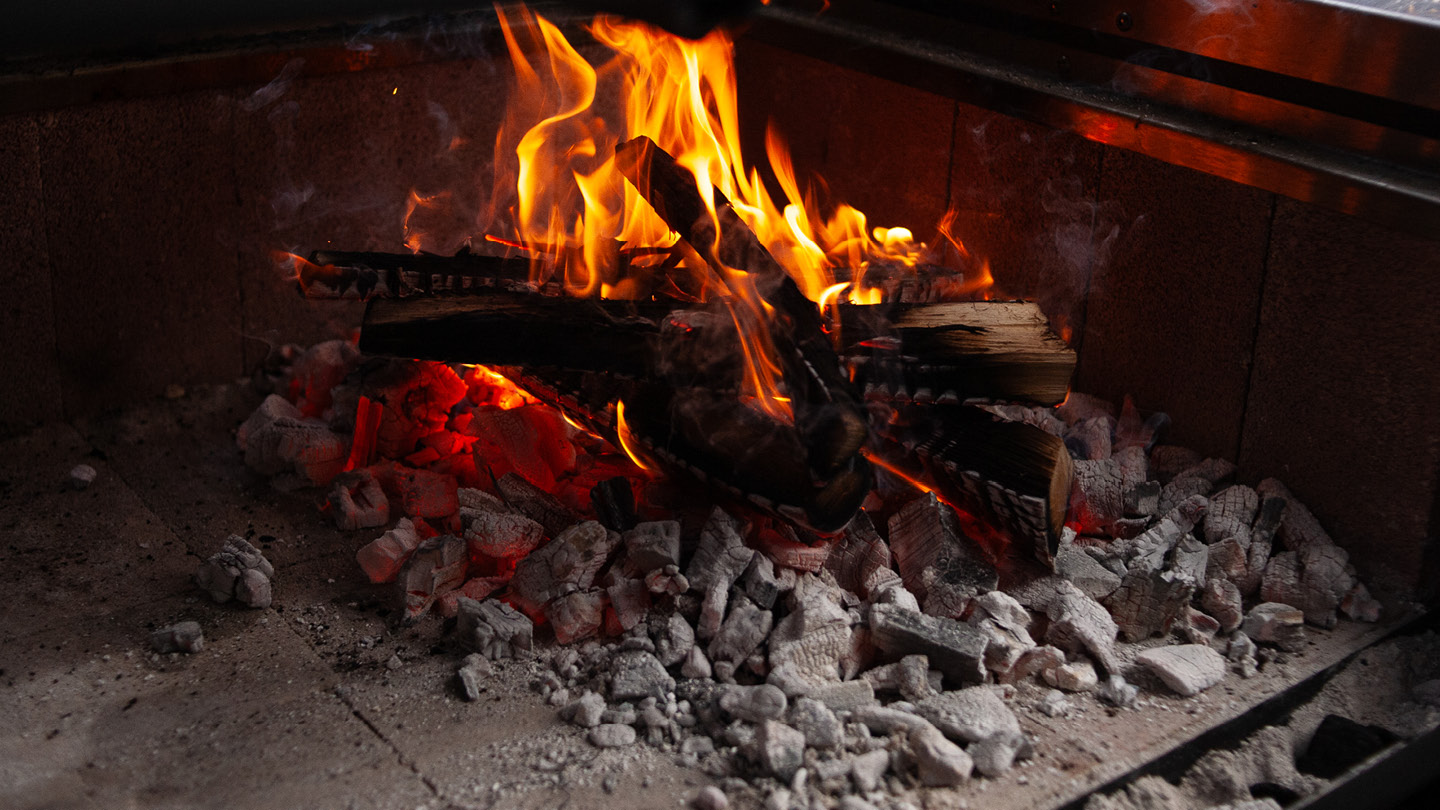
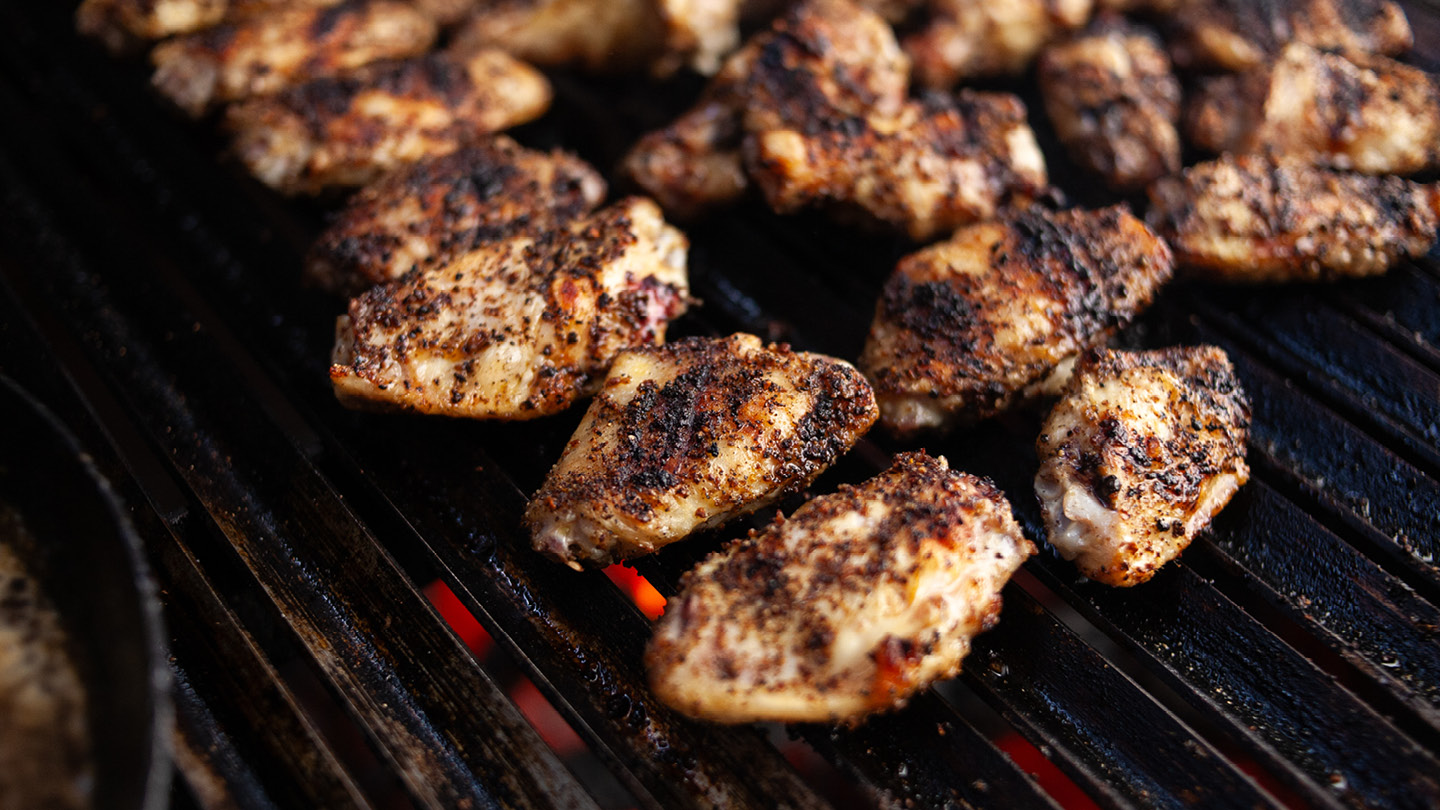
Direction Step 1 specifies two full chimneys of lump charcoal plus 4–6 hickory wood splits. This is a high-heat, high-volume fire — the intent is a very hot coal bed that produces significant direct radiant heat at grate level. A single chimney would produce insufficient heat to char the wing exterior and reach 175–180°F internal temperature in 20 minutes. Two chimneys ensures a deep, even coal bed across the full width of the El Dorado's cooking surface, allowing all the wings to cook simultaneously over direct heat.
Why finish wings at 175–180°F instead of the 165°F standard?
165°F is the FDA minimum safe temperature for poultry, but chicken wings — especially the drumette — benefit from a higher finish temperature. The collagen and connective tissue in wings begins breaking down at temperatures above 165°F, producing a more tender, fall-off-the-bone result rather than the slightly chewy texture that can result at 165°F. The skin also renders more completely at 175–180°F, producing a crispier exterior. For dark meat wing pieces, 175–180°F is the preferred target for both texture and quality.
Can I substitute the El Dorado with a charcoal kettle grill?
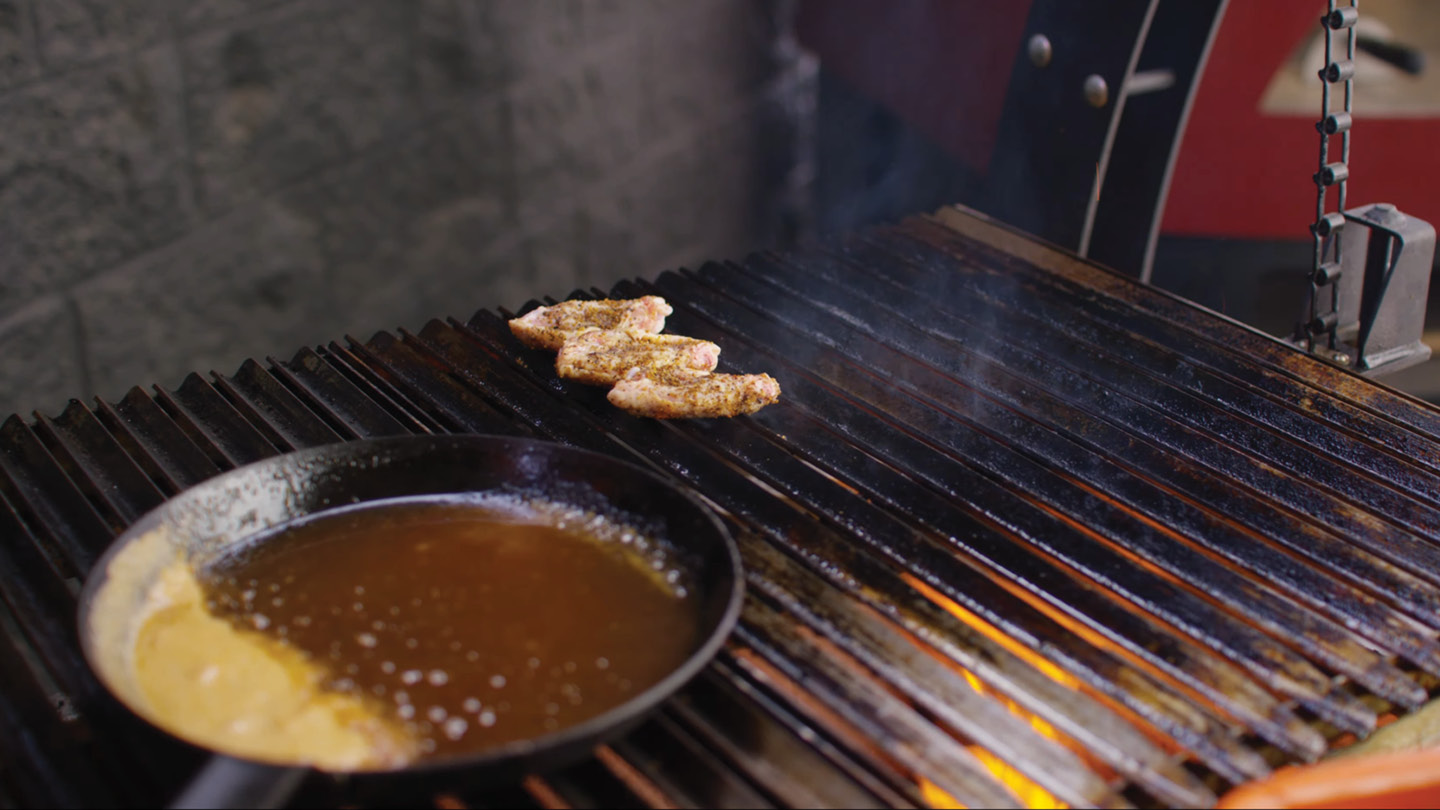
Yes — a standard 22" or 26" Weber kettle with two chimneys of lump charcoal banked for direct heat works well. The El Dorado's height-adjustable grate is what allows Tom to lower the cooking surface closer to the coals for additional char in Direction Step 5; on a kettle, move the grate to the lowest position or remove the lid entirely for maximum heat. Add the hickory wood chunks (not splits — the smaller size works better on a kettle) directly to the coal bed before cooking.
What can I substitute for the Meat Church Lemon Pepper if it's out of stock?
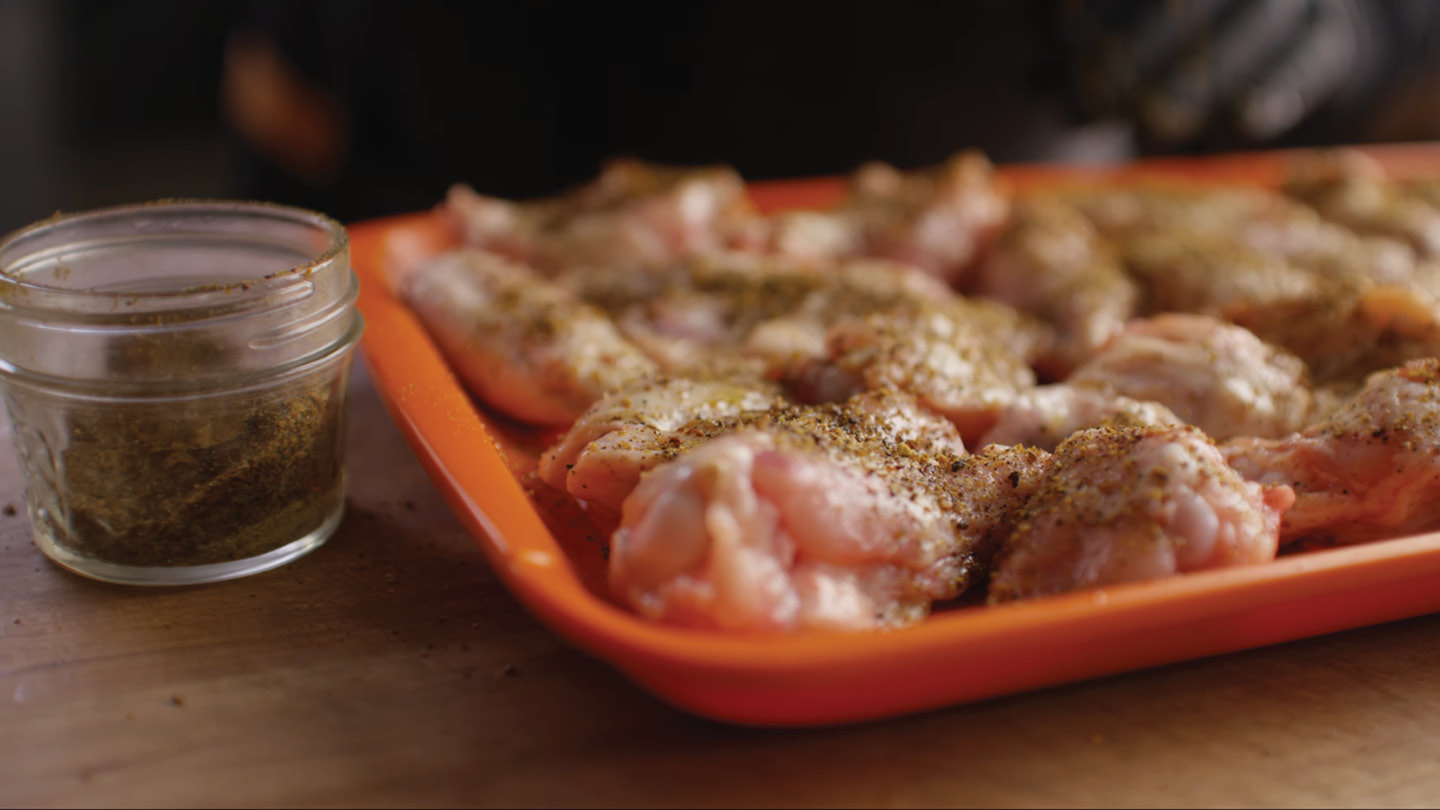
Any smoked lemon pepper seasoning works in this recipe. The key characteristics to look for: visible lemon zest or lemon peel in the blend, black pepper as a dominant flavor, and smoke character (either from smoked salt or smoked paprika). Oakridge BBQ Carne Crosta, Cattleman's Grill California Tri-Tip Rub, or simply combining fresh-cracked black pepper with lemon zest and smoked salt produces the correct flavor profile.
Can I make the glaze ahead of time?
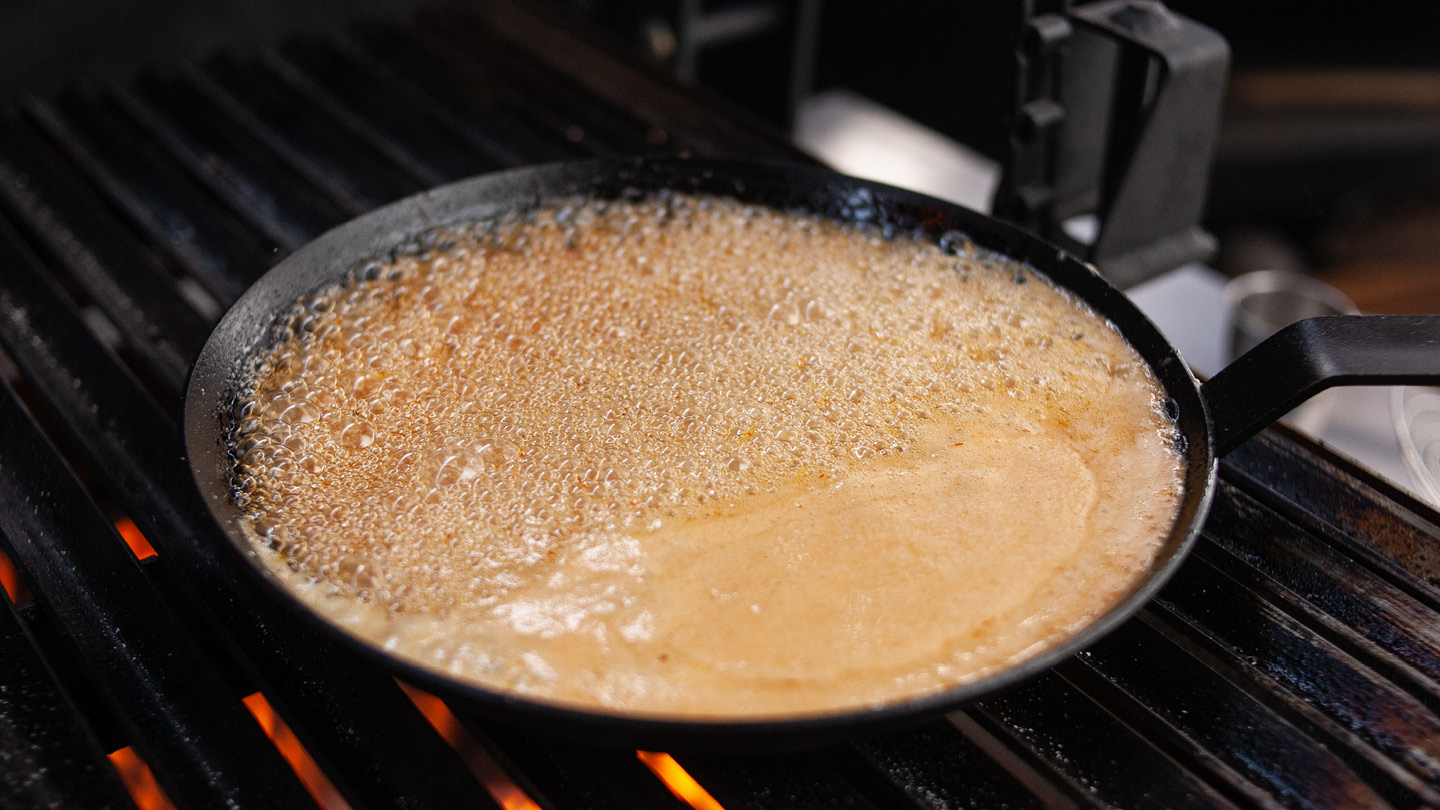
Yes — the reduced hot honey glaze holds refrigerated for up to 2 weeks and reheats smoothly in a small saucepan over low heat with a splash of water. Make the full batch in advance; add the lemon zest and juice only when reheating for service, as lemon's volatile aromatics dissipate within an hour. The glaze will thicken further as it cools and needs to be thinned slightly on reheating.
Can I make this indoors?
2 out of 5 — Can be done inside, loses key flavor. A broiler on high with wings on a rack 6 inches from the element produces cooked wings in approximately 20–25 minutes, turning once. What you lose entirely is the charcoal heat, hickory smoke, and the char development from live fire. The glaze works identically indoors. The result is good glazed wings; a completely different product from the charcoal-and-hickory version.
Recipe Highlights
Light the chimneys before doing anything else — they take 15–20 minutes: Direction Step 1 starts with lighting the charcoal. Two full chimneys of lump charcoal take 15–20 minutes to reach full heat — glowing orange at the top with white ash showing. If you start the glaze or the wings first, you'll be waiting for the coals and the wings will have been sitting seasoned and getting cold. Light the charcoal first, then use the wait time to make the glaze and season the wings.
Start the glaze reduction before the coals are ready — it needs time: Direction Step 2 starts the glaze while the coals develop. The reduction takes 10–15 minutes of active simmering to concentrate properly. Starting it simultaneously with the coal-lighting means the glaze will be ready (or close) when the coals are. If you wait until the coals are ready before starting the glaze, the wings will cook while the glaze is still thin and unready.
Lower the grates for char — don't just cook at distance: Direction Step 5 explicitly notes lowering the grates as needed to achieve char on the surface. The char development is part of the flavor — the lightly bitter, caramelized wing exterior is the contrast that makes the sweet honey glaze work. Wings cooked too far from the coals cook through but don't develop char; lower the El Dorado's adjustable grate to close the distance and build color aggressively before the interior is done.
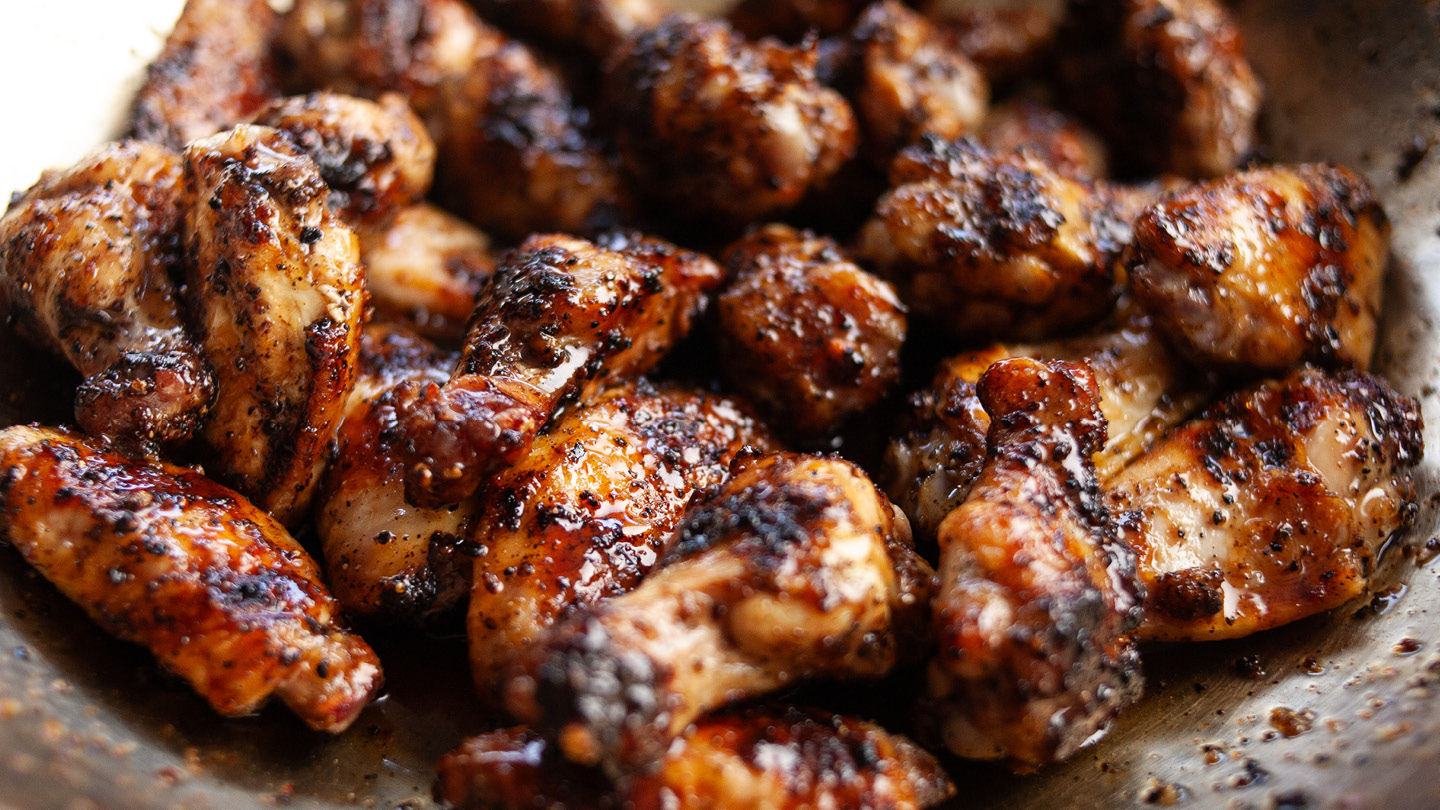
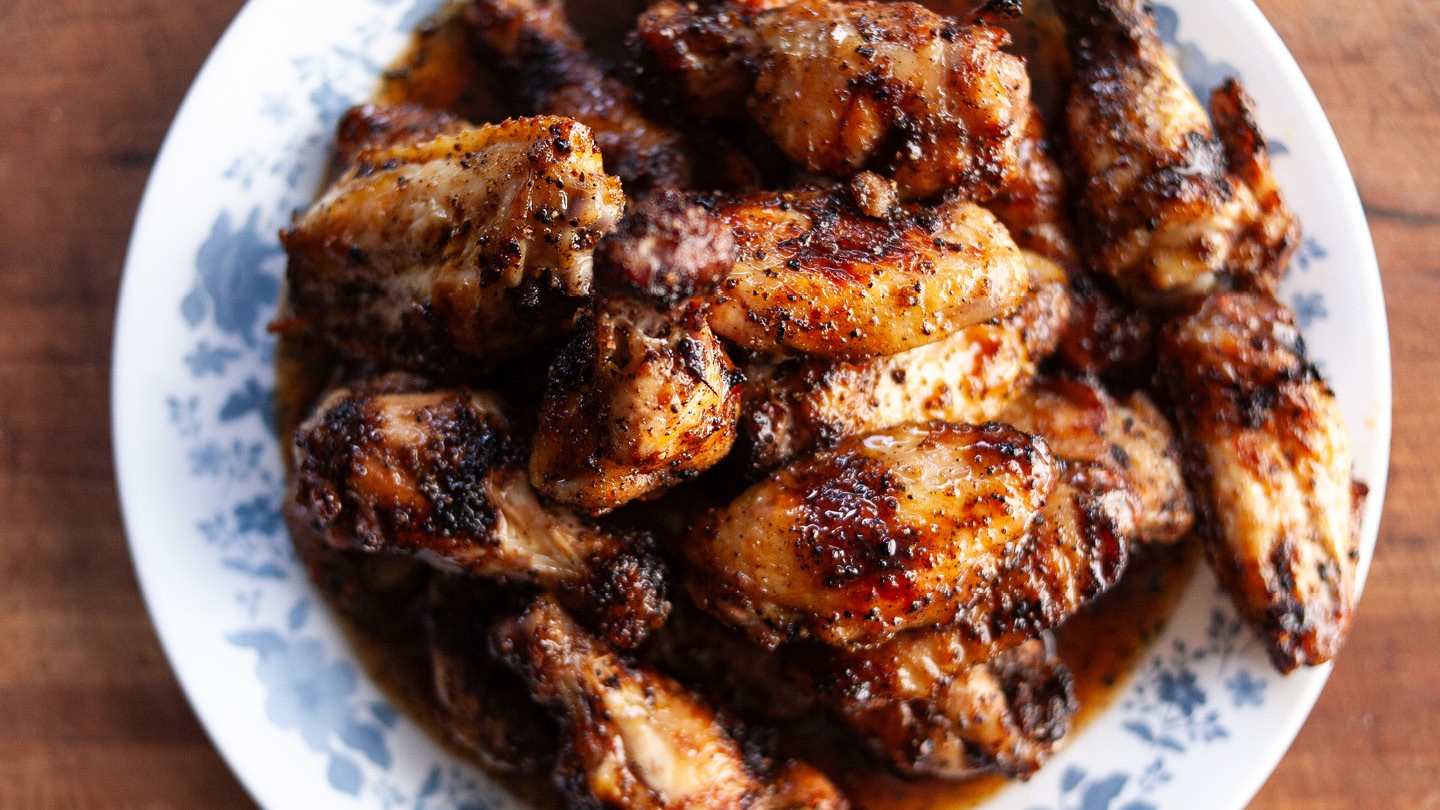
Toss immediately while the wings are hot — don't let them cool first: Direction Step 6 transfers from grill to bowl and pours the glaze immediately. Hot wings absorb the glaze into the skin surface rather than just coating the exterior. The residual heat also caramelizes the glaze slightly on contact, producing a sticky, lacquered surface. Wings that cool before glazing have contracted skin that doesn't absorb the glaze the same way — the coating sits on top rather than integrating with the crispy skin.
Recommended Recipes