Recipe Note
Recipe FAQ
What is the history of nachos?
Nachos were invented in 1943 in Piedras Negras, Mexico, just across the border from Eagle Pass, Texas. Ignacio "Nacho" Anaya, the maître d' at the Victory Club restaurant, improvised the dish for a group of U.S. military wives who arrived after the kitchen had closed. Working with what he had available — fried tortilla chips, shredded cheese, and jalapeños — he named the dish "Nacho's Especiales" after himself. The dish spread through Texas by word of mouth and became widely popular when Frank Liberto introduced commercially packaged nacho cheese sauce at Texas Rangers games in 1976, making nachos a sports venue staple. Today's pulled pork nacho builds on that same tortilla chip and melted cheese foundation, adding the overnight smoked pork and homemade sodium citrate cheese sauce.
What is sodium citrate and why does this recipe use it?
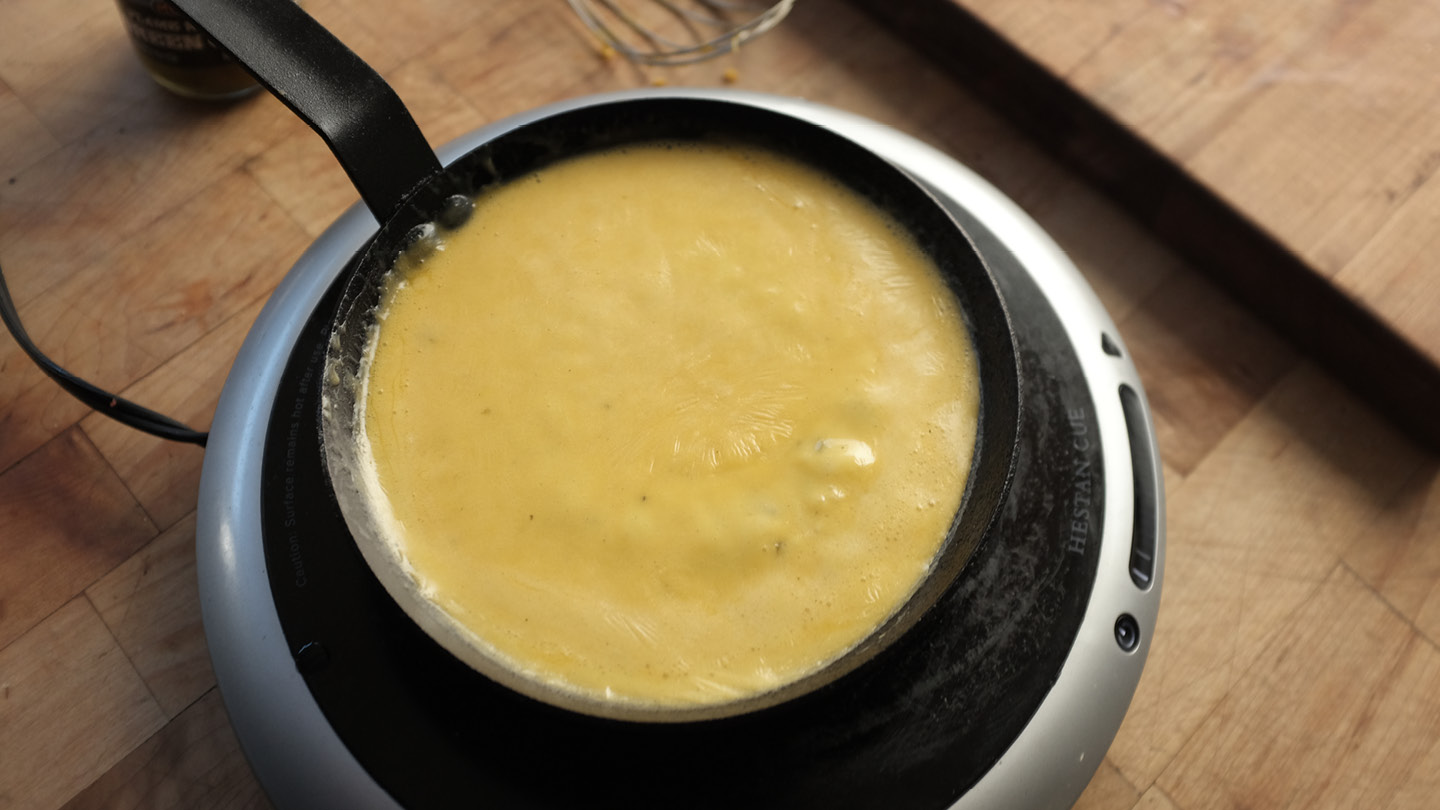
Sodium citrate is a food-grade emulsifying salt derived from citric acid. When dissolved in water and combined with natural cheese, it prevents the proteins and fats in the cheese from separating during melting — the result is a smooth, creamy, glossy cheese sauce that stays pourable even as it cools. Without sodium citrate, melted natural cheddar breaks into greasy strings and pools of fat. The same compound is what makes commercial processed cheese melt so smoothly. Two teaspoons dissolved in ¾ cup of boiling water is sufficient to emulsify 8 oz of sharp cheddar into a stable, restaurant-quality cheese sauce.
Why use both Chihuahua cheese and feta on the nachos?
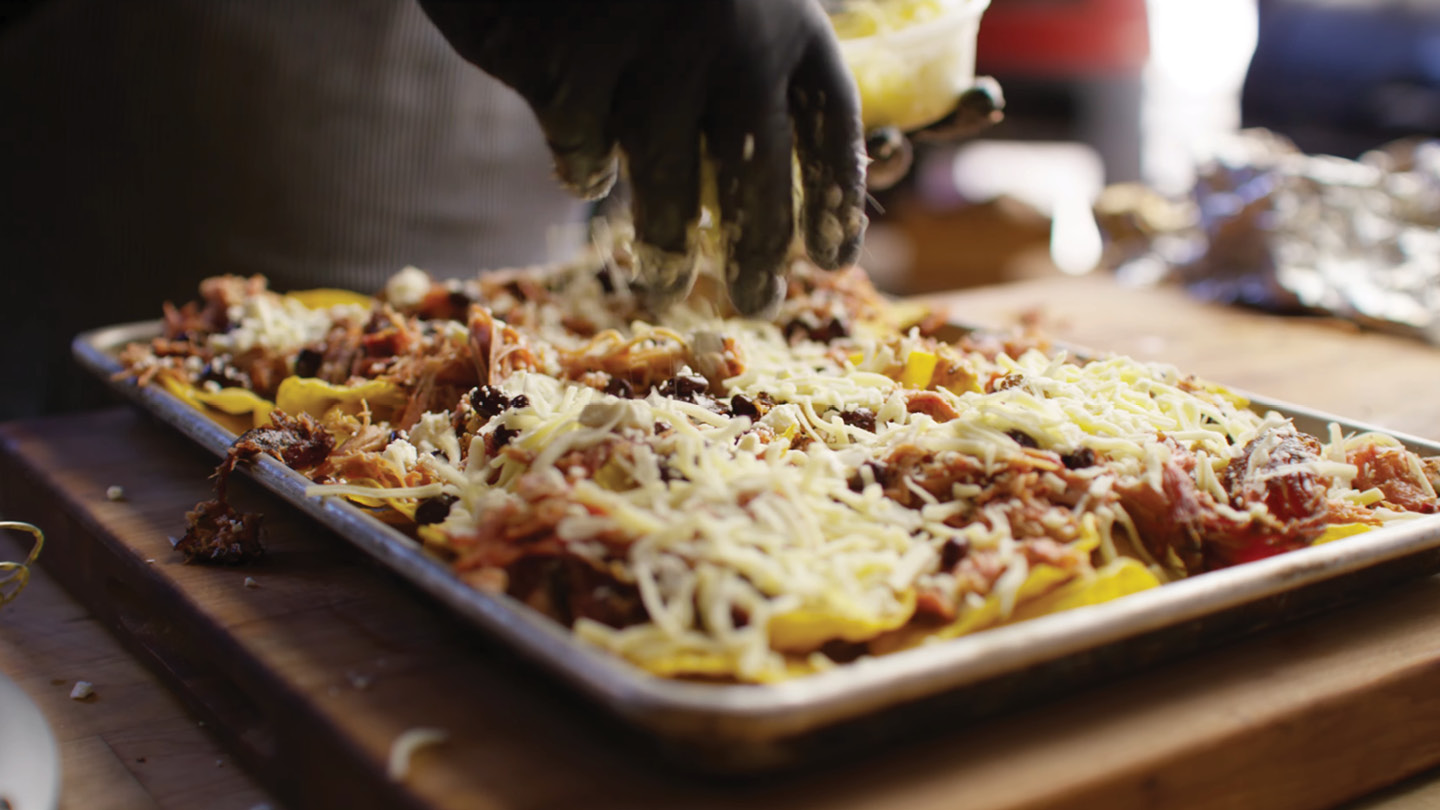
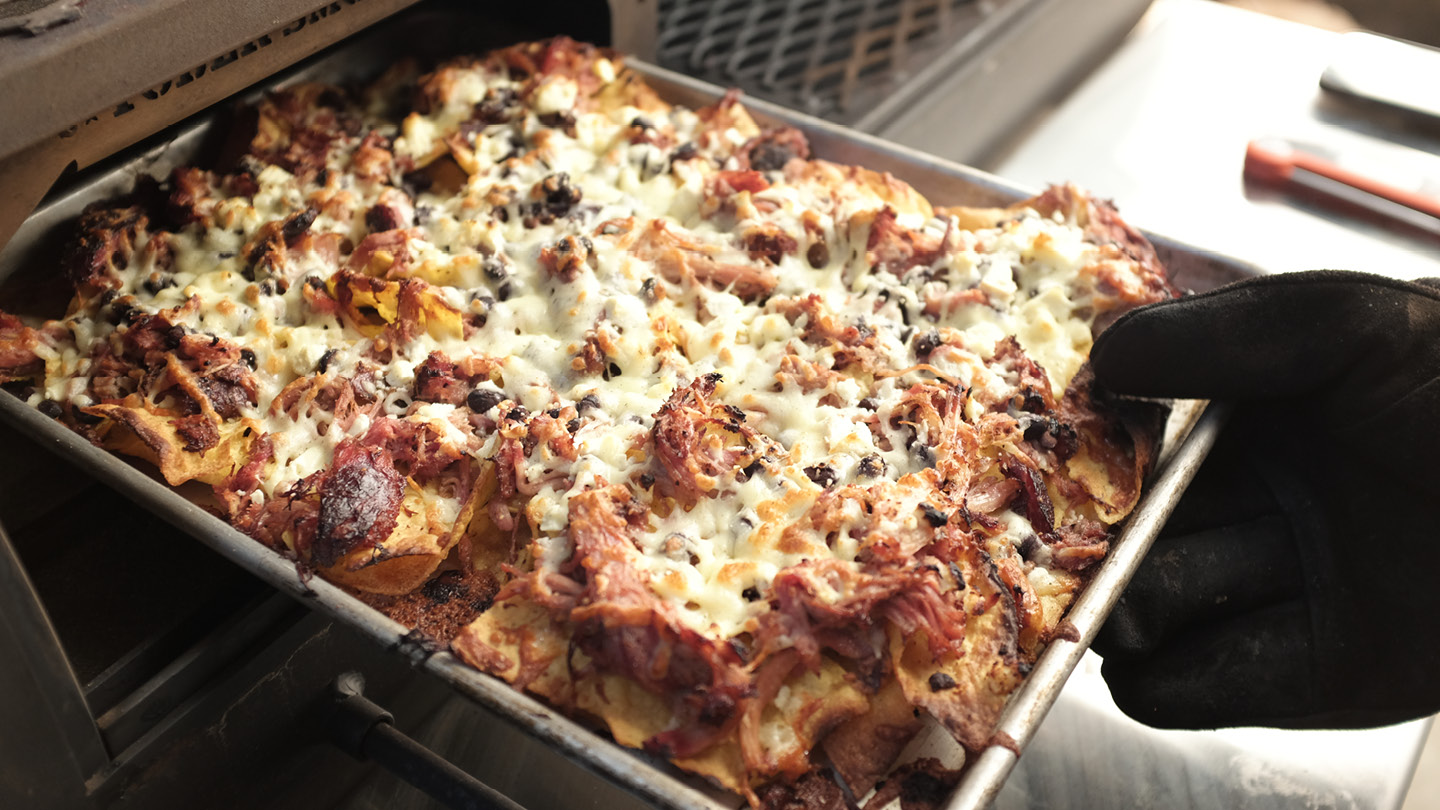
They serve completely different functions. Chihuahua is a mild, buttery Mexican melting cheese — it softens and integrates into the chips during the 8–10 minute bake, providing the gooey, cohesive cheese layer that holds the toppings together. Feta is a brined, aged cheese that doesn't melt — it stays crumbled and provides pockets of sharp, salty, tangy flavor contrast throughout the nachos. The sodium citrate cheese sauce poured on top provides a third layer of cheese character. Together, the three create a layered cheese experience rather than a single undifferentiated melt.
Can I use store-bought pulled pork for the nachos?
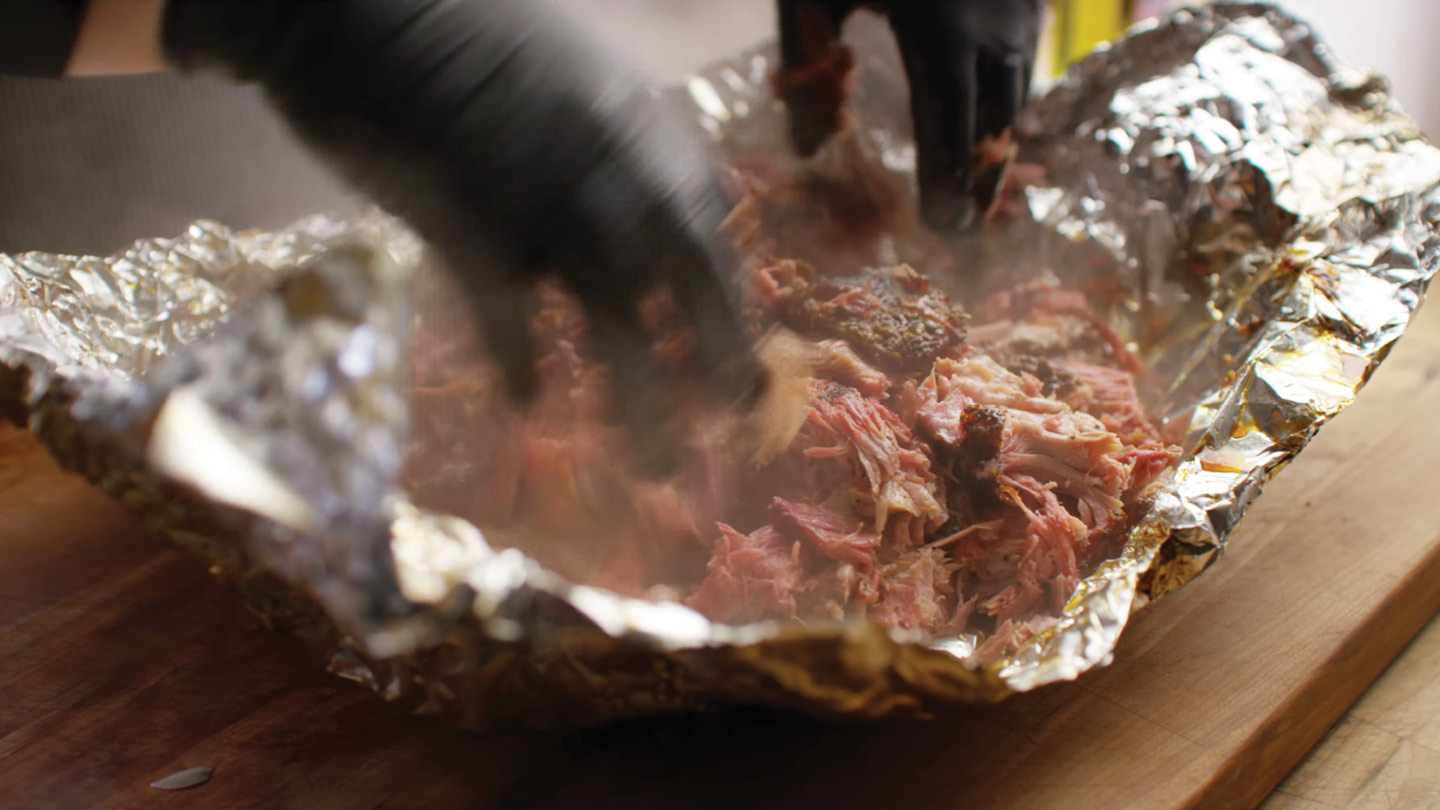
Yes — the nacho assembly requires only 8 oz of cooked pulled pork from any source. Store-bought smoked pulled pork or leftover pork from a previous cook works well. The smoke character from an overnight pellet grill cook adds depth that commercial pulled pork doesn't replicate, but the nacho format — with cheese sauce, salsa, and sour cream — still produces an excellent result with any quality pulled pork.
Why spin the sheet pan halfway through the bake?
Direction Step 9 specifies spinning the sheet pan after 4–5 minutes. The Wood Fired Oven has a hot spot at the back near the firebox — spinning the pan ensures even heat exposure across all the chips and toppings. Without spinning, the chips nearest the back of the oven overcook and the front chips remain underdone. A half-turn at the midpoint produces even browning across the entire sheet pan.
Can I make this indoors?
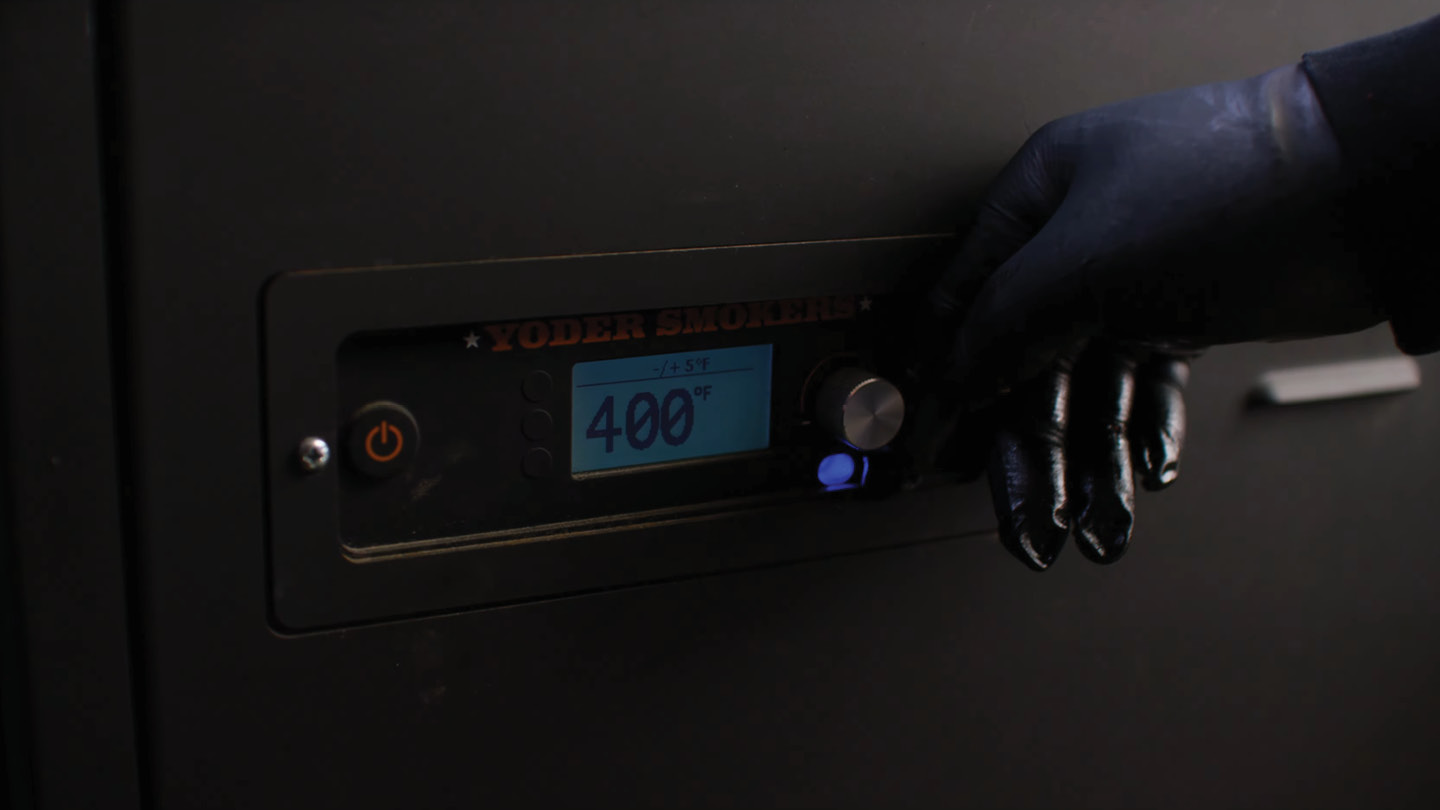
3 out of 5 — Works indoors with adjustments. The cheese sauce, nacho assembly, and sheet pan bake are all fully oven-compatible — a 400°F oven with a broil finish produces good nachos. The overnight pulled pork smoke is the irreplaceable element; without it, use store-bought smoked pulled pork or any quality leftover pulled pork. What you lose is the overnight bark and pellet smoke character that defines the pork.
Recipe Highlights
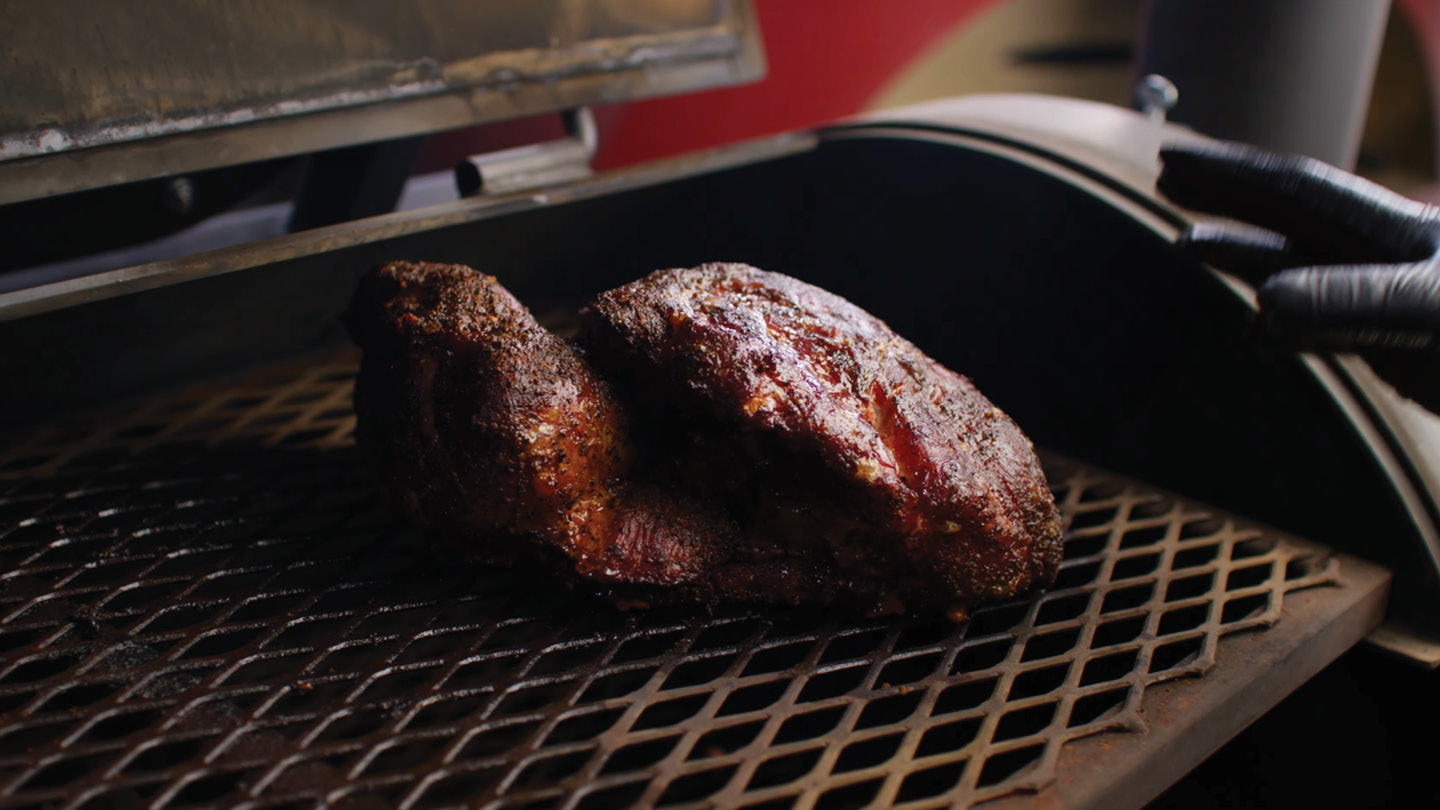
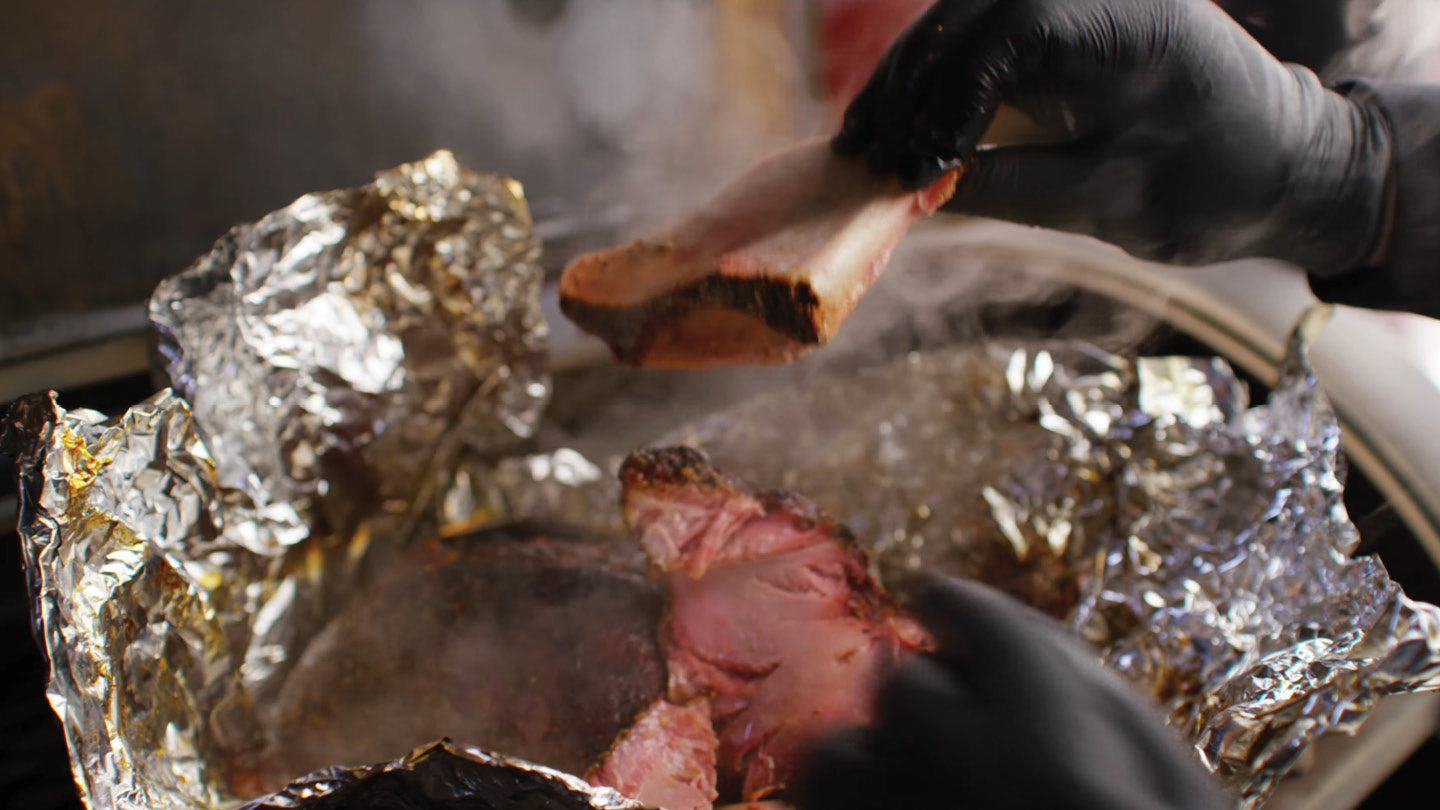
Smoke at 200°F overnight — not higher: Direction Step 1 sets the YS1500s to 200°F for the overnight smoke phase. At this low temperature, the pork spends 8–12 hours absorbing smoke before bark formation begins. Starting at a higher temperature shortens this smoke window significantly. The low starting temperature is what produces the deep smoke penetration and mahogany color described in Direction Step 3.
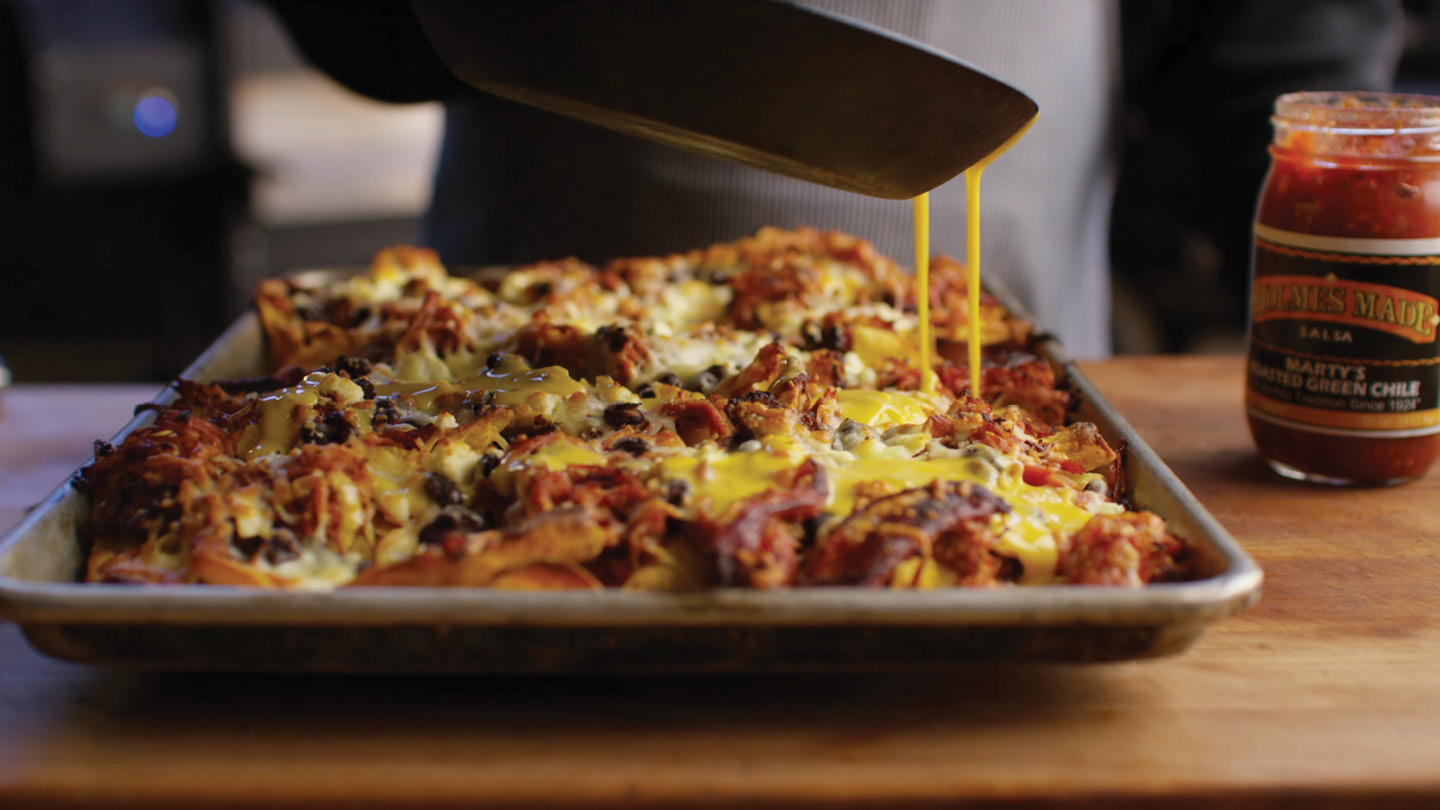
Add cheese to the sodium citrate solution one handful at a time: Direction Step 10 specifies adding cheese a handful at a time, whisking to melt before adding the next. Dumping all 8 oz at once overwhelms the emulsifying capacity of the sodium citrate solution — the sauce will clump and seize. Adding gradually gives the emulsifier time to incorporate each addition before the next goes in, producing the smooth, glossy result. The sauce should remain fluid throughout; if it seizes, add a tablespoon of warm water and whisk vigorously.
Load chips in a single layer — no stacking: Direction Step 8 says to load the sheet pan with chips, then top with pork, beans, feta, and Chihuahua. A single layer of chips ensures every chip gets direct contact with heat from the sheet pan below and the oven dome above. Stacked chips produce a soggy bottom layer that steams under the weight of the toppings rather than crisping in the oven.
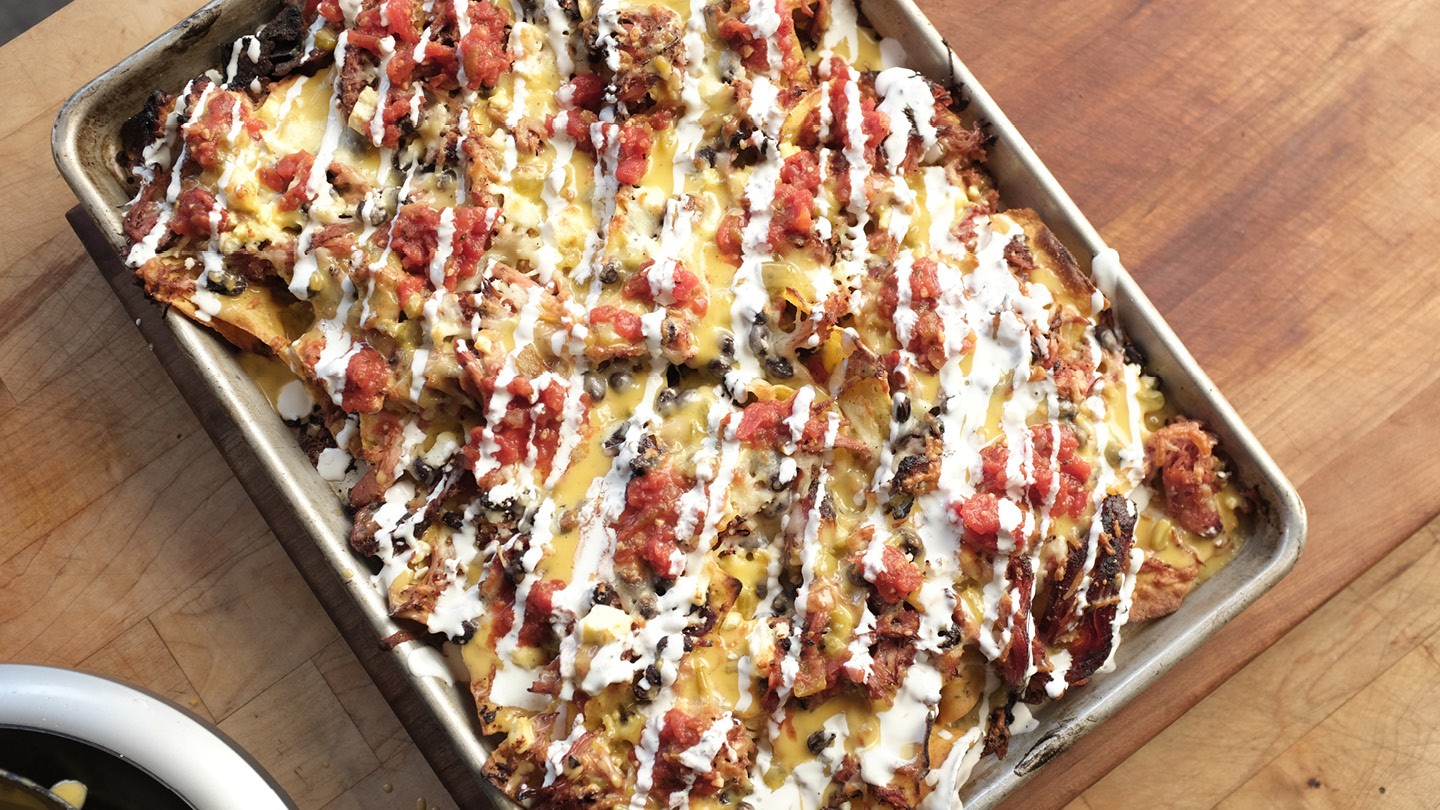
Add the cheese sauce, salsa, and sour cream after the nachos come out of the oven — not before: Direction Step 11 specifies finishing with these toppings after removal from the Wood Fired Oven. The sodium citrate cheese sauce goes on hot nachos, where it flows naturally into the gaps between toppings. The salsa and sour cream are cold condiments that provide temperature contrast — adding them before baking would heat them and lose that contrast, and the sour cream would break down in the high oven heat.
Recommended Recipes