Recipe Note
Recipe FAQ
What is the history of the Kentucky Hot Brown?
The Kentucky Hot Brown was created at the Brown Hotel in Louisville, Kentucky, in the 1920s. Fred K. Schmidt, the hotel's chef, developed it as a late-night dish for hotel guests looking for something more substantial than a standard sandwich after dancing and socializing. The open-faced format — turkey on toast, covered in Mornay sauce and broiled — was practical (it could be assembled quickly) and satisfying. The dish became associated with Louisville's social scene and later with Kentucky Derby season. The Brown Hotel still serves the original recipe, and it remains one of the most recognized regional American dishes in the country.
What is Mornay sauce and how is it different from béchamel?
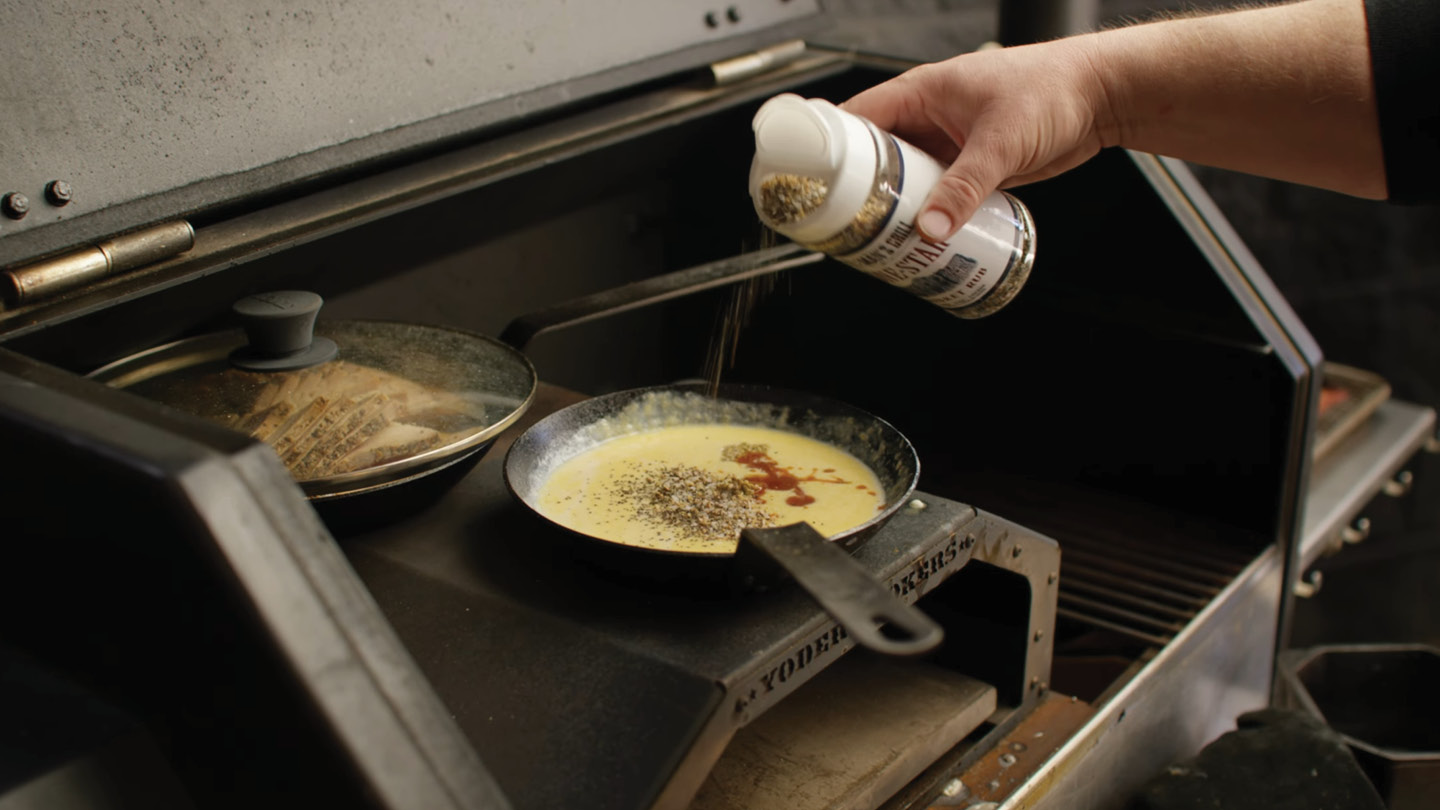
Béchamel is a classical French white sauce made from butter, flour, and milk — the base for many cream-based sauces. Mornay is a béchamel with cheese added to it. In this recipe, the Mornay uses sharp cheddar for flavor depth and American cheese for smooth, non-grainy melting. The Cattleman's Grill Lone Star Brisket Seasoning and Pit Fire Hot Sauce are ATBBQ additions that give the sauce a subtle savory-heat character beyond the original hotel recipe. The Kozlik's Dijon (substitute any Dijon if Kozlik's is unavailable) adds a slight sharpness that cuts through the richness.
Why use both sharp cheddar and American cheese in the Mornay?
Sharp cheddar provides the assertive cheese flavor — the bold, aged character that defines the sauce's taste. American cheese provides smooth, stable melting — its high moisture content and added emulsifying salts prevent the sauce from breaking or becoming grainy at high temperatures. Pure sharp cheddar in a hot sauce can separate into a greasy pool with solid curds; the combination produces a sauce that's both intensely flavored and silky smooth.
Can I substitute the Kozlik's Dijon if it's out of stock?
Yes — any quality Dijon mustard works in this recipe. Grey Poupon, Maille, or a store-brand Dijon all produce equivalent results in the mornay sauce. The Dijon adds sharpness and a subtle acidity that balances the richness of the butter, milk, and cheese; the brand is not critical to the flavor outcome.
What bread works best if I don't have French bread?
The original Brown Hotel recipe uses thick white bread (now often Texas toast). Sourdough and brioche also work well. The key characteristic: the bread needs to be thick enough (at least 3/4") to hold up under the turkey, mornay sauce, and cheese without becoming structurally compromised. Thin sandwich bread will be soggy immediately. Butter the bread generously before toasting — the buttered, toasted face is the structural foundation of the entire dish.
Can I make this indoors?
5 out of 5 — Perfect for indoor or outdoor cooking. A standard 450°F oven with a broiler finish produces results equivalent to the Wood Fired Oven. Make the mornay on the stovetop, assemble in a cast iron baking pan, and broil for the final 5–8 minutes until the cheese skirt forms and the top is golden-brown. The Wood Fired Oven adds dome heat character and the simultaneous multi-zone capability, but the result is identical in a home oven.
Recipe Highlights
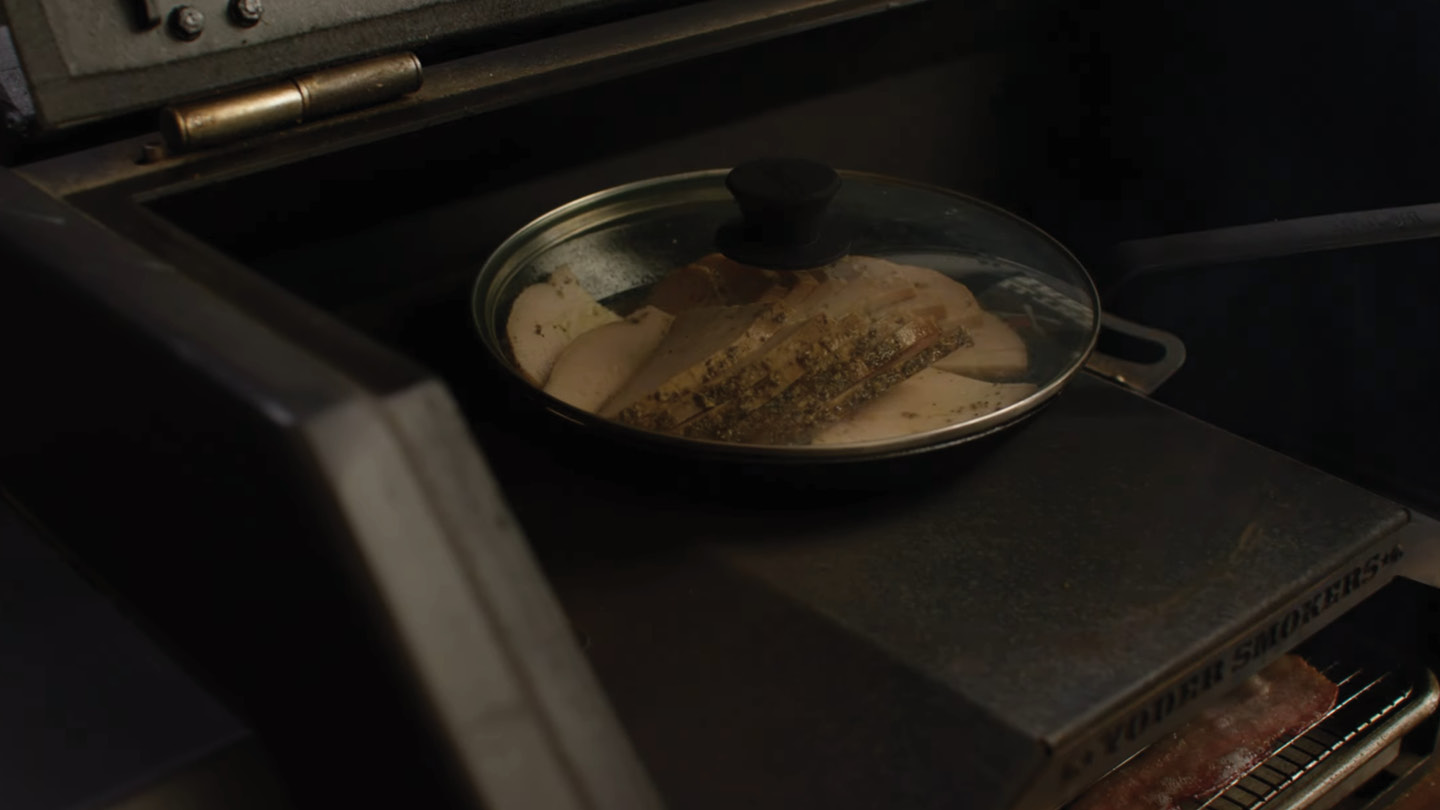
Warm the turkey in stock — don't microwave it: Direction Step 3 reheats the turkey in the Lodge 10" skillet with stock, covered, on top of the oven. The stock provides a steaming environment that keeps the turkey moist and prevents the surface from drying out during reheating. Microwaved turkey loses moisture and can become rubbery; stock-warmed turkey retains its texture and adds flavor from the liquid. This step happens simultaneously with the bacon, so there's no additional wait time.
Make the mornay in the preheated Lodge skillet — don't start in a cold pan: Direction Step 4 preheats the Lodge 8" Steel Skillet inside the wood fired oven before the mornay is made. Starting the roux in a preheated skillet ensures the butter and flour cook properly from the first contact. A cold-start roux cooks unevenly and can leave raw flour flavor in the finished sauce. The hot skillet also helps the milk warm quickly when added, shortening the sauce-building time.
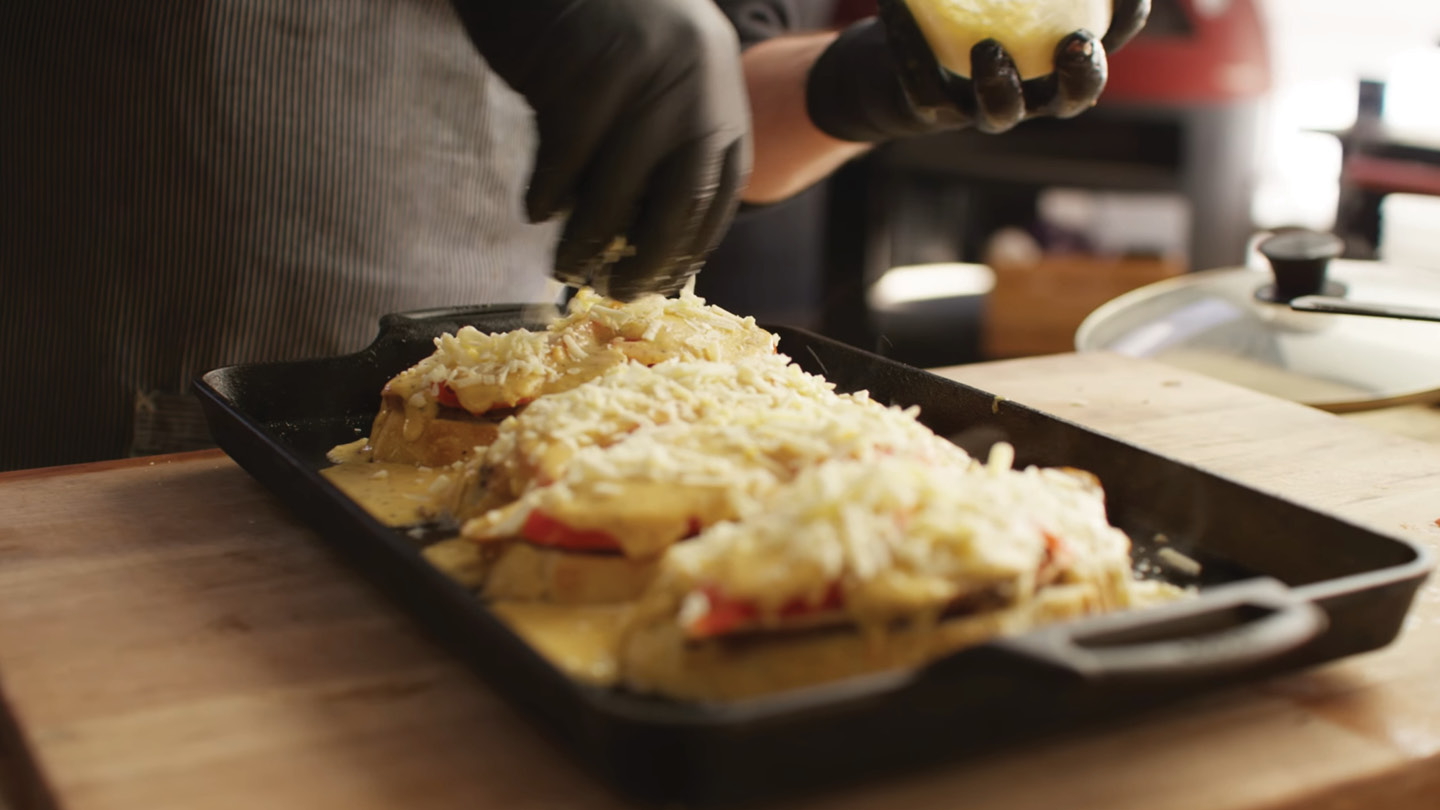
Smother the sandwich in mornay — don't be conservative: Direction Step 6 specifies covering the assembly generously with mornay sauce before adding the shredded white cheddar on top. A thin mornay layer dries out during the 8-minute oven finish, producing a dry, pasty coating rather than the glossy, luscious sauce the recipe is designed around. The mornay should flow to the edges of the bread and begin to form a cheese skirt where it contacts the buttered pan surface. More is correct here.
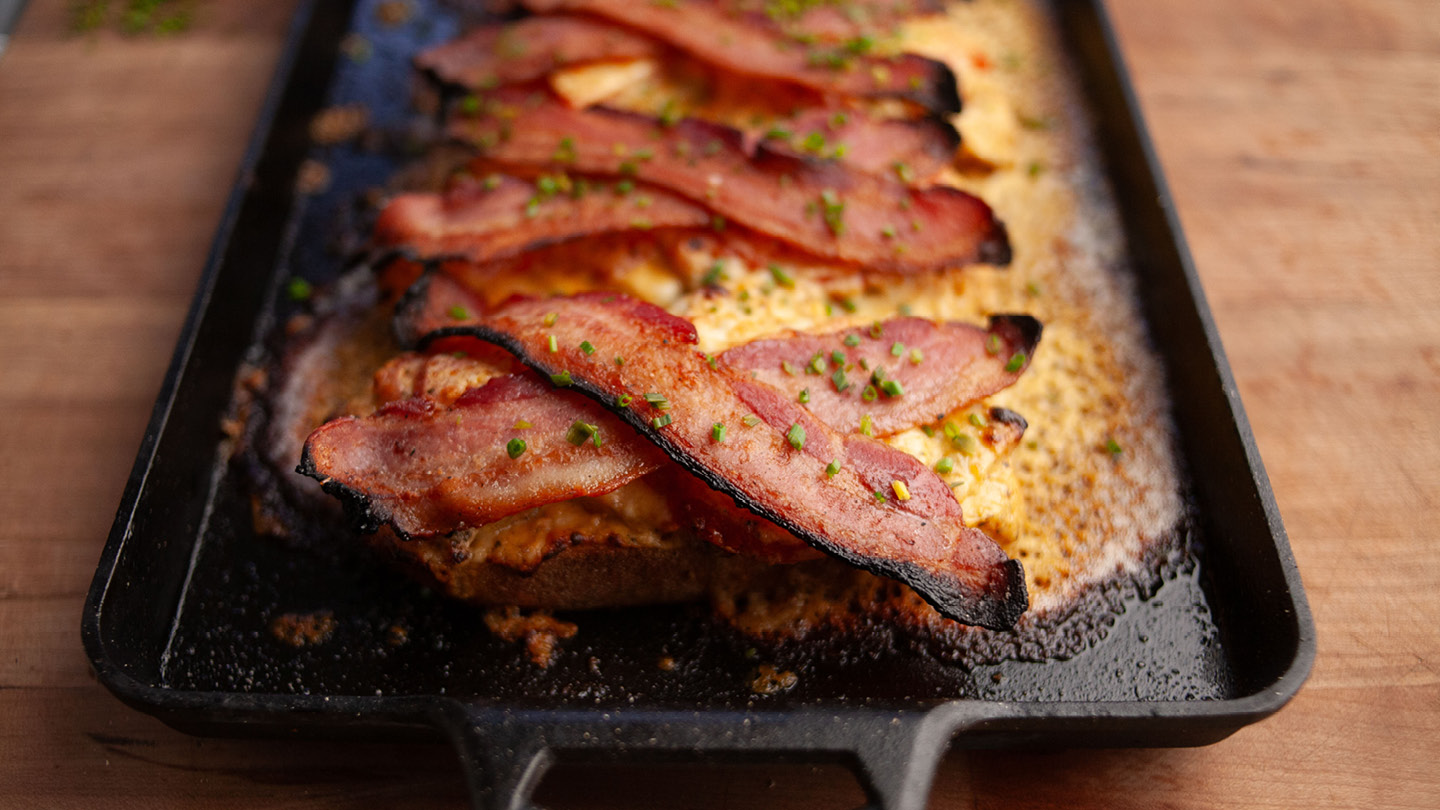
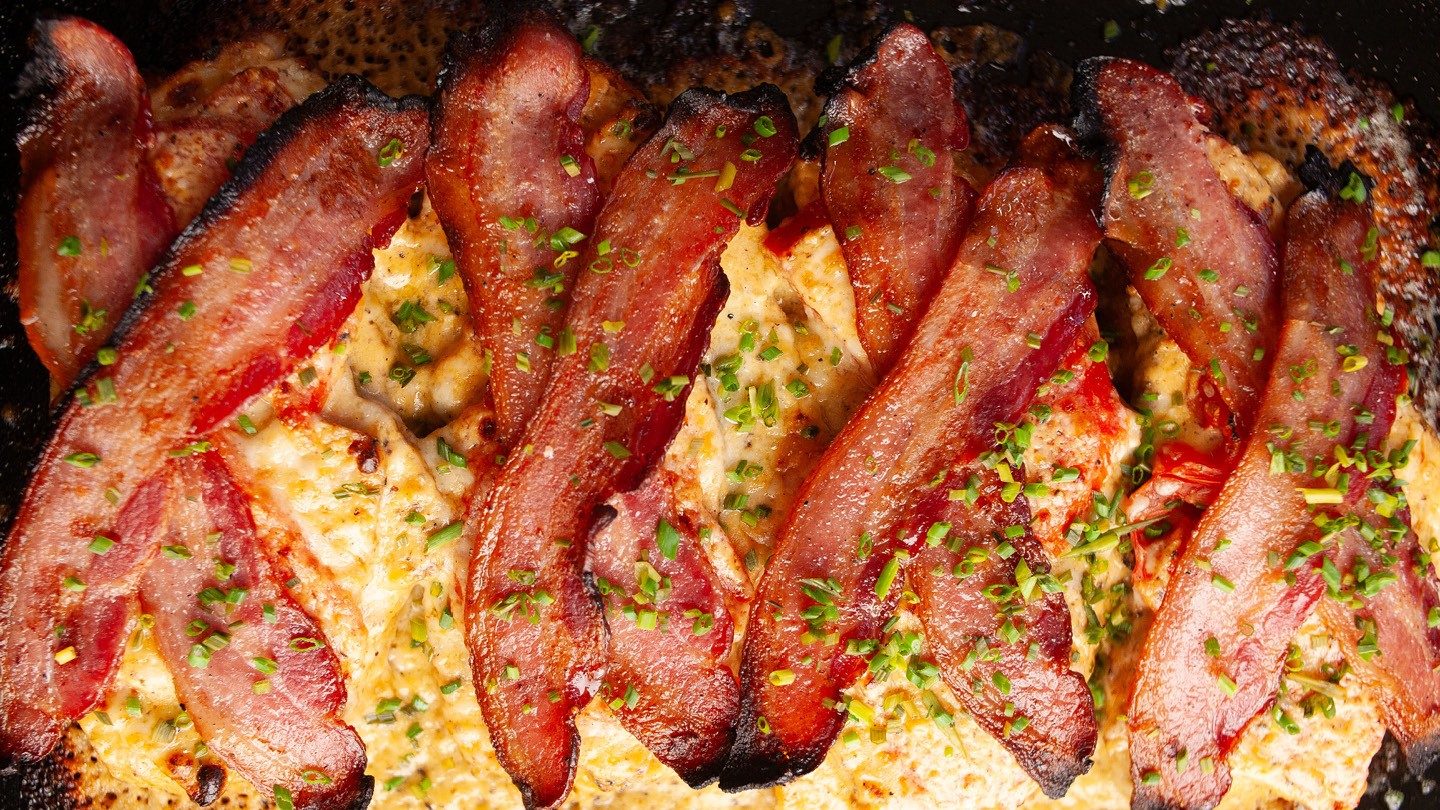
The cheese skirt is the visual signature — let it form: Direction Step 6 specifies cooking "until browned on top, about 8 minutes." The cheese skirt forms when the mornay that has flowed to the pan surface around the bread's edges caramelizes at 450°F, creating the crispy, lacy border that's the Hot Brown's most distinctive visual element. Don't pull the sandwiches early — the 8-minute time is specifically calibrated for the skirt to develop. If the top is browning faster than expected, use the YS640s diffuser door or lower the rack position.
Recommended Recipes