Recipe Note
Recipe FAQ
What is the history of cheese curds?
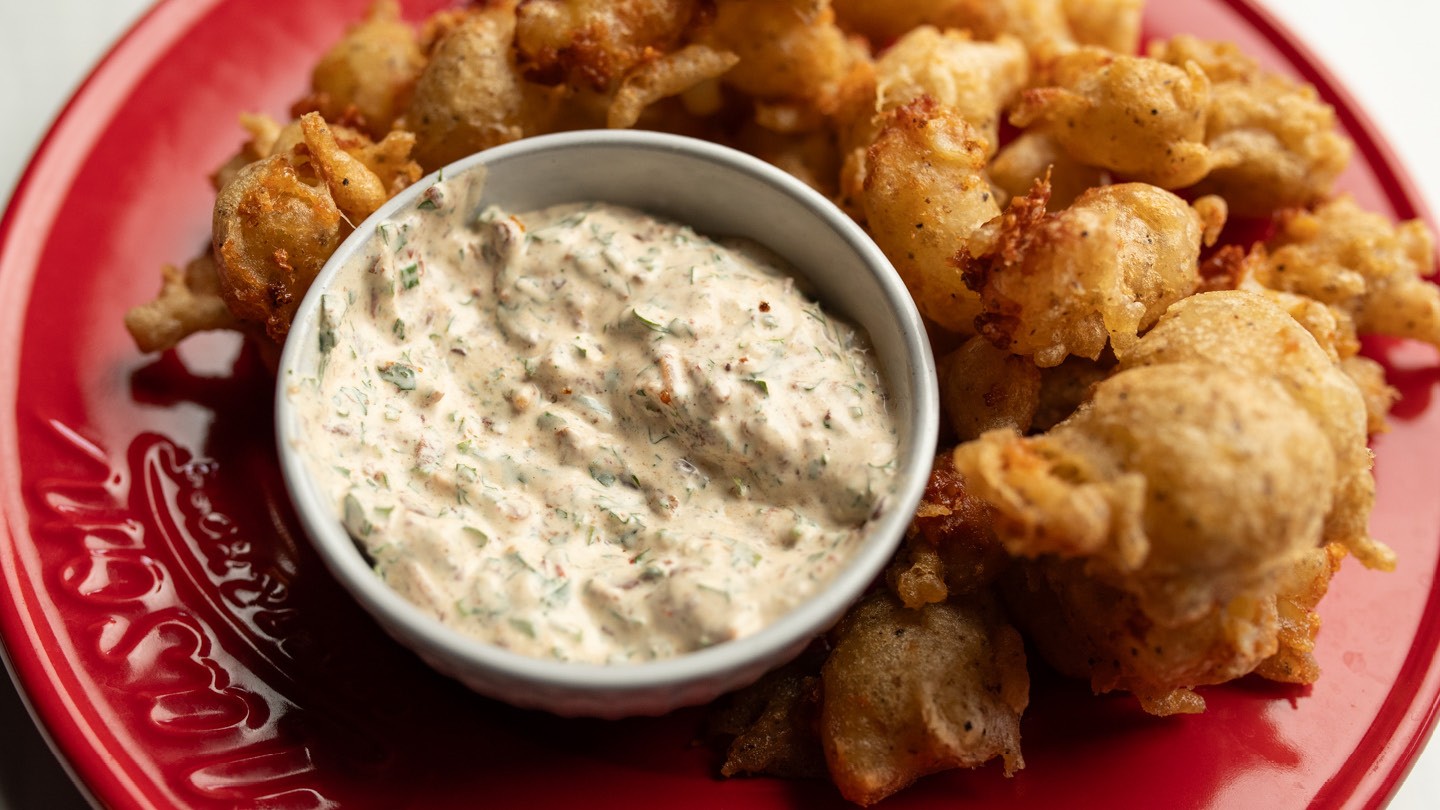
Cheese curds are the fresh, unaged byproduct of the cheesemaking process — the solid portions that separate from whey when milk is curdled. They predate aged cheese by centuries, essentially the earliest form of cheese consumed before pressing and aging techniques were developed. In North America, cheese curds became a cultural staple in Wisconsin, which established itself as the dominant American cheesemaking region in the 19th century with European immigrant dairy traditions. Fresh Wisconsin cheddar curds are famous for their signature squeakiness — a property of the moisture content and protein structure that disappears within hours as the curds age. This recipe cold-smokes the curds before battering and frying, adding a hickory smoke layer to the fresh, squeaky curd character.
Why cold-smoke the curds instead of hot-smoking them?
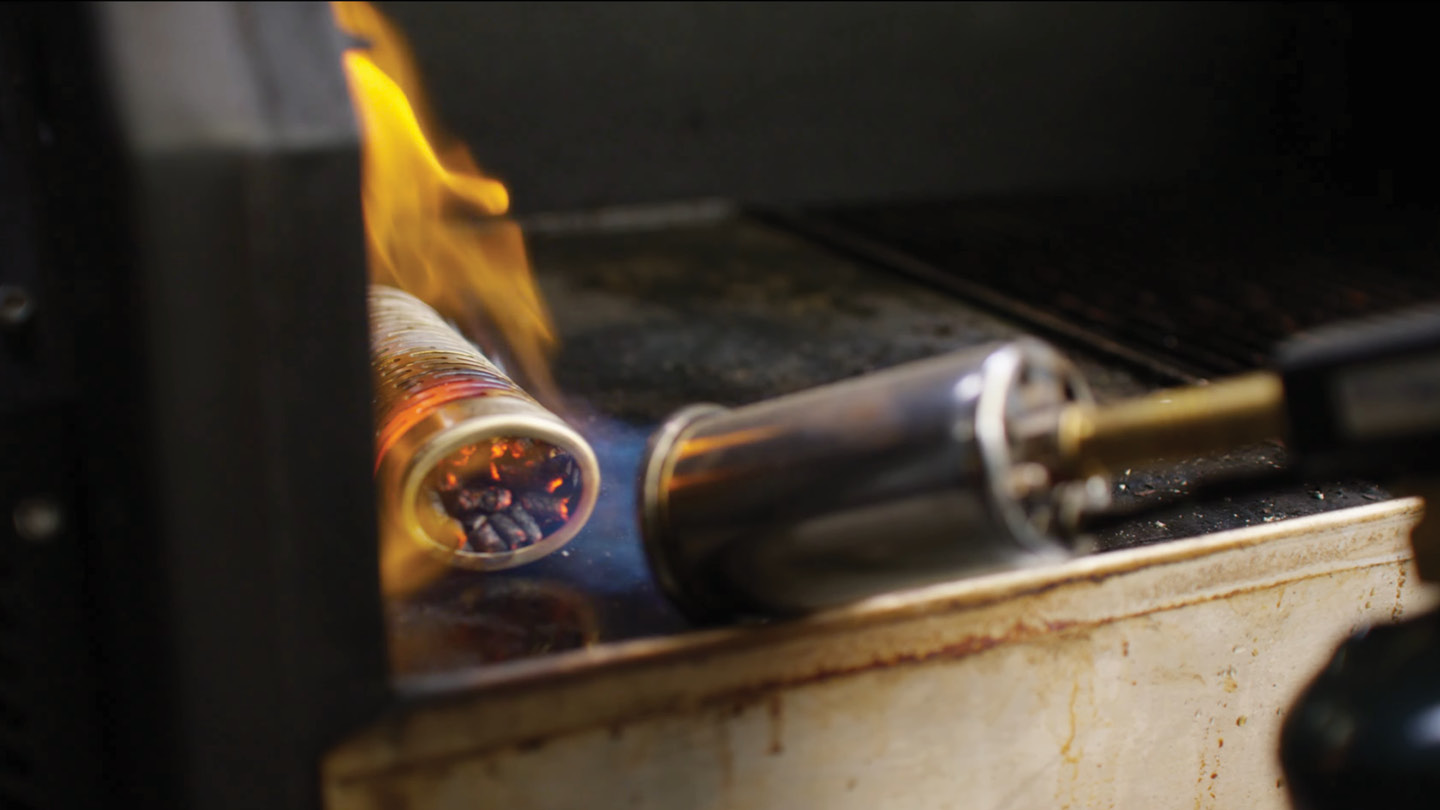
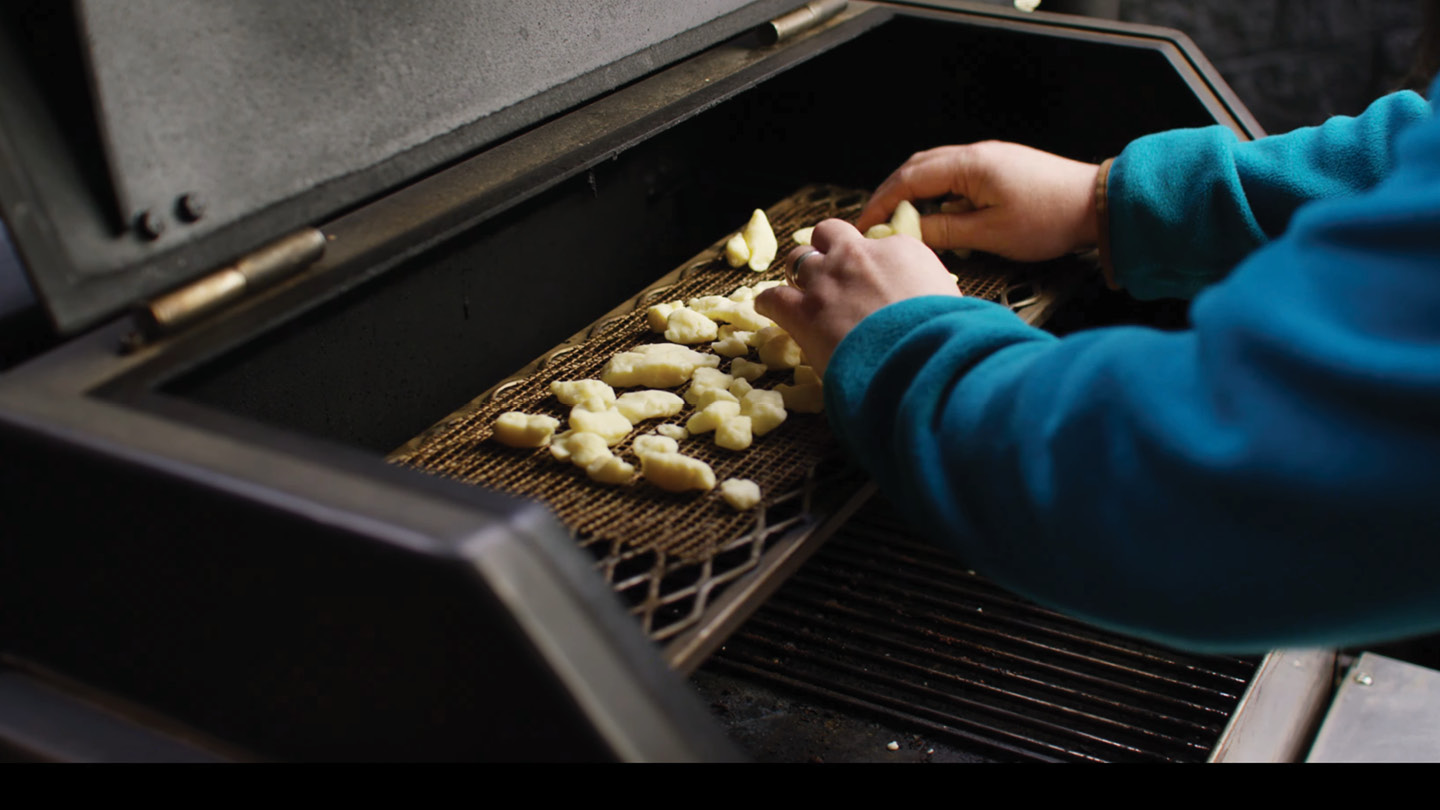
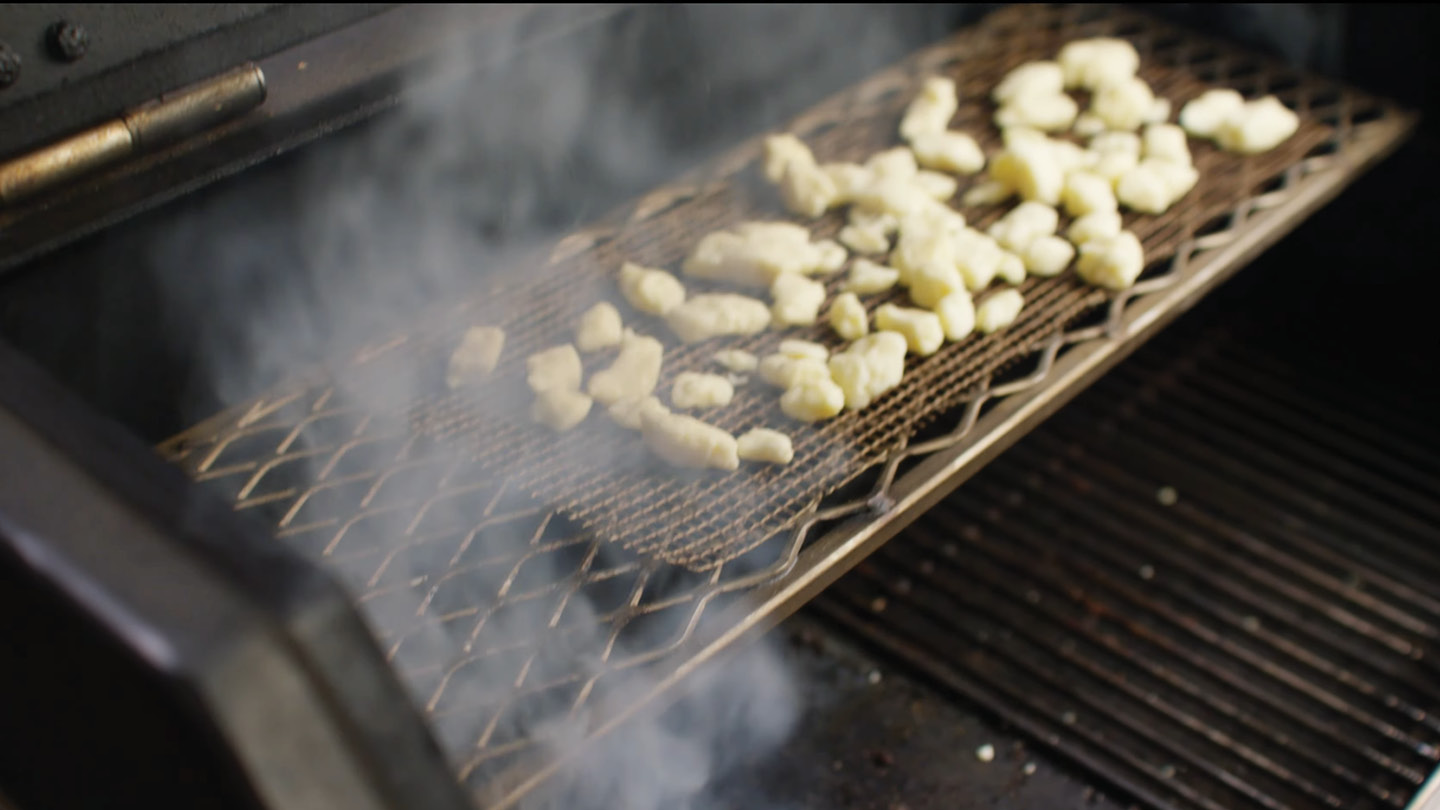
Hot smoking applies both heat and smoke, which would begin melting the cheese curds before they're battered — producing a pool of melted cheese rather than intact curds. Cold smoking uses the A-MAZE-N Tube Smoker on an unlit grill (fans only, no ignition) to circulate smoke without generating heat. The curds remain completely intact and cold throughout the 1–2 hour smoke phase, absorbing wood smoke compounds without any structural change. After cold smoking, they go directly into the refrigerator to firm up before battering.
Why refrigerate the curds after cold smoking?
Direction Step 3 specifies refrigerating the curds after cold smoking before battering. Cold, firm curds hold their shape better when dipped in batter and transferred to the hot oil — warm or room-temperature curds are softer and can begin to melt before the batter sets around them, causing the batter to separate from the curd during frying. The colder the curd going into the oil, the more time the batter has to form a complete crust before the cheese interior starts to melt.
Why use light beer (Michelob Ultra) instead of a heavier beer?
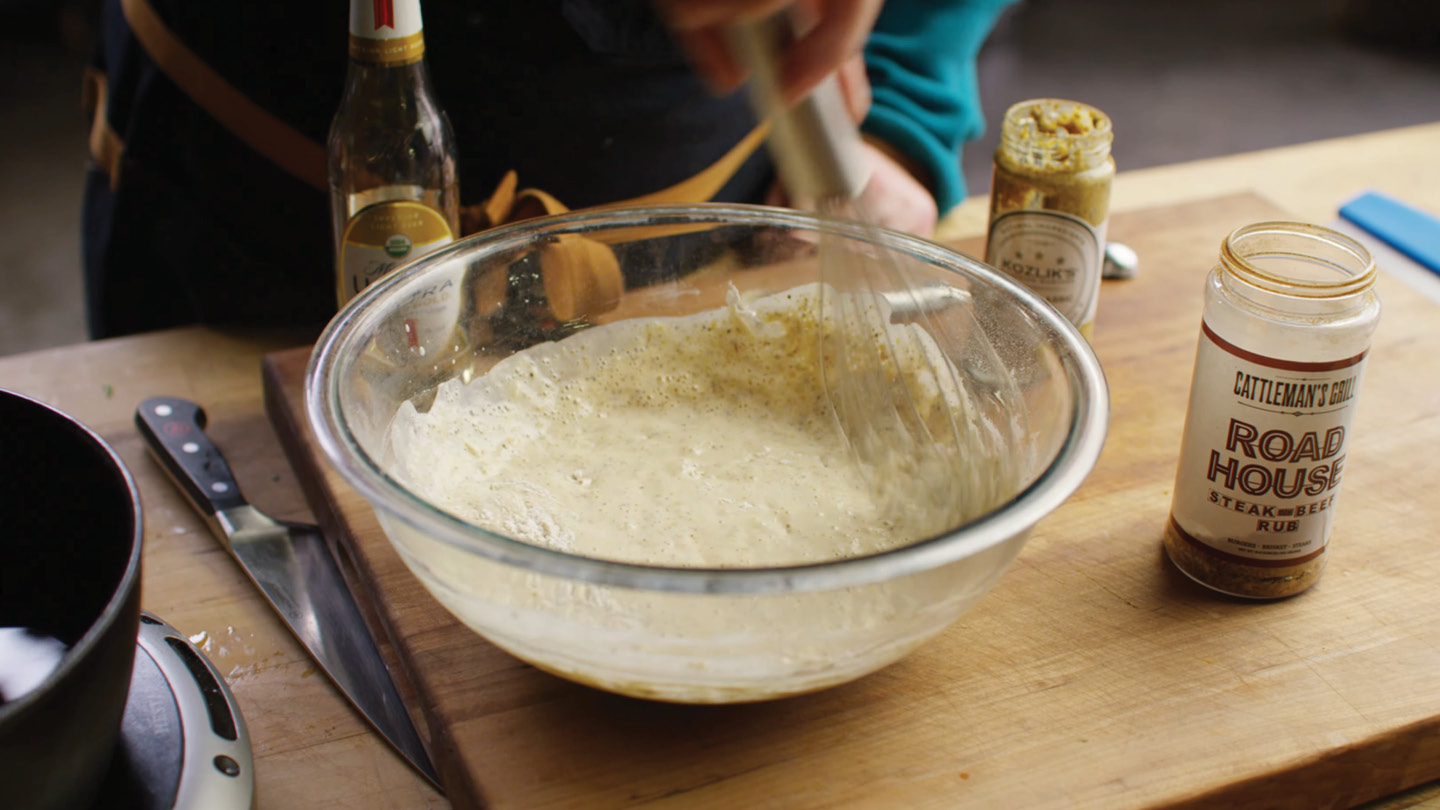
Light beer produces a lighter, crispier batter because it has a lower sugar content and a more neutral flavor than craft or dark beers. Heavier beers contribute more malt flavor and color to the batter, which can overpower the cheese flavor. The carbonation in any beer is what produces the airy texture in the fried batter — the CO2 bubbles create pockets in the batter as it sets in the hot oil. A light beer maximizes carbonation effect without adding competing flavors.
What's the best substitute for Kozlik's Dijon if it's out of stock?
Any quality Dijon mustard works — Grey Poupon, Maille, or a store-brand Dijon all produce equivalent results in the batter. The Dijon's role is functional (emulsification and flavor balance) rather than brand-specific. The one thing to avoid is yellow mustard, which has a sharper, more vinegary flavor that would be more prominent in the batter than Dijon's more complex profile.
Can I make this indoors?
2 out of 5 — Can be done inside, loses key flavor. The frying and Chipotle Bacon Ranch are entirely stovetop. What you lose is the cold-smoke phase — without the A-MAZE-N Tube Smoker on the unlit YS640s, there's no practical indoor cold-smoking method. You could add a small amount of liquid smoke (1/4 tsp) to the batter as a partial approximation, but the nuanced hickory character from actual cold smoking is the defining quality of this recipe and cannot be fully replicated indoors.
Recipe Highlights
Cold-smoke for the full 2 hours if you want a pronounced smoke flavor: Direction Step 3 specifies "at least one hour, or two hours for a heavier smoke flavor." The difference is substantial — one hour produces a subtle background smoke note; two hours produces a clearly smoky curd. Given that the batter and frying add their own flavors on top, the two-hour smoke is recommended to ensure the smoke character remains perceptible in the finished dish.
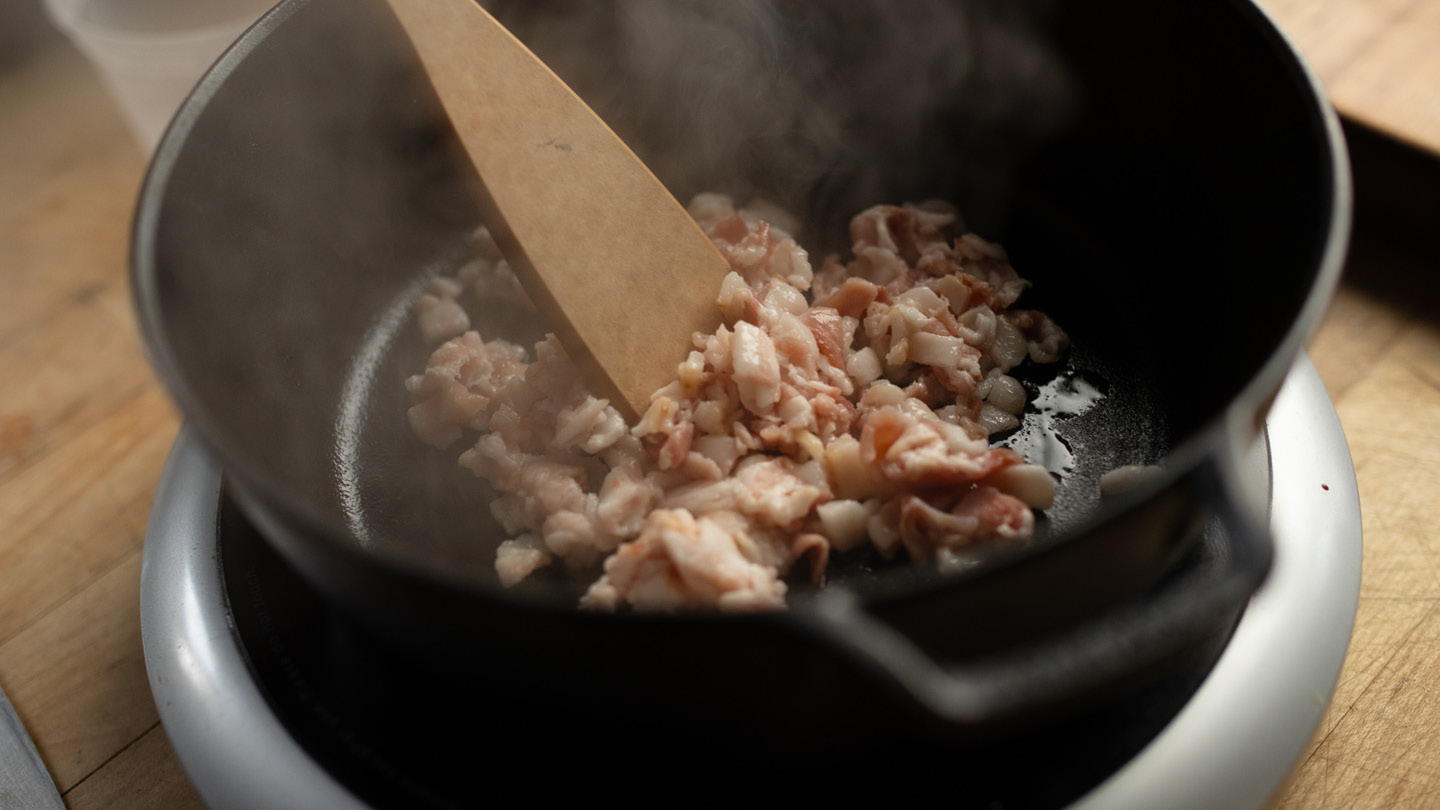
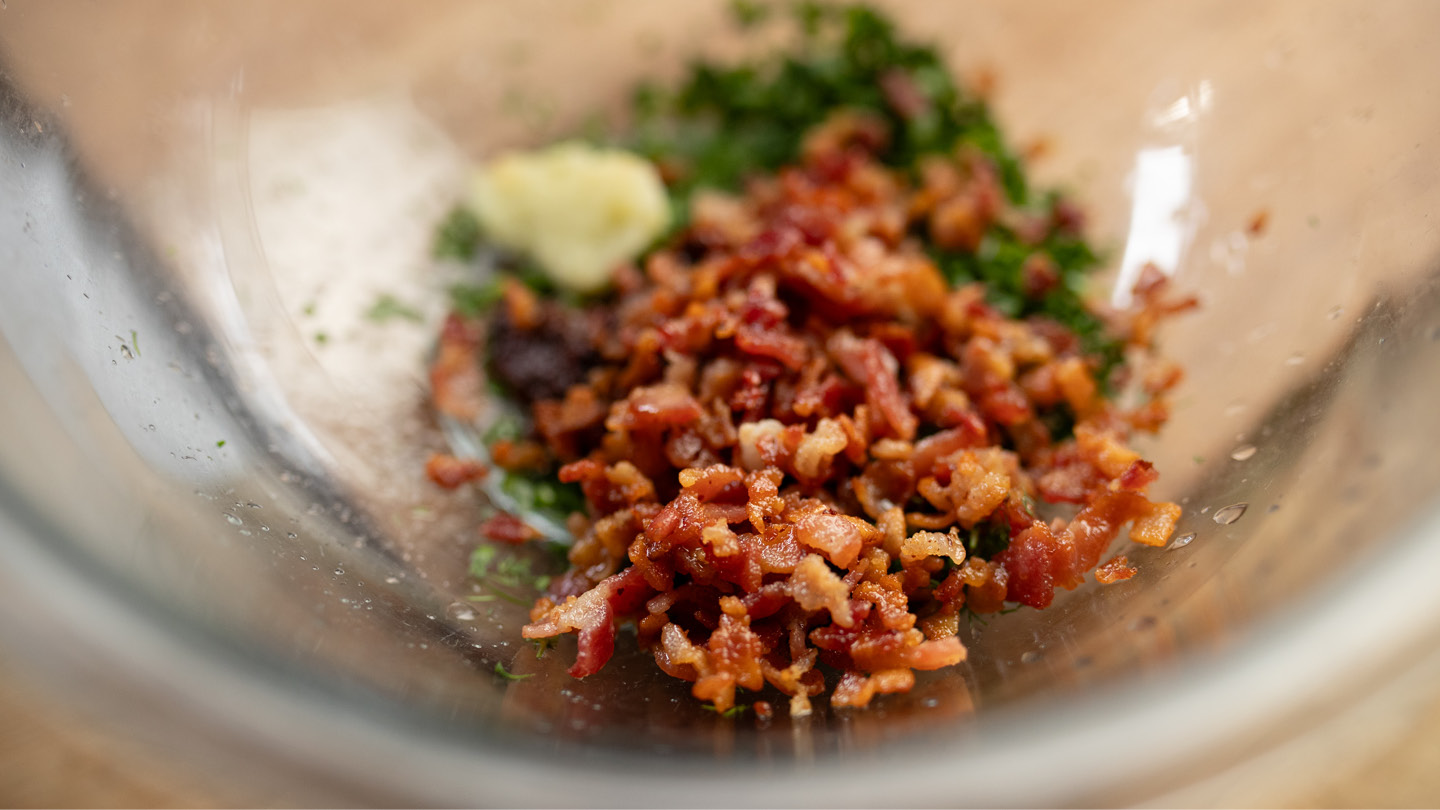
Make the Chipotle Bacon Ranch while the curds are cold smoking — not after: Directions Step 4 specifies making the ranch during the cold smoke phase. The ranch needs at least 30 minutes of refrigeration to allow the flavors to integrate — the garlic and herbs need time to bloom in the dairy base. Making it after the curds are batched and fried means serving it with underdeveloped flavor. The cold smoke phase is the window; use it for both the ranch and the batter prep.
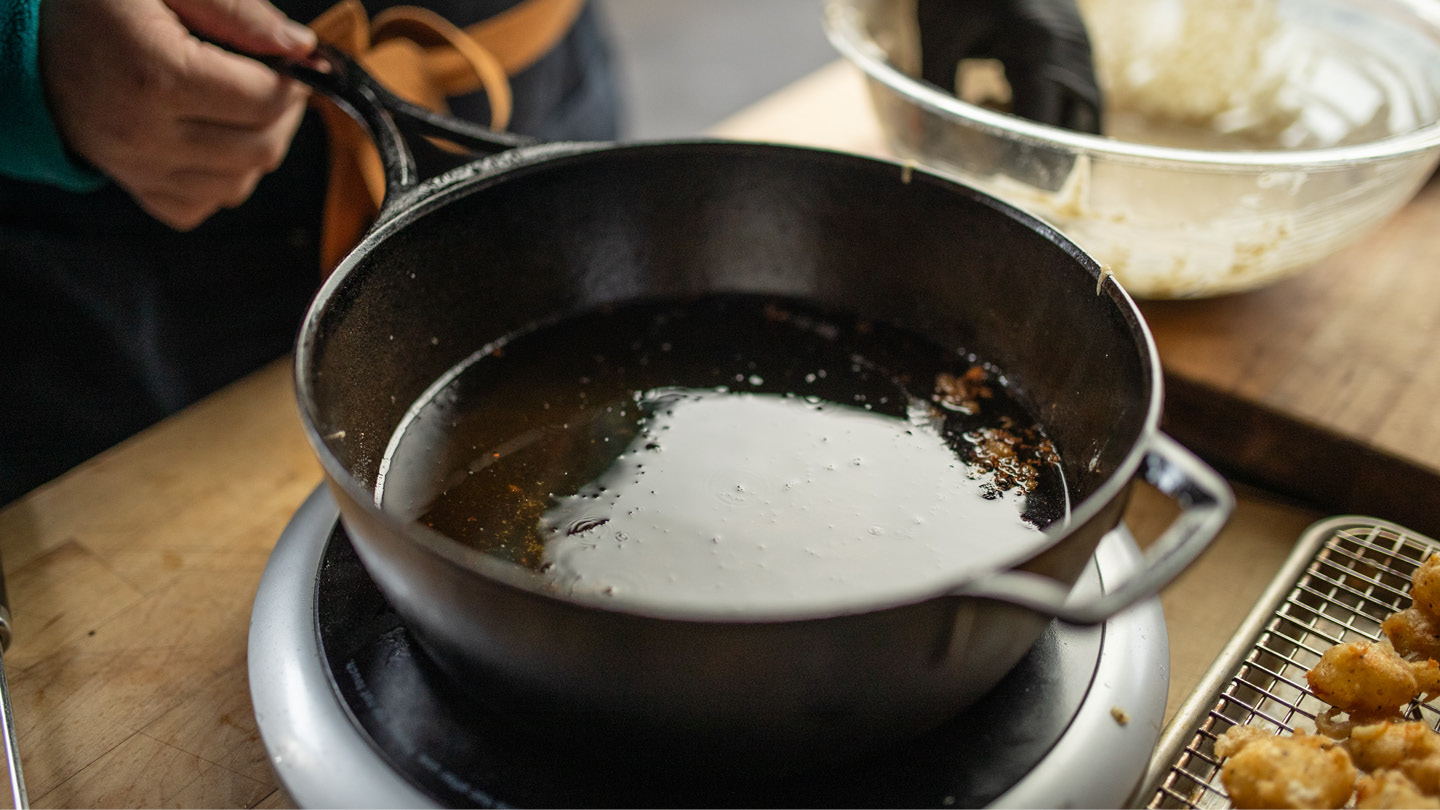
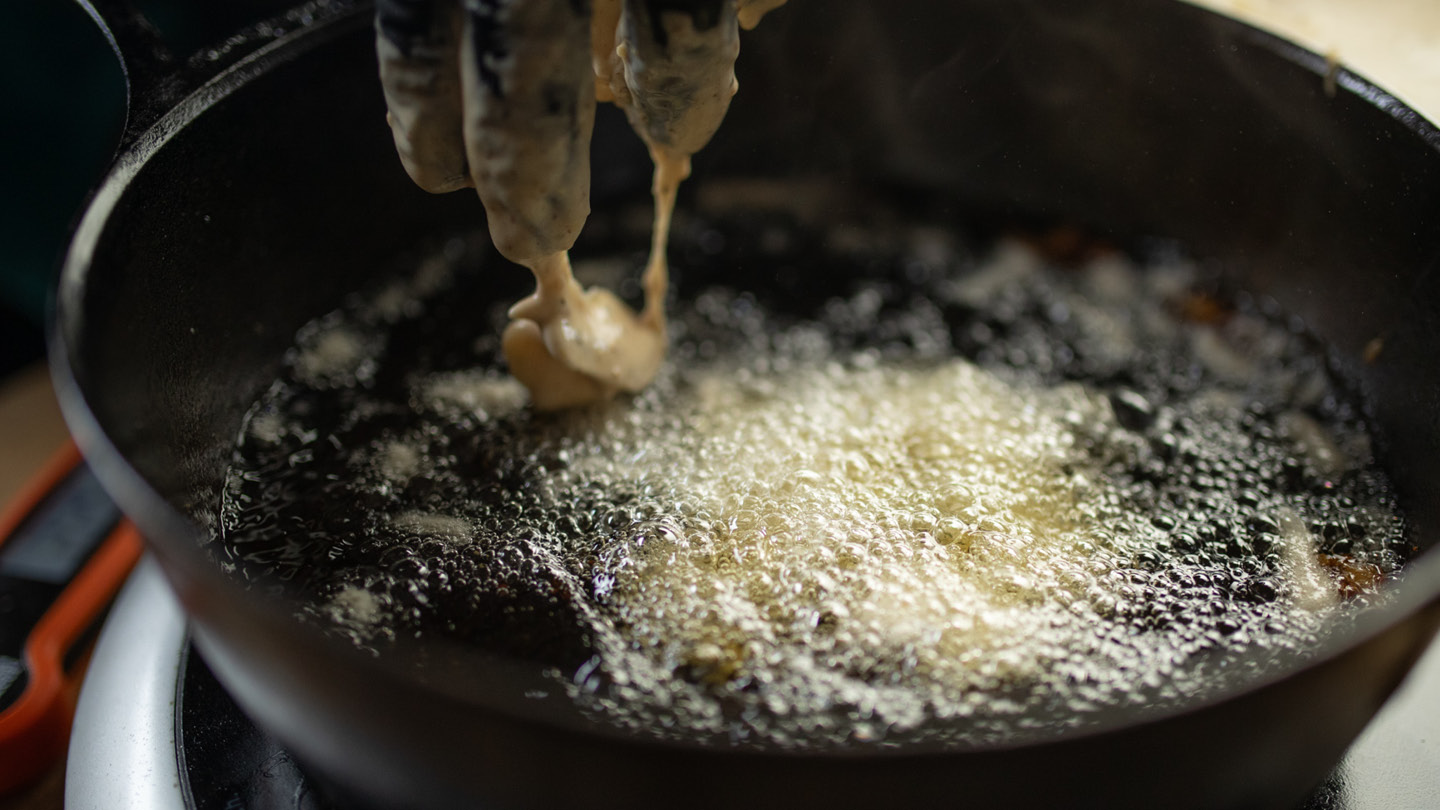
Maintain oil temperature at 375°F between batches — use a thermometer: Direction Step 8 specifies working in batches so as not to overcrowd. Between batches, check the oil temperature and allow it to return to 375°F before adding the next batch. The ATBBQ Digital Thermometer reads oil temperature accurately. A batch that goes in at 340°F produces pale, greasy curds; a batch that goes in at 375°F produces the golden, crispy exterior the recipe is designed around.
Transfer fried curds to a wire rack over a sheet pan — not paper towels: Direction Step 8 specifies a wire rack over a sheet pan. Paper towels trap steam against the batter's bottom surface, softening it within seconds. A wire rack allows hot air to circulate under the curds, keeping the batter crisp on all surfaces while the excess oil drips through. Serve within 3–5 minutes of frying — fried cheese curds soften rapidly as the cheese interior continues to radiate heat.
Recommended Recipes