

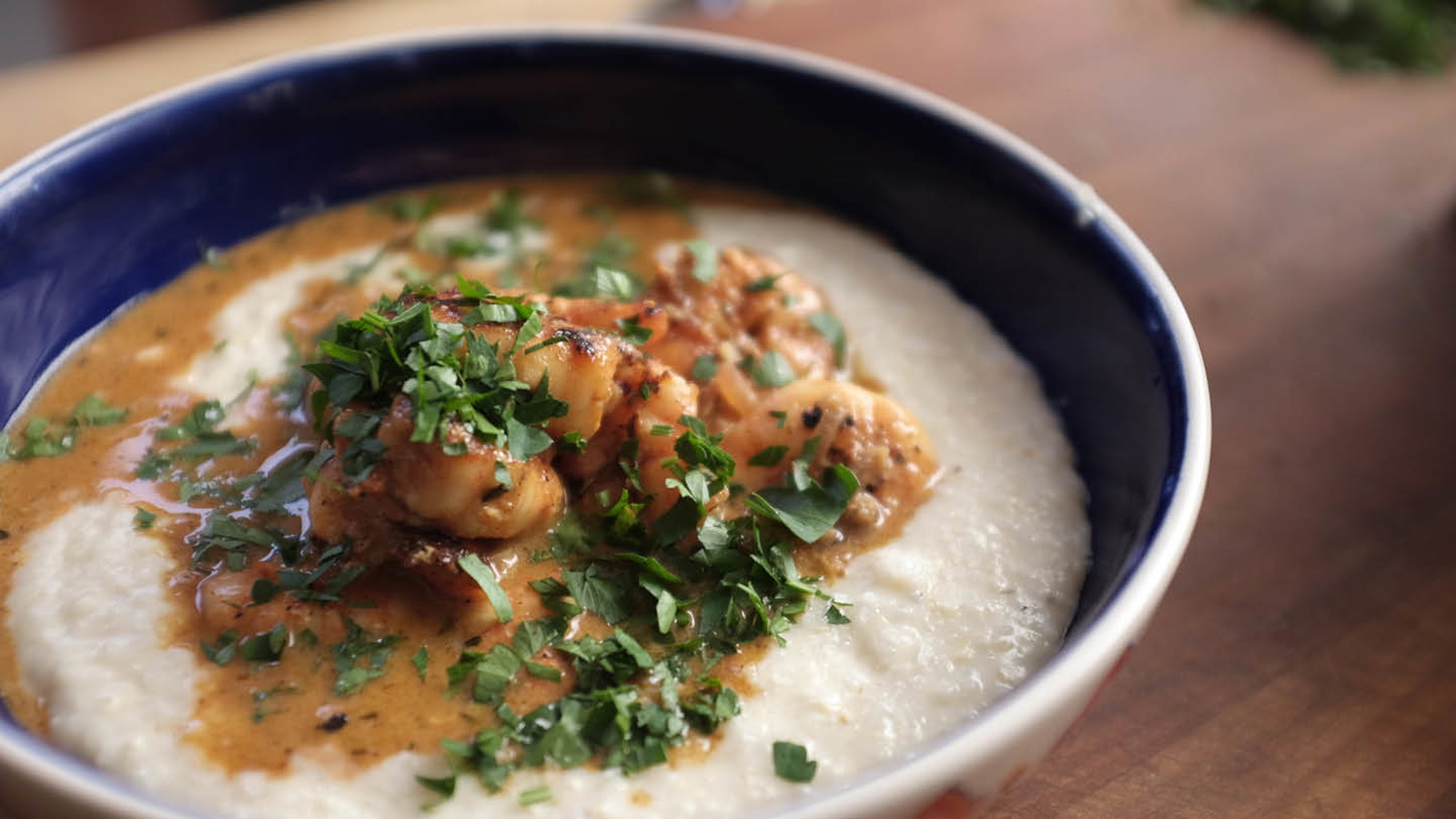
Indulge in a Cajun delight with our Barbecue Shrimp & Grits, with the winner of our Ultimate Holiday Giveaway, Cynthia! This crowd-pleasing dish, perfect for summertime gatherings, serves 12 and features succulent jumbo shrimp seasoned with Cattleman’s Grill Blackening Seasoning, paired with rich, creamy grits infused with smoked cheddar and Parmigiano Reggiano. The shrimp are cooked to perfection on a flat top cooker and finished in a luscious sauce made with Colonial Chile Oil, red onion, garlic, rosemary, Bear & Burton’s The W Sauce, and Sweetwater G13 Hazy IPA, rounded out with a touch of heavy cream and lemon juice. Garnished with fresh parsley, this dish combines bold flavors and luxurious textures, making it the perfect centerpiece for your summertime celebrations.
WHAT YOU'LL LOVE
- The butter-mounting technique produces a proper restaurant-quality sauce: Adding cold, diced butter one piece at a time to the reduced beer-Worcestershire base while stirring constantly emulsifies it into a glossy, rich pan sauce rather than a separated, greasy one — this is the same technique used in classic beurre blanc and is what gives the finished shrimp dish its luxurious texture.
- Shrimp are intentionally undercooked before going into the sauce: The directions specify that the shrimp "do not need to be fully cooked" when they come off the griddle. This is deliberate — they finish cooking in the sauce during the butter-mounting step, which both completes the cook and ensures they absorb the sauce flavor rather than just being coated by it.
- Two-cheese grits elevate the base significantly: Combining smoked cheddar and Parmigiano Reggiano into the finished grits creates a more complex flavor than either cheese alone — the cheddar adds smokiness and sharpness while the Parmesan contributes a savory umami depth that ties to the Cajun sauce above.
- Beer replaces stock as the sauce liquid: Using Sweetwater G13 Hazy IPA instead of chicken or shrimp stock adds a hoppy bitterness and citrus character that cuts through the richness of the butter sauce in a way stock can't — the beer's flavor reduces and concentrates rather than disappearing entirely.
Barbecue Shrimp & Grits with Cynthia
Tom Jackson
Rated 4.6 stars by 5 users
Category
Seafood
Cuisine
Cajun
Servings
12
Prep Time
25 minutes
Cook Time
40 minutes
Calories
417
Experience the perfect blend of Southern comfort and gourmet flair with our Barbecue Shrimp & Grits. This dish combines succulent jumbo shrimp, seasoned to perfection with Cattleman’s Grill Blackening Seasoning and cayenne, with creamy, cheese-laden grits made from yellow stone ground grits, smoked cheddar, and Parmigiano Reggiano. The shrimp are cooked on a flat top griddle, then simmered in a rich, savory sauce featuring red onion, garlic, rosemary, Worcestershire, hot sauce, beer, and a hint of cream and lemon juice. Topped with fresh parsley for a burst of color and flavor, this recipe is perfect for impressing guests at any gathering, bringing together the best of bold barbecue flavors and comforting grits.
Ingredients
-
2 lb jumbo shrimp, peeled, deveined, tails off
-
Cattleman’s Grill Blackening Seasoning
-
1/4 tsp cayenne powder
-
1/2 cup fresh parsley, minced, for garnish
-
1 tbsp Colonial Chile Oil
-
1/2 cup red onion, small dice
-
2 tbsp minced garlic
-
1 tbsp rosemary
-
1 tsp Cattleman’s Grill Blackening Seasoning
-
1/4 cup Bear & Burton’s The W Sauce (Worcestershire)
-
1 tbsp Cattleman’s Grill Pit Fire Hot Sauce
-
1 cup beer (We used Sweetwater G13 Hazy IPA)
-
2 tbsp heavy cream
-
1/2 cup unsalted butter, diced
-
Juice of 1 lemon
-
1 3/4 cups yellow stone ground grits
-
1 cup heavy cream
-
1 cup chicken stock
-
4 oz smoked cheddar, grated
-
2 oz Parmigiano Reggiano, fine grated
-
2 oz unsalted butter
-
Jacobsen Salt Co. Kosher Sea Salt, to taste
For the sauce:
For the grits:
Directions
To make the grits, bring the water to a boil in a Blacklock 4 quart deep skillet. Slowly add grits whisking constantly until all grits are incorporated. Bring the mixture to a simmer, then reduce the heat to low. Cook, stirring frequently to avoid scorching, until the grits are thickened and al dente in texture (softened but not mushy).
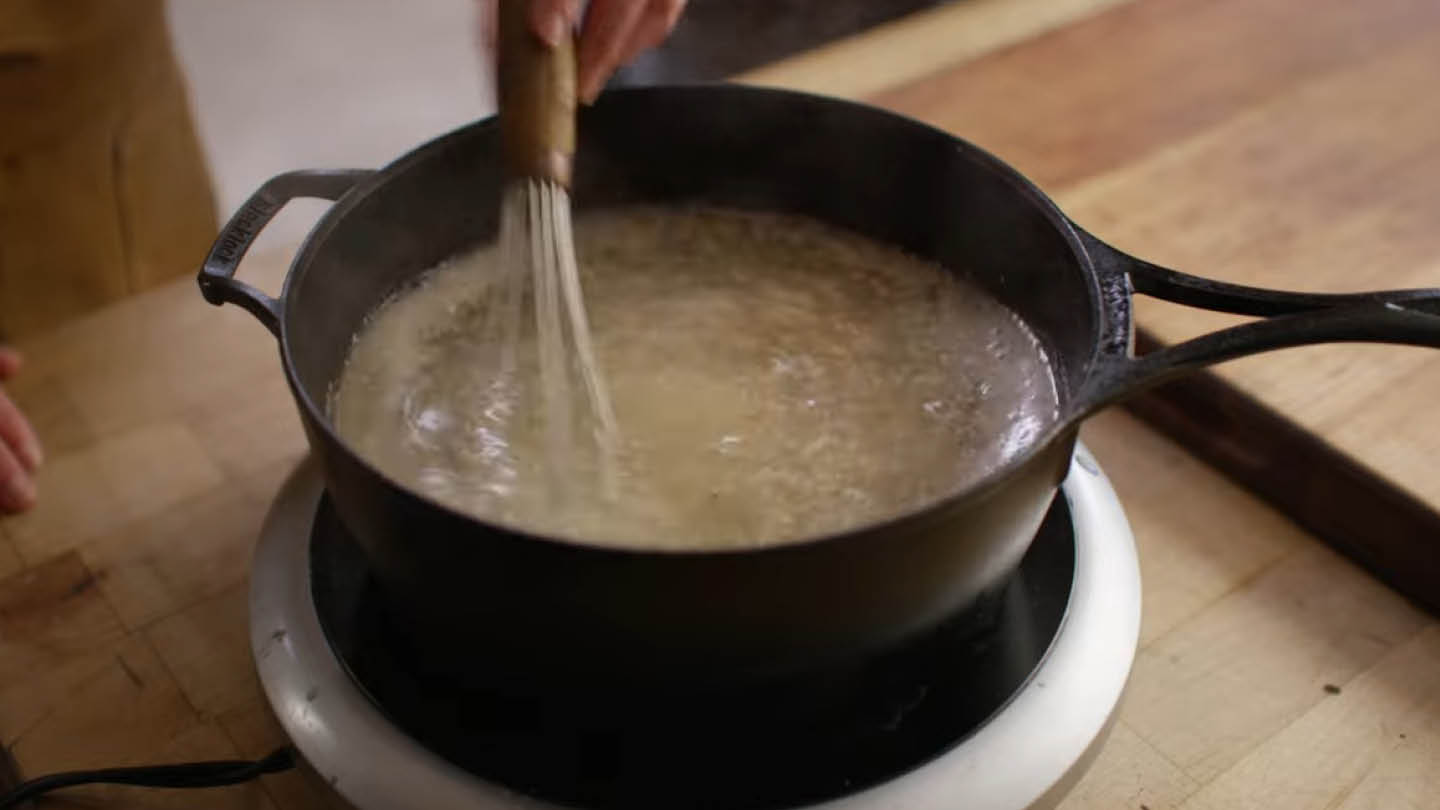
Combine the heavy cream and chicken stock in a Lodge 8” Cast Iron Skillet. When the grits are thickened and softened, whisk in the hot cream and milk mixture and bring back to a simmer. Remove from the heat and stir in the cheeses and butter. Cover with a lid and set aside.
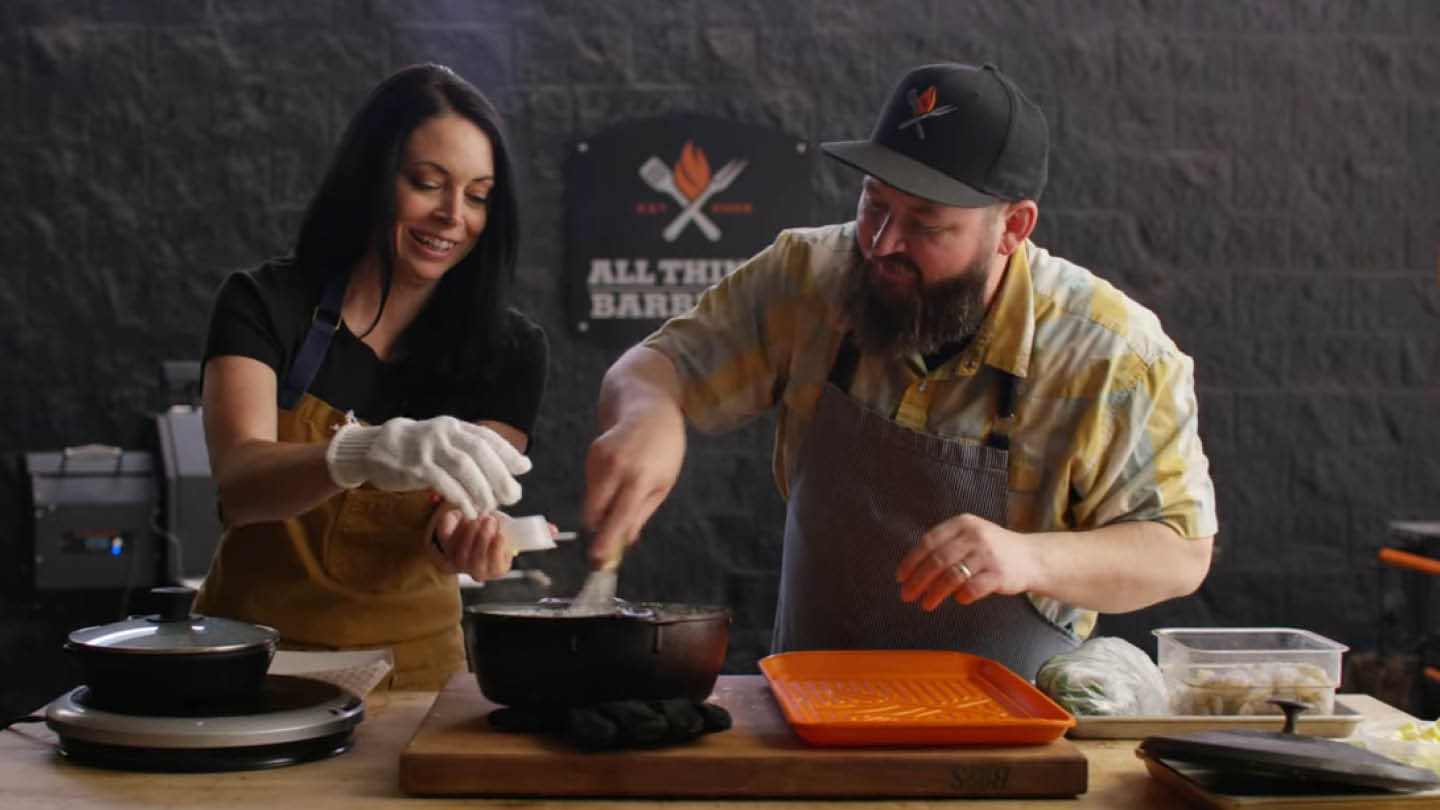
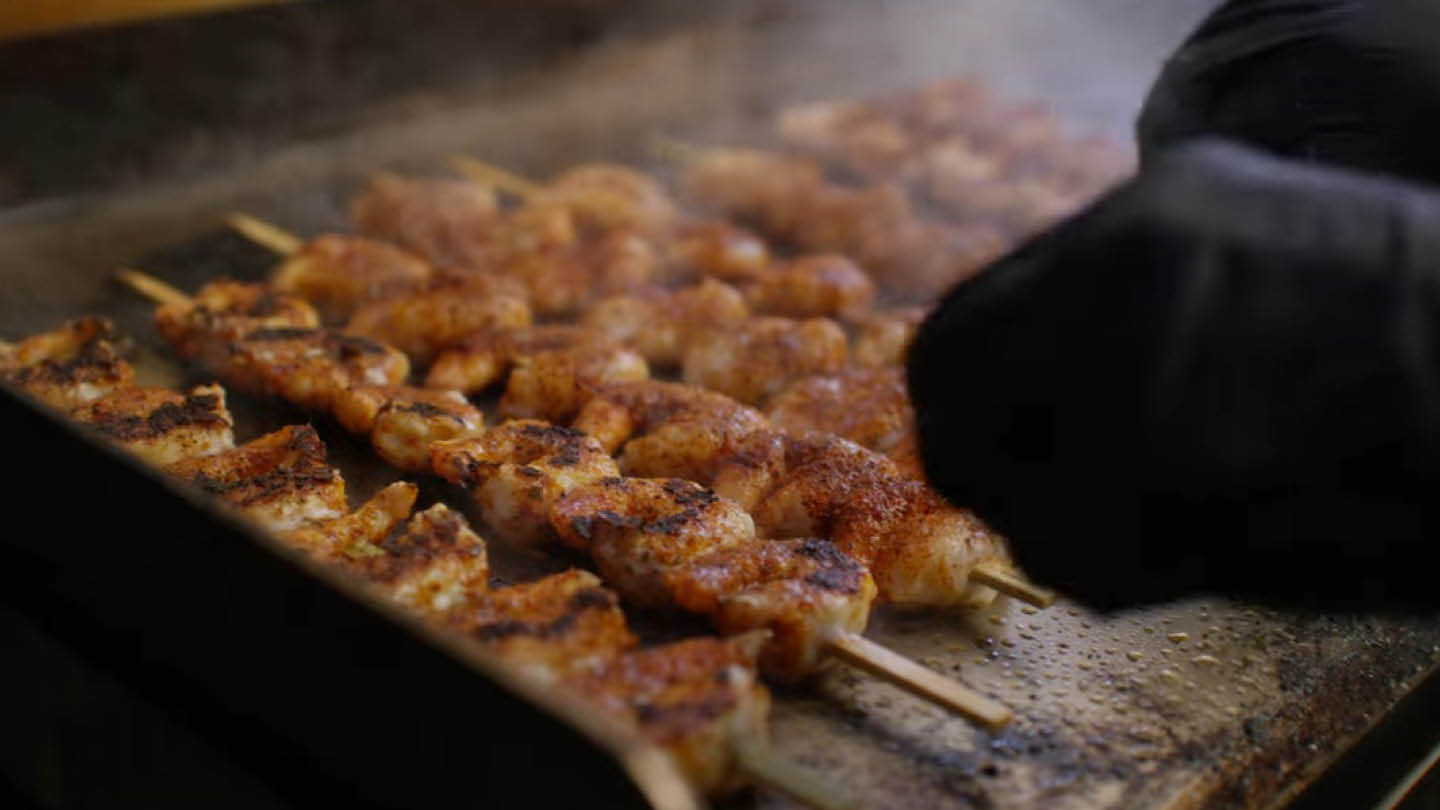
Thread the shrimp onto skewers. Season on both sides with the Cattleman’s Grill Blackening Seasoning. Cook the skewered shrimp on the griddle, cooking with the lid open. Brown the surface of the shrimp, then flip. Repeat. Remove from the grill. The shrimp do not need to be fully cooked at this point.
To make the sauce, heat the oil in a Lodge 12” steel skillet. Add the onion and cook over
medium heat until lightly browned around the edges.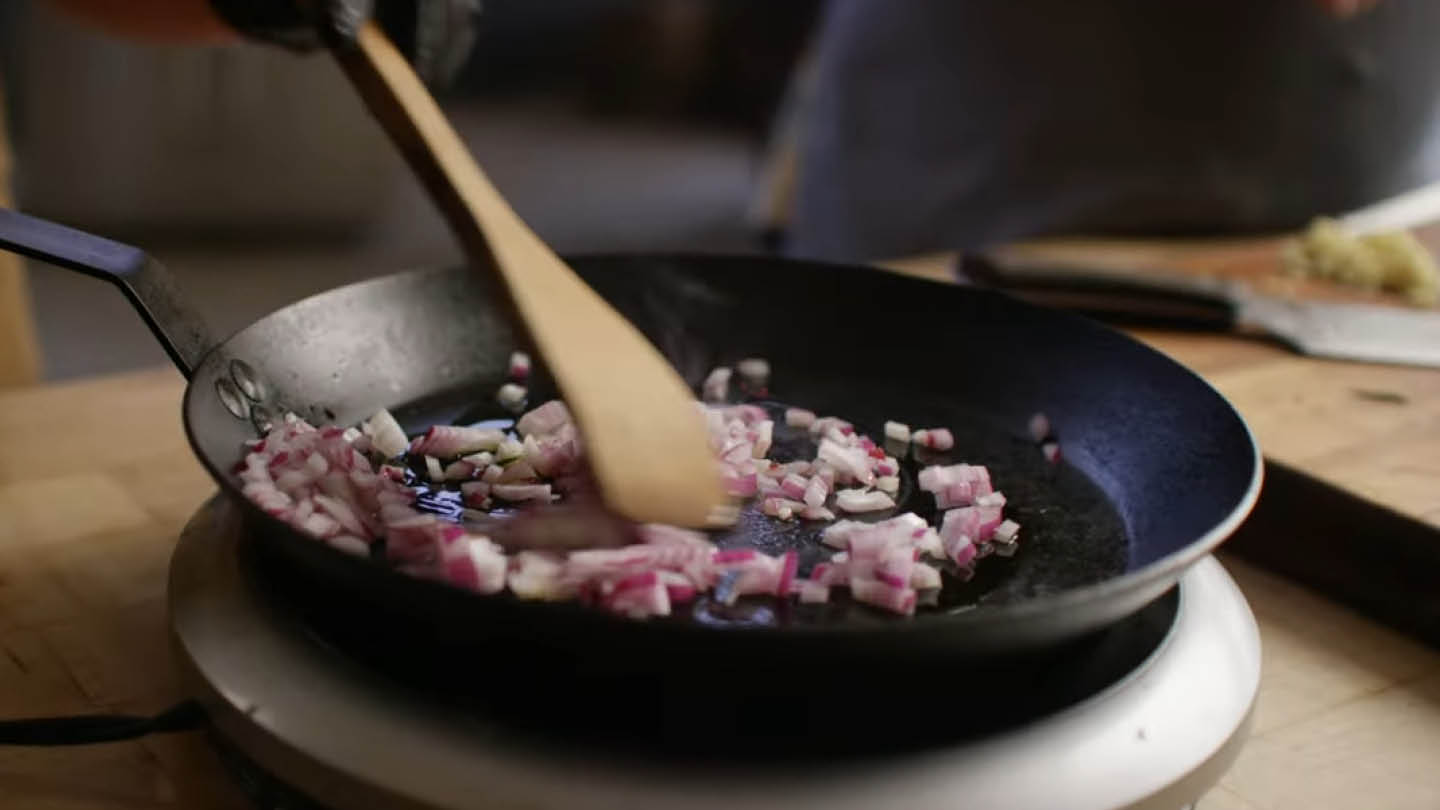
Add the garlic, rosemary and Cattleman’s Grill Blackening Seasoning. Cook for about one
minute, until fragrant, but not browned.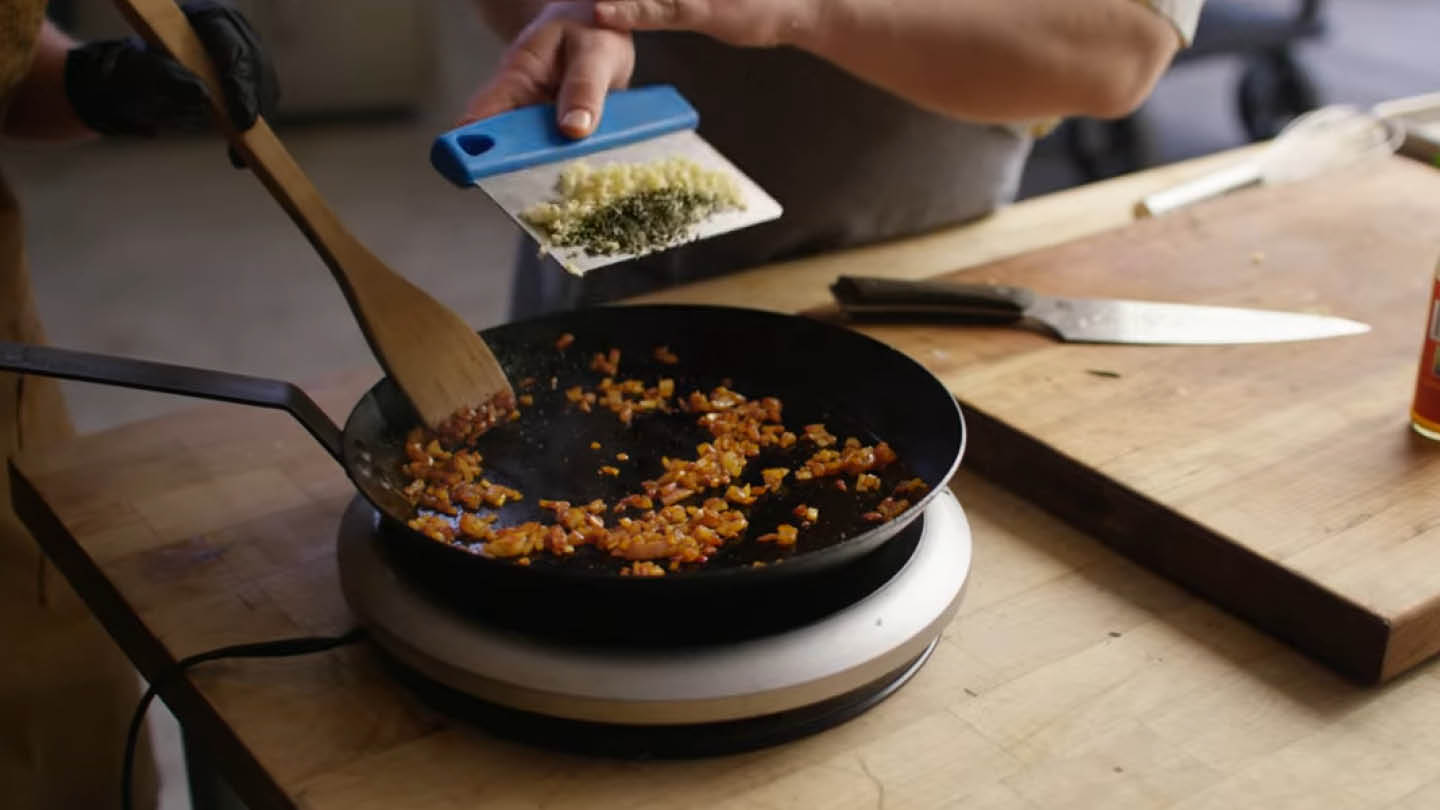
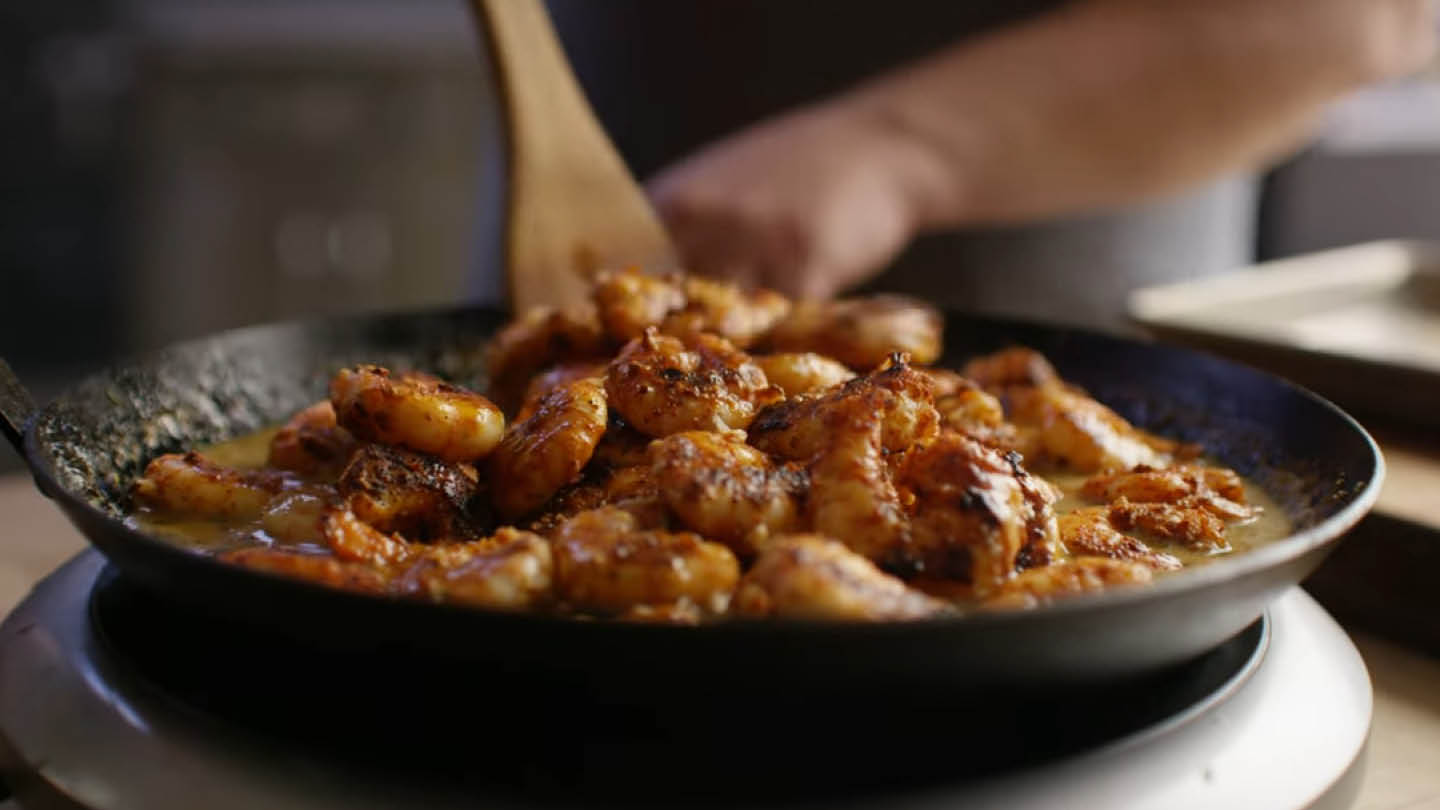
Add the W sauce and beer. Bring to a simmer and reduce by half. Stir in the cream, then reduce the heat to low. Add the shrimp. Then begin adding the butter slowly, stirring constantly and adding more butter as it melts until all butter is incorporated. Taste and season with salt and lemon juice as needed.
Serve the shrimp and sauce over the grits. Top the BBQ Shrimp & Grits with fresh minced
parsley for garnish, and of course, more hot sauce.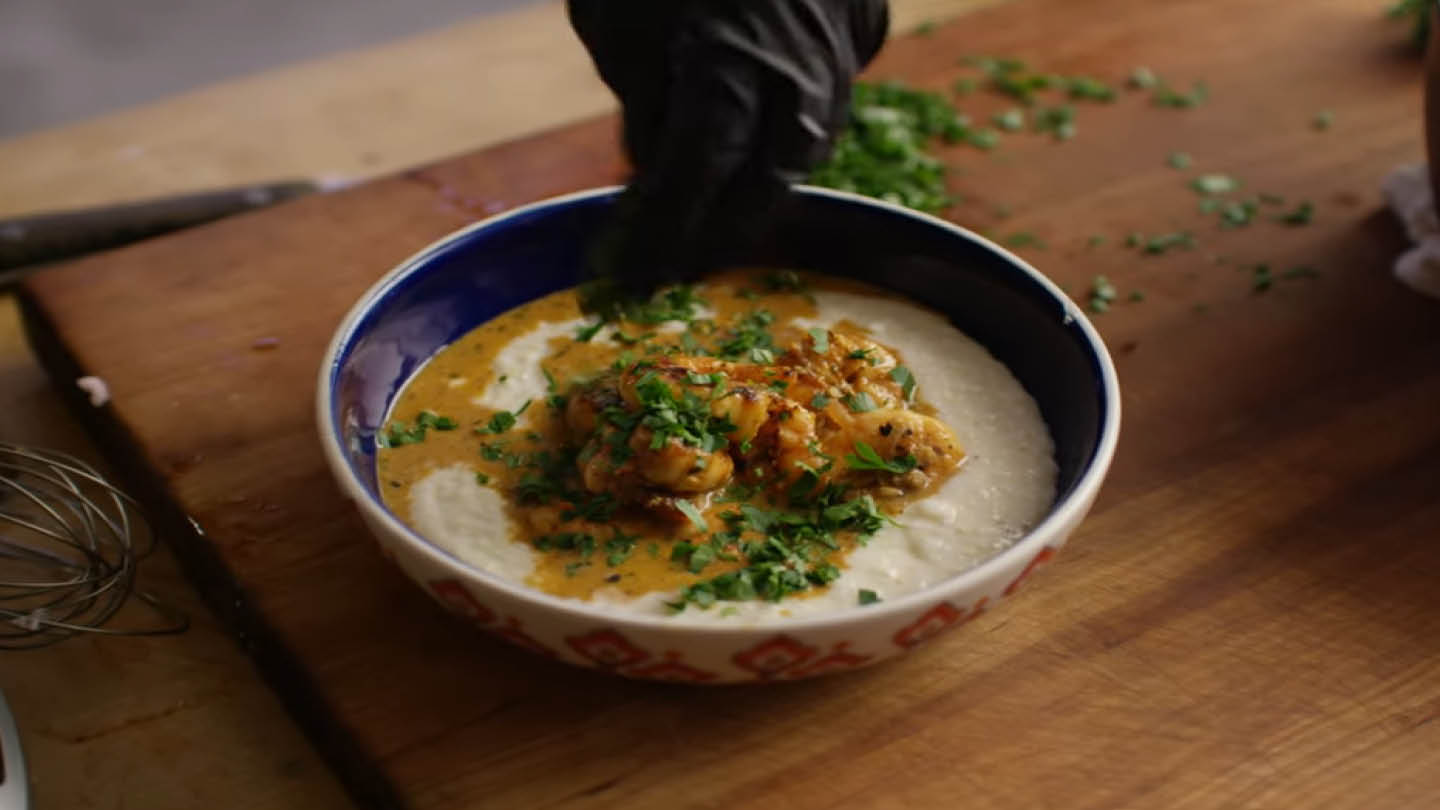
Recipe Note
Recipe FAQ
What is the history behind shrimp and grits?
Grits trace their origins to pre-Colonial America with the Muscogee tribe, who shared their preparation methods with settlers. The dish became widely popular in the South and remained primarily a regional staple until 1985, when North Carolina chef Bill Neal's recipe for cheese grits topped with shrimp was published by The New York Times. That exposure transformed shrimp and grits from humble Southern comfort food into one of the most recognized dishes in American regional cuisine, appearing on restaurant menus nationwide.
Why are the shrimp intentionally undercooked on the griddle?
The shrimp are pulled from the griddle before they're fully cooked because they'll finish cooking in the sauce during the butter-mounting step. This two-stage approach has two advantages: it prevents the shrimp from overcooking and turning rubbery, and it allows them to absorb the beer-Worcestershire sauce flavor during the final simmer rather than just sitting on top of a sauce they never cooked in.
What does "mount with butter" mean in the sauce step?
Mounting butter (called monter au beurre in French technique) means adding cold, diced butter to a hot reduced liquid gradually while stirring constantly. This creates an emulsion — the fat disperses into tiny droplets suspended throughout the liquid rather than separating to the surface. The result is a glossy, creamy sauce with a rich body. Adding butter too quickly or when the pan is too hot breaks the emulsion and produces a greasy, separated sauce.
Can I substitute a different beer?
Yes — any hoppy, citrus-forward IPA works well; the hops and citrus cut through the butter and cream richness in the same way Sweetwater G13 does. A wheat beer or pale ale are reasonable alternatives with slightly different character. Avoid dark beers like stouts or porters, which would shift the sauce flavor toward bitter chocolate notes that don't suit the Cajun profile.
What color grits should I use — yellow or white?
The ingredient list specifies yellow stone ground grits, which have a slightly more robust, corn-forward flavor than white grits. White stone ground grits (like Marsh Hen Mill's offering in the products widget) are milder and creamier — both work well with this recipe, but confirm which you're using and align the ingredient list and product link to match.
Can I make this indoors?
4 out of 5 — Great in the kitchen, better on the grill. The grits and sauce are entirely stovetop. A cast iron skillet over high heat sears the shrimp effectively with the same blackening seasoning — you lose the flat-top griddle character slightly but the technique is identical. The outdoor flat-top gives more even heat distribution across larger batches.
Recipe Highlights
Add the grits to boiling water slowly while whisking constantly: Dumping all the grits in at once creates lumps that are nearly impossible to remove once formed. A slow, steady stream while whisking continuously incorporates the grits evenly and produces a smooth, lump-free base before the simmer even begins.
Whisk in the hot cream-stock mixture, not cold: Directions Step 2 specifies combining the heavy cream and chicken stock in a separate skillet before adding it to the grits. Adding cold dairy to hot grits causes them to seize and clump; adding it hot keeps the texture smooth and allows the cheeses and butter to incorporate evenly when added afterward.
Reduce the beer-Worcestershire by half before adding cream: The full cup of beer needs to reduce significantly before the cream goes in — adding cream to unreduced liquid produces a thin, watery sauce. The reduction concentrates the beer and Worcestershire flavors and creates the base viscosity the butter emulsion needs to hold properly.
Keep the heat low when mounting the butter: The butter goes in over low heat after the cream is stirred in. High heat breaks the emulsion — the butter separates into grease rather than incorporating into the sauce. If the sauce looks like it's beginning to separate, pull the pan off the heat entirely and continue adding butter while stirring off heat.
Recommended Recipes
Nutrition
Nutrition
- Nutrition Serving Size
- 1 serving
- per serving
- Calories
- 417
- Fat
- 20 grams
- Saturated Fat
- 11 grams
- Cholesterol
- 355 milligrams
- Sodium
- 2406 milligrams
- Carbs
- 17 grams
- Fiber
- 1 grams
- Sugar
- 4 grams
- Protein
- 46 grams


