Recipe Note
Recipe FAQ
What is the history of the fish sandwich?
Fried fish sandwiches have deep roots in working-class American food culture, particularly in the Mid-Atlantic and Great Lakes regions where freshwater fish were abundant. The fast-food version was popularized in the 1960s when Lou Groen, a McDonald's franchisee in Cincinnati, developed the Filet-O-Fish to attract Catholic customers during Lent when meat consumption was restricted on Fridays. The sandwich proved popular year-round and became one of McDonald's most enduring menu items. This recipe takes the same concept — light battered white fish, tartar sauce, and a soft bun — and rebuilds it with a beer batter, seasoned panko breading, homemade black garlic tartar sauce, and brioche.
Why use beer in the batter?
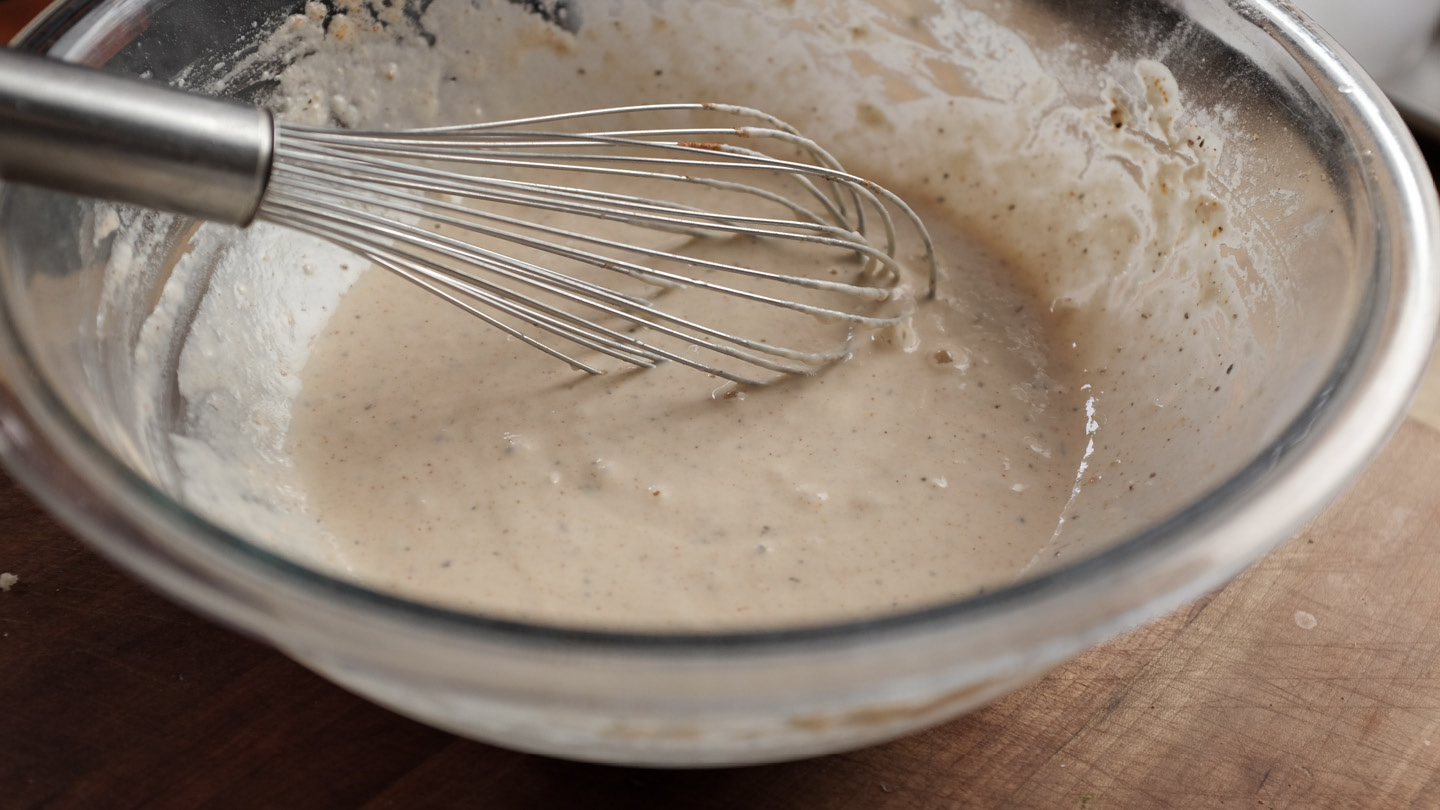
Beer provides both carbonation and alcohol, which contribute to a lighter, crispier batter than one made with water or milk. The carbonation creates bubbles in the batter that expand during frying, producing a lighter, more aerated texture; the alcohol evaporates quickly in the hot oil, limiting gluten development and preventing the batter from becoming dense or doughy. Light beer is preferred because it contributes minimal flavor — the seasoning from the Provisioner's Blend handles the flavor profile; the beer handles the texture.
Why coat in panko after the batter?
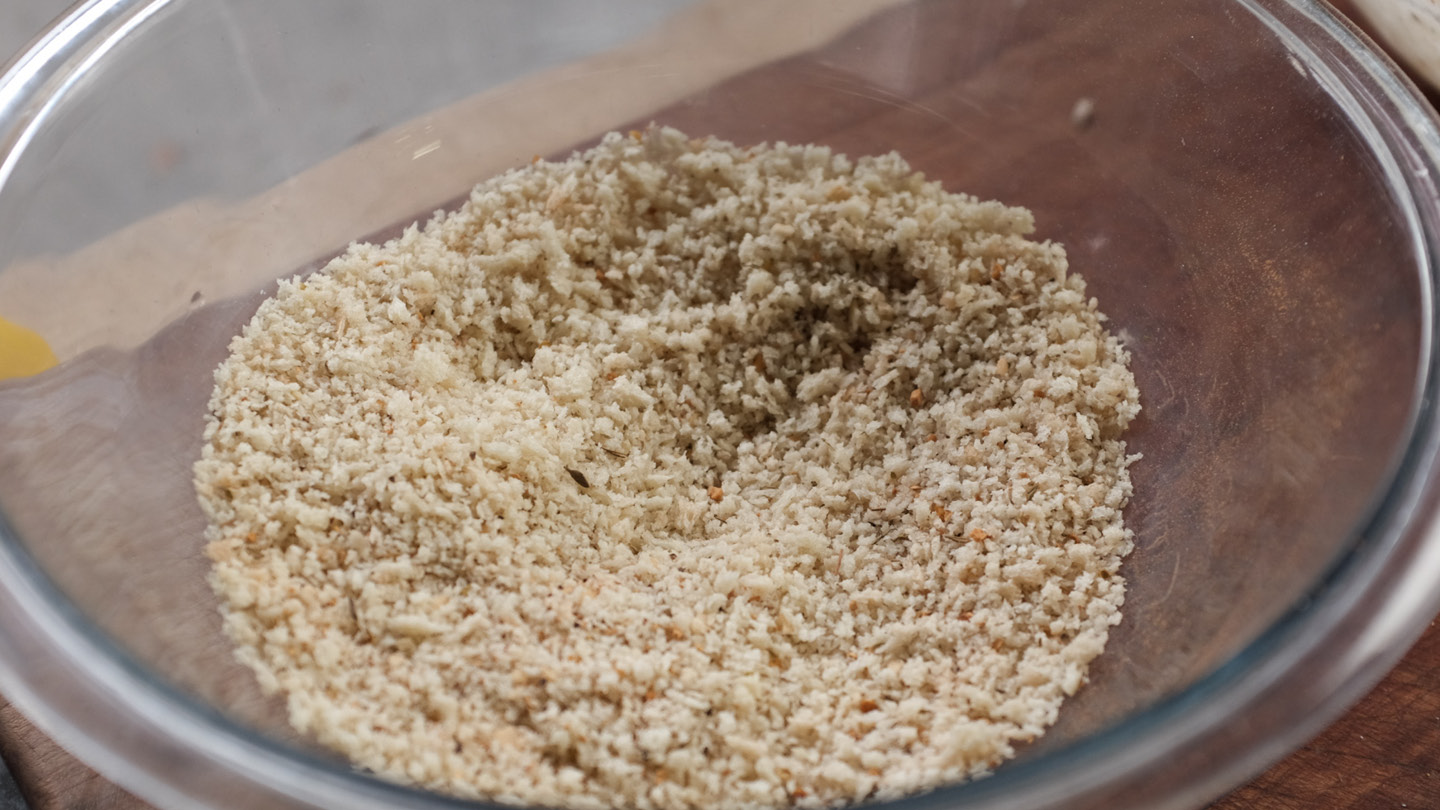
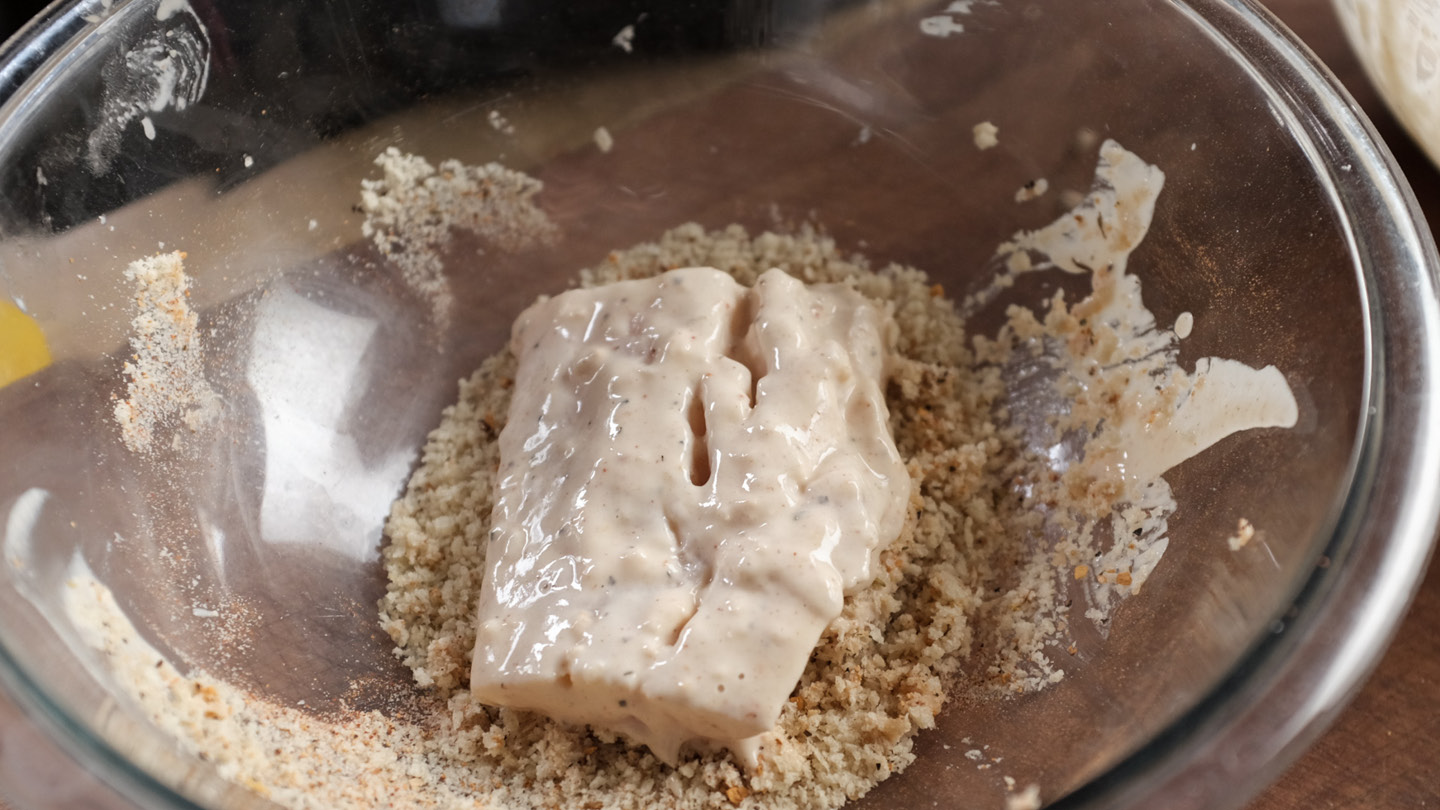
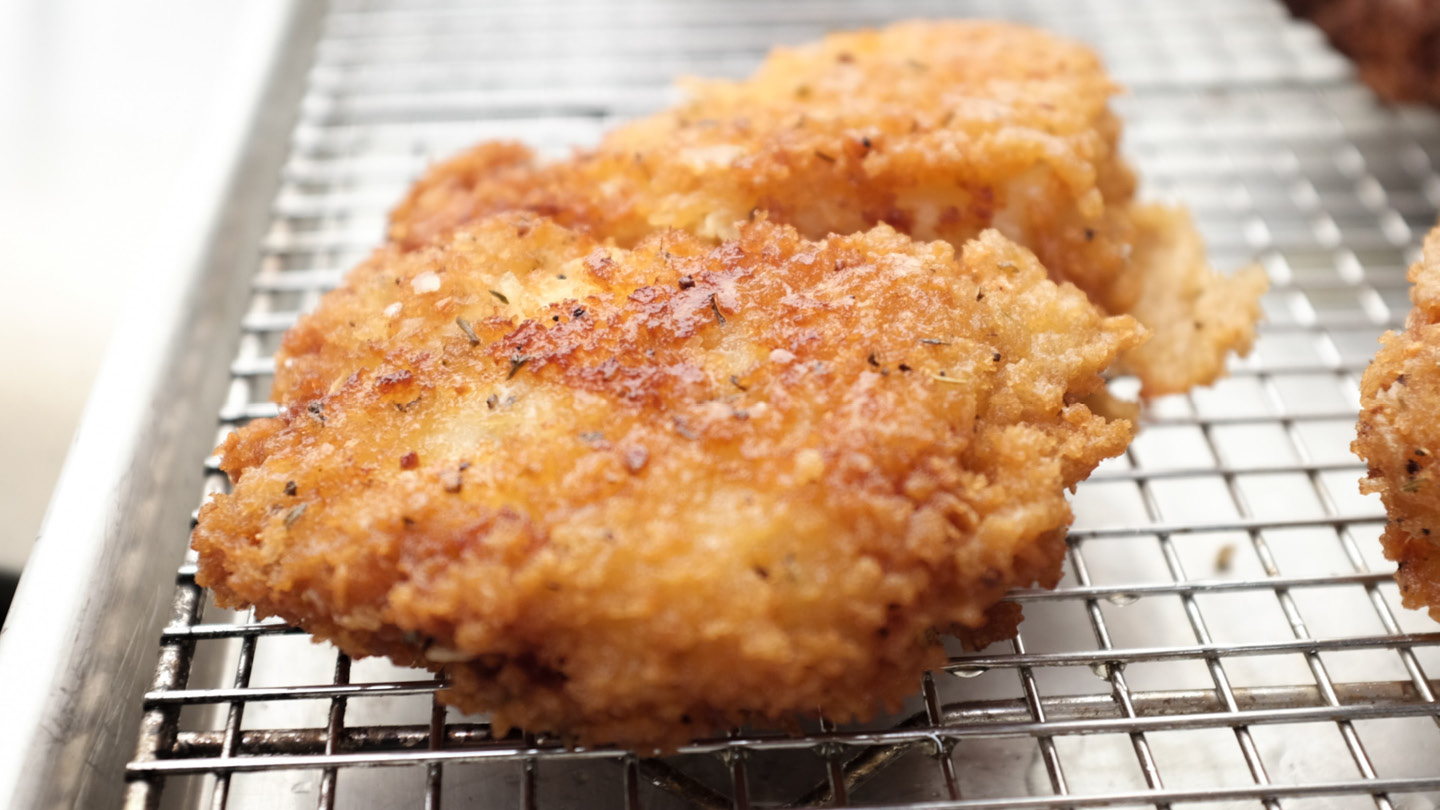
Panko breadcrumbs are coarser and drier than standard breadcrumbs, and they don't absorb oil as readily during frying. Applied over the wet batter, the panko creates a secondary exterior layer that maintains crunch after the fish is removed from the oil and held warm. A pure batter coating softens quickly from steam; the panko layer stays crisp through assembly and eating. The Provisioner's Blend mixed into the panko ensures seasoning throughout the exterior crust, not just the interior batter layer.
What oil should I use for frying?
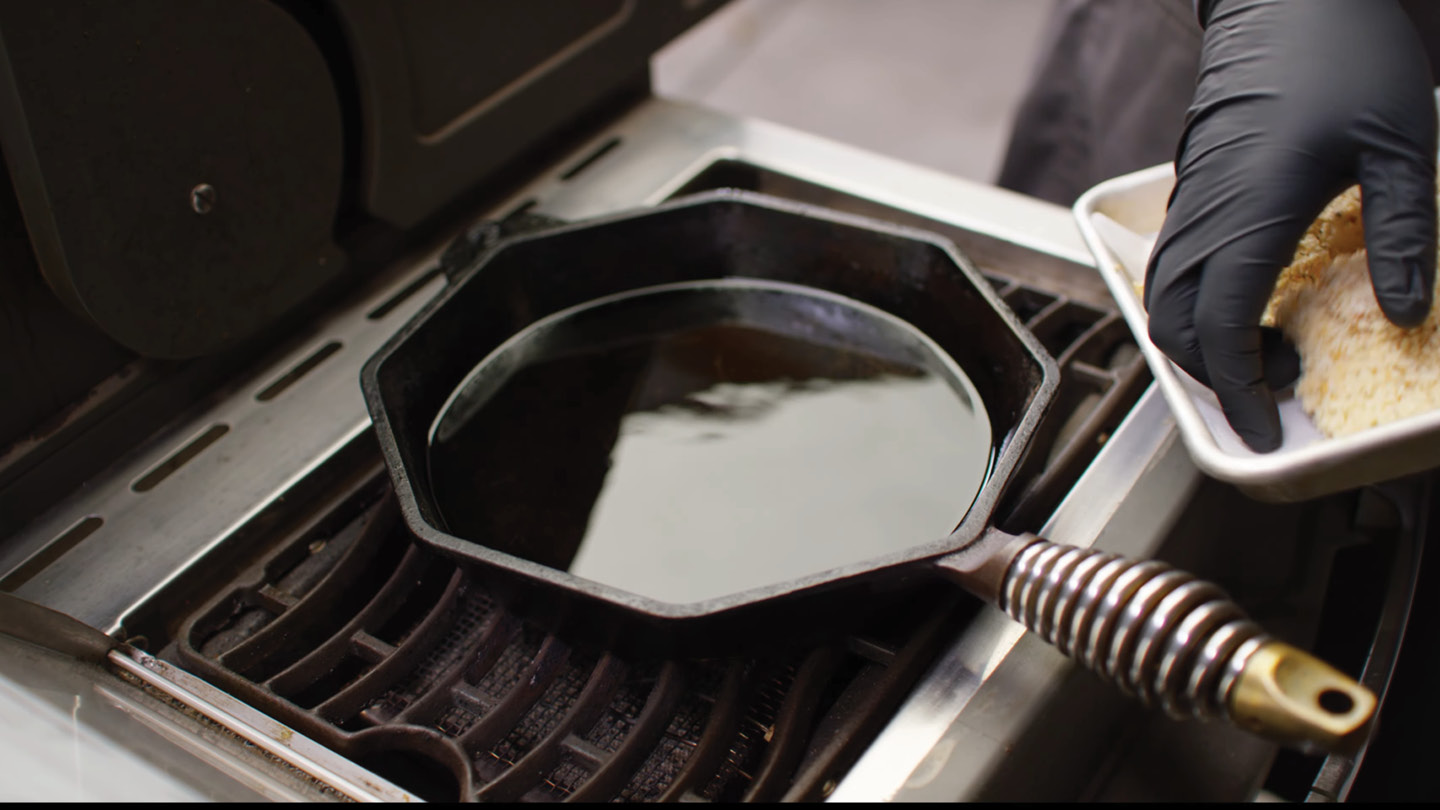
The recipe specifies avocado oil, which has a high smoke point (approximately 500°F) and a neutral flavor — ideal for frying at 375–400°F. Any neutral high-smoke-point oil works: refined coconut oil, refined vegetable oil, or canola oil. Avoid extra virgin olive oil or unrefined oils, which have lower smoke points and will impart flavor at frying temperatures.
What temperature should the fish reach?
145°F internal temperature — the FDA minimum safe temperature for fish. Direction Step 7 provides a time estimate of 6–8 minutes, but use an instant-read thermometer at the thickest point of the fillet to confirm. Cod cooks quickly at 375–400°F; over-cooked cod becomes dry and crumbles. Pull it exactly at 145°F for moist, flaky fish inside the crispy crust.
Can I make this indoors?
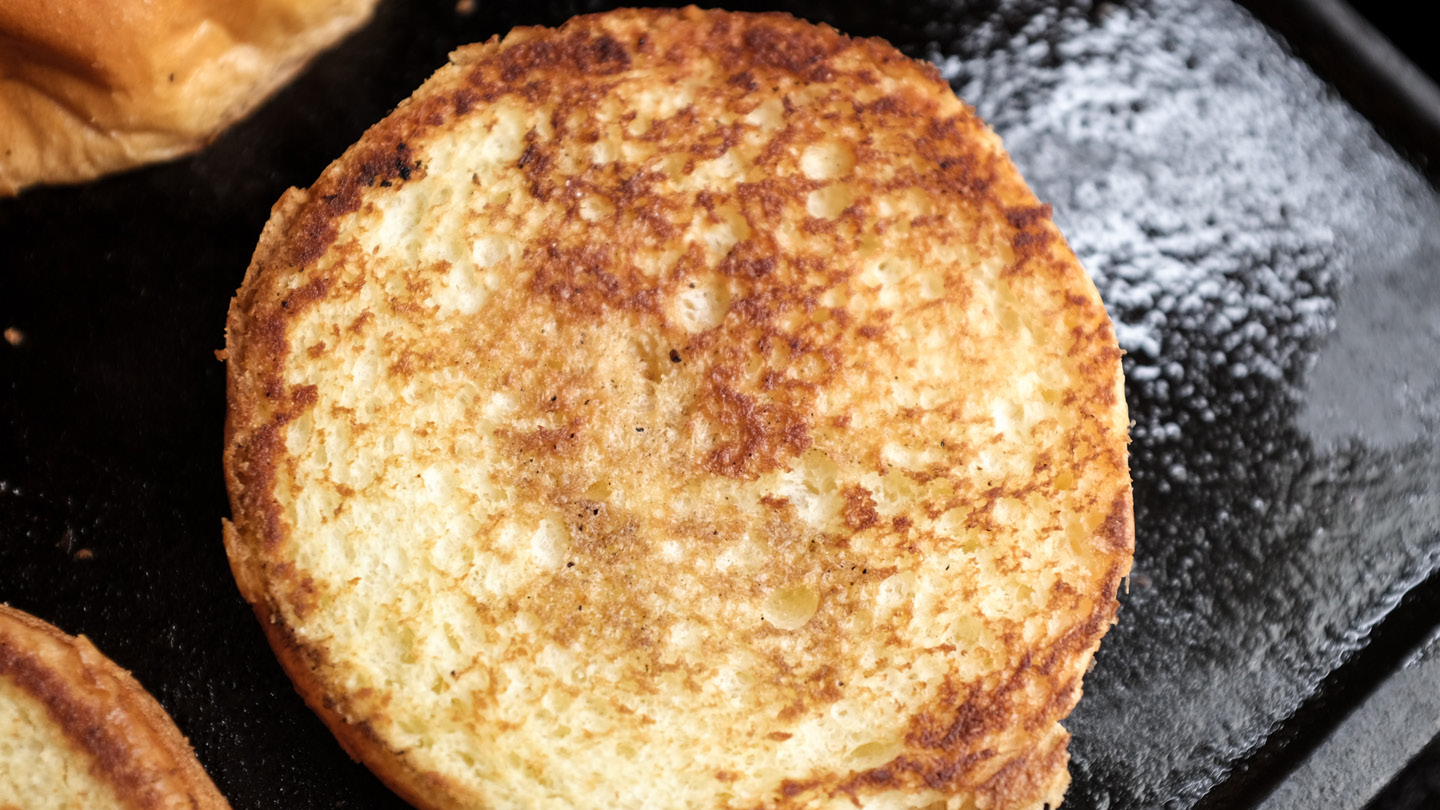
4 out of 5 — Great in the kitchen, better on the grill. The frying is entirely stovetop — a cast iron skillet or Dutch oven with a thermometer replicates the Napoleon side burner fry exactly. Toast the brioche buns in butter in a separate skillet or on a griddle pan. The only minor loss is the simultaneous multi-surface cooking that the Napoleon setup enables so elegantly.
Recipe Highlights
Maintain the oil temperature at 375–400°F throughout the fry — don't let it drop: Direction Step 2 specifies bringing the oil to 375–400°F and reducing heat to maintain that temperature. Adding cold fish to the oil drops the temperature; if it drops below 350°F, the fish absorbs more oil rather than frying in it, producing a greasy rather than crispy result. Fry in batches of one or two pieces rather than all four at once, and allow the oil to return to temperature between batches.
Let excess batter drip off before dunking in panko: Direction Step 6 specifies letting the excess drip off before coating in panko. Excess batter creates thick, uneven patches that prevent the panko from adhering uniformly and produce soft spots in the crust. Hold the battered fish over the bowl for 3–5 seconds and let gravity pull the excess off before moving to the panko — the remaining batter coating should be thin and even.
Transfer fried fish to the grill wire rack immediately to stay warm and stay crisp: Direction Step 7 specifies a wire rack inside the grill after frying. A wire rack allows air circulation beneath the fish, preventing the bottom crust from steaming and going soft. A plate or sheet pan traps steam and softens the panko within minutes. The low ambient temperature inside the grill (not lit for heat) keeps the fish warm without continuing to cook it.
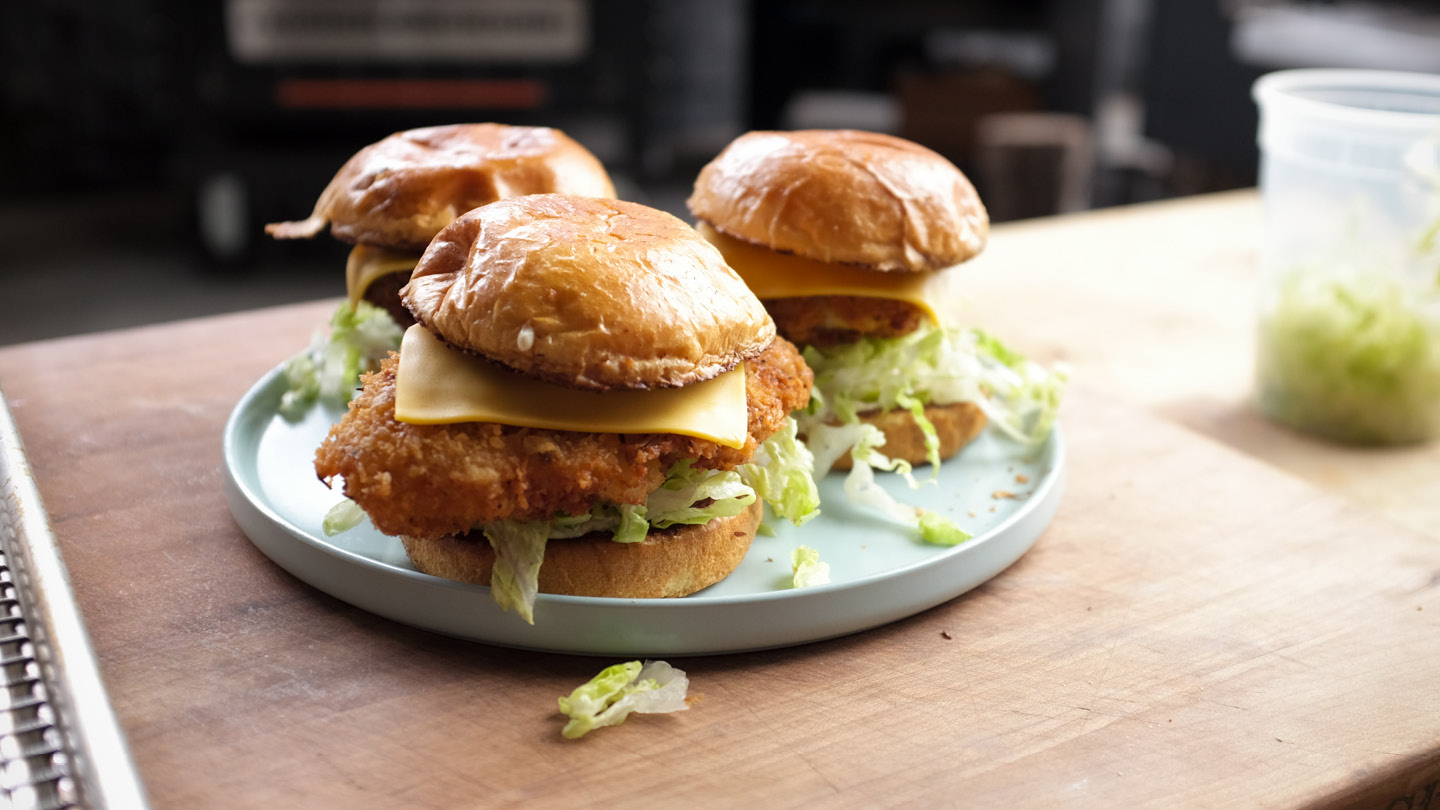
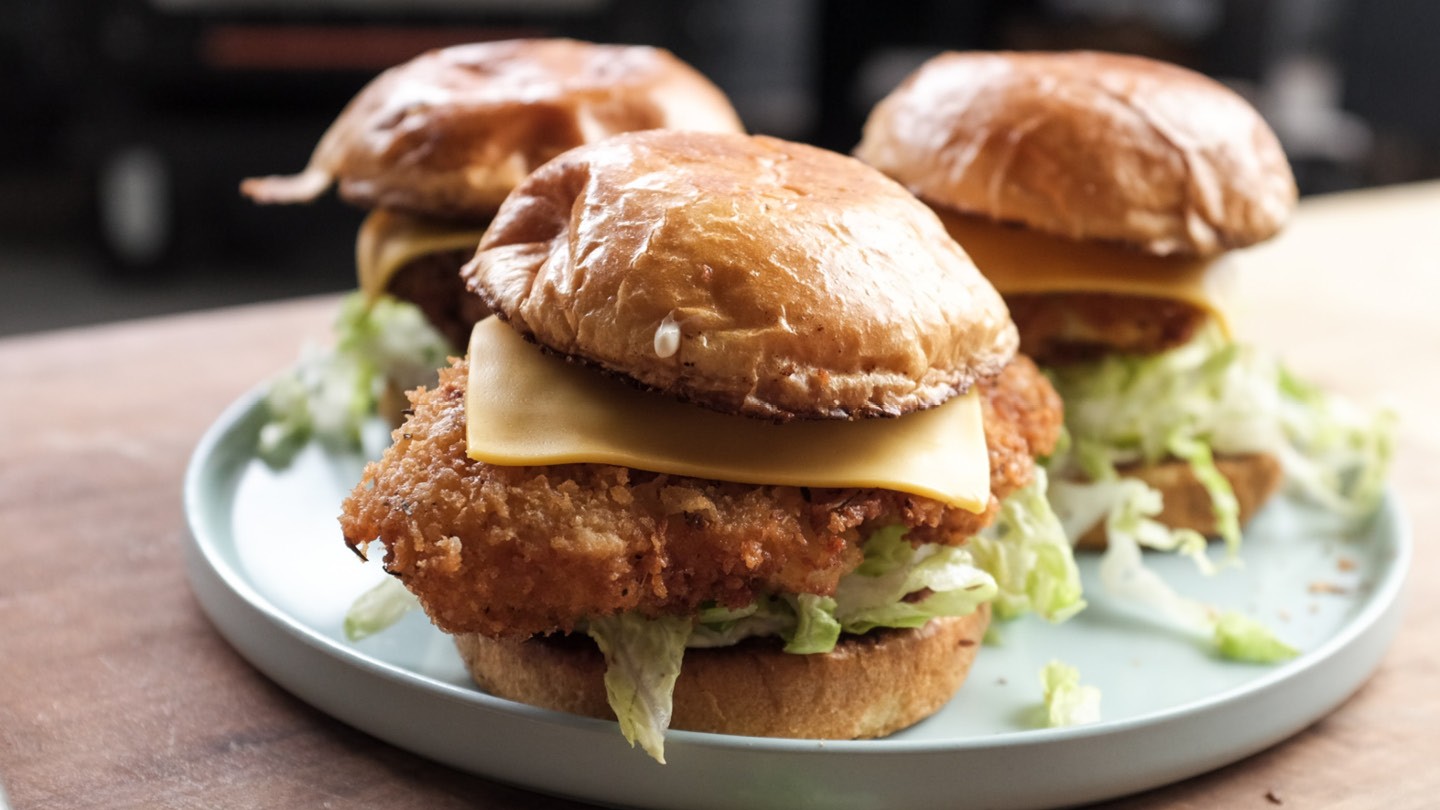
Build the sandwich in the correct sequence — tartar sauce on the bottom bun, not the top: Direction Step 9 specifies tartar sauce on the bottom bun, then lettuce, then fish and cheese, then the top bun. This sequence matters: the tartar sauce on the bottom bun cushions the lettuce and prevents it from sliding out the back when the sandwich is compressed. The cheese is already melted on the warm fish from Step 7 — placing the fish cheese-side up against the top bun traps the cheese between fish and bread, preventing it from sliding.
Recommended Recipes