Recipe Note
Recipe FAQ
What is the history of Nashville hot seasoning?
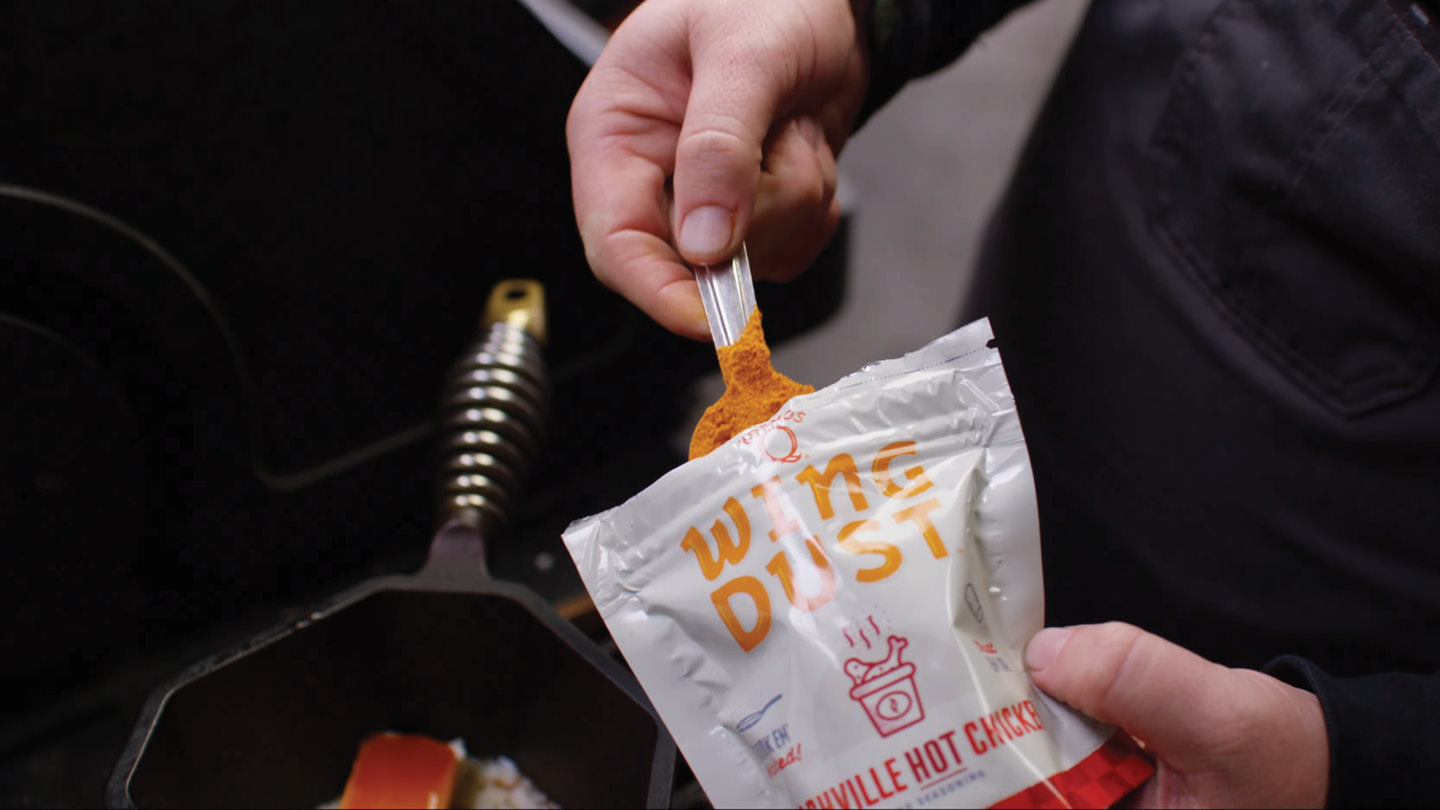
Nashville hot seasoning traces directly to Nashville's African American community and the emergence of hot chicken as a distinct culinary tradition. Prince's Hot Chicken Shack, founded in the 1930s, is widely credited as the originator of the style — the story goes that Thornton Prince's girlfriend doused his fried chicken in cayenne and spices as revenge for his late nights out, and he loved it so much he built a restaurant around it. The seasoning blend — cayenne, paprika, garlic, brown sugar, and chili powder mixed into the frying fat and brushed on the finished chicken — has since become a national culinary trend. This recipe applies the same heat profile to popcorn using Kosmo's Q Nashville Hot Wing Dust and Cattleman's Grill Pit Fire Hot Sauce.
Why use Rancho Gordo Crimson Popping Corn instead of standard popping corn?
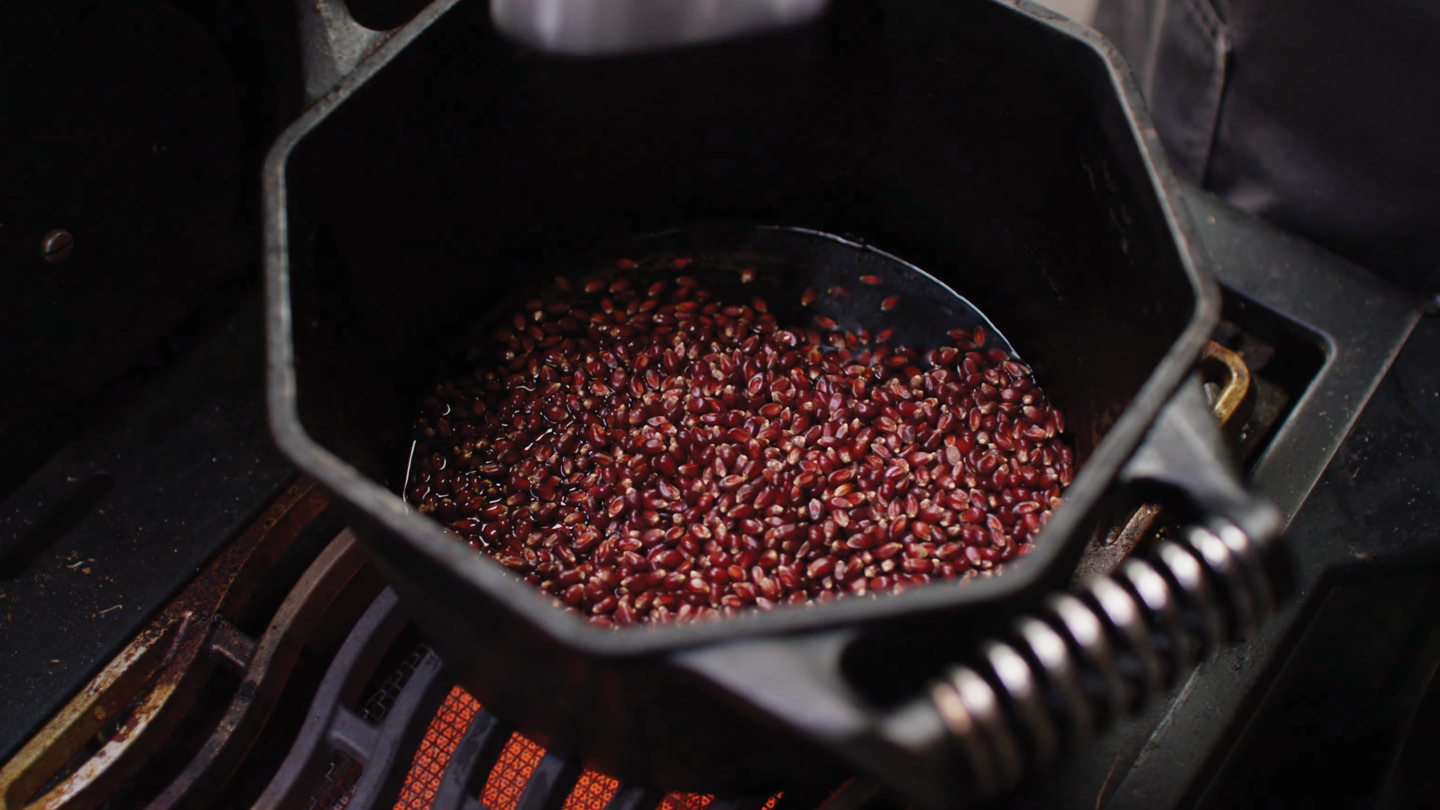
Rancho Gordo Crimson is an heirloom variety with a smaller, rounder kernel that pops into a tender, slightly chewy popcorn with noticeably less hull than commodity yellow corn. The smaller kernel size means more surface area relative to volume — which translates to better sauce coverage when the Nashville hot butter mixture goes on. Standard yellow popping corn works as a substitute; standard microwave popcorn does not — its pre-applied flavoring compounds interfere with the Nashville hot sauce.
Why use coconut oil to pop the corn?
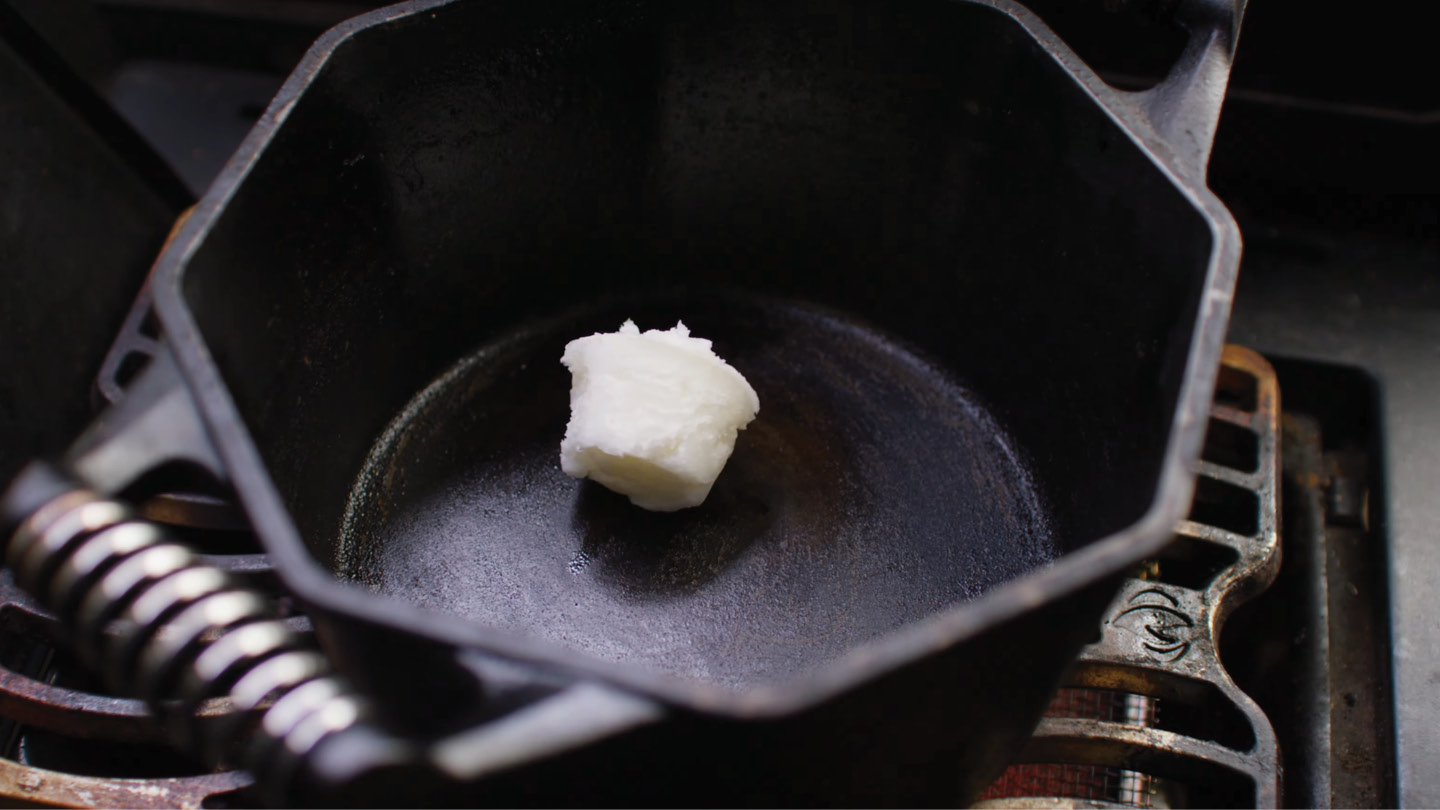
Coconut oil has a higher smoke point than butter and a neutral flavor that doesn't compete with the Nashville hot sauce applied after popping. More practically, coconut oil re-solidifies at room temperature — popcorn made with it stays crisp longer as it cools because the fat doesn't remain liquid on the kernel surface. Butter or vegetable oil both work but produce a greasier result as the popcorn cools. Use refined coconut oil for the most neutral flavor; unrefined adds a mild coconut note.
How do I know when the popcorn is done popping?
Direction Step 3 specifies "2–3 seconds between pops." This is the standard doneness indicator for stovetop popcorn — when the gap between individual pops lengthens to 2–3 seconds, the majority of viable kernels have already popped and the remaining unpopped kernels are unlikely to pop without burning what's already done. Remove from heat at this point. Shake the Dutch oven every 30 seconds during popping to prevent the bottom layer from burning on the hot cast iron.
How spicy is this recipe?
Moderate-to-hot — this is genuinely spicy popcorn, not a mild snack with heat notes. The Kosmo's Q Nashville Hot Wing Dust is cayenne-forward; the Cattleman's Grill Pit Fire Hot Sauce adds a second layer of Louisiana-style hot sauce heat in the butter. To reduce heat: use 1 tbsp Wing Dust instead of 2, and reduce the Pit Fire Hot Sauce to 2 tbsp. To increase heat: add a pinch of cayenne directly to the butter sauce during the simmer step.
Can I make this indoors?
5 out of 5 — Perfect for indoor or outdoor cooking. The Napoleon Phantom 500 side burner is simply a gas burner — any stovetop over medium heat produces identical results with the Finex Dutch Oven. This is a fully stovetop recipe at its core.
Recipe Highlights
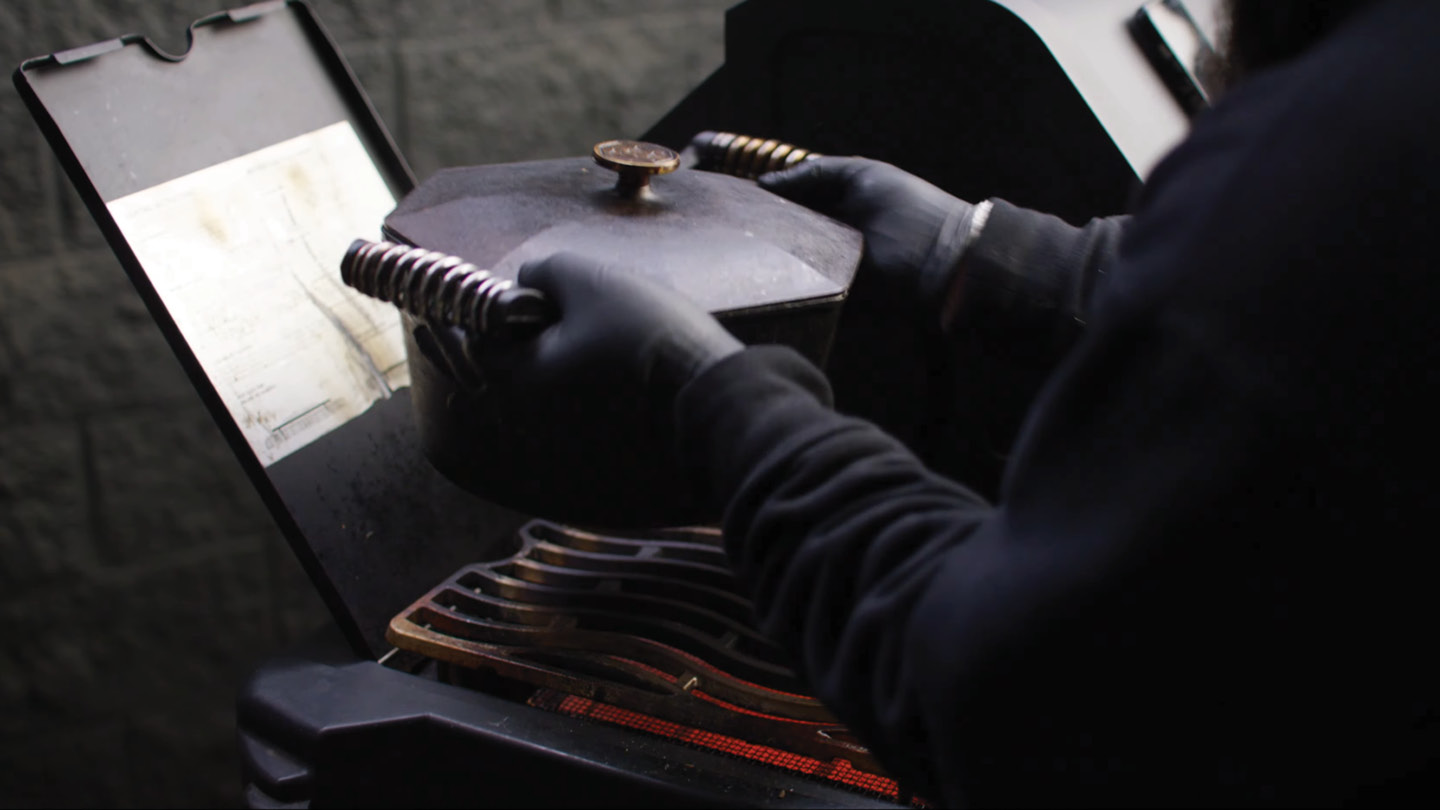
Use a heavy-bottomed pot with a lid — not a lightweight saucepan: Direction Step 1 specifies the Finex 5-Quart Cast Iron Dutch Oven. Cast iron's heat retention and mass distribute heat evenly across the bottom, preventing hot spots that burn the bottom layer of kernels while the top layer is still popping. A lightweight pot creates uneven heat distribution — some kernels scorch while others don't pop at all. Any heavy-bottomed pot with a tight-fitting lid works; cast iron is ideal.
Keep the lid on and shake every 30 seconds — don't peek: Direction Step 2 specifies shaking every 30 seconds while keeping it covered. The steam trapped inside the Dutch oven is what drives the remaining kernels to pop; lifting the lid releases that steam and extends the popping time. The shaking redistributes the popped kernels to the top and brings unpopped kernels into contact with the hot oil at the bottom. Set a 30-second timer and shake on the clock.
Make the butter sauce while the corn is popping — not after: Direction Step 4 runs simultaneously with the popping phase. The butter sauce needs to be hot and fluid when it goes on the popped corn — a cooled butter sauce re-solidifies unevenly on the kernels rather than flowing into all the gaps between them. Have the sauce ready to pour the moment the popcorn transfers to the bowl.
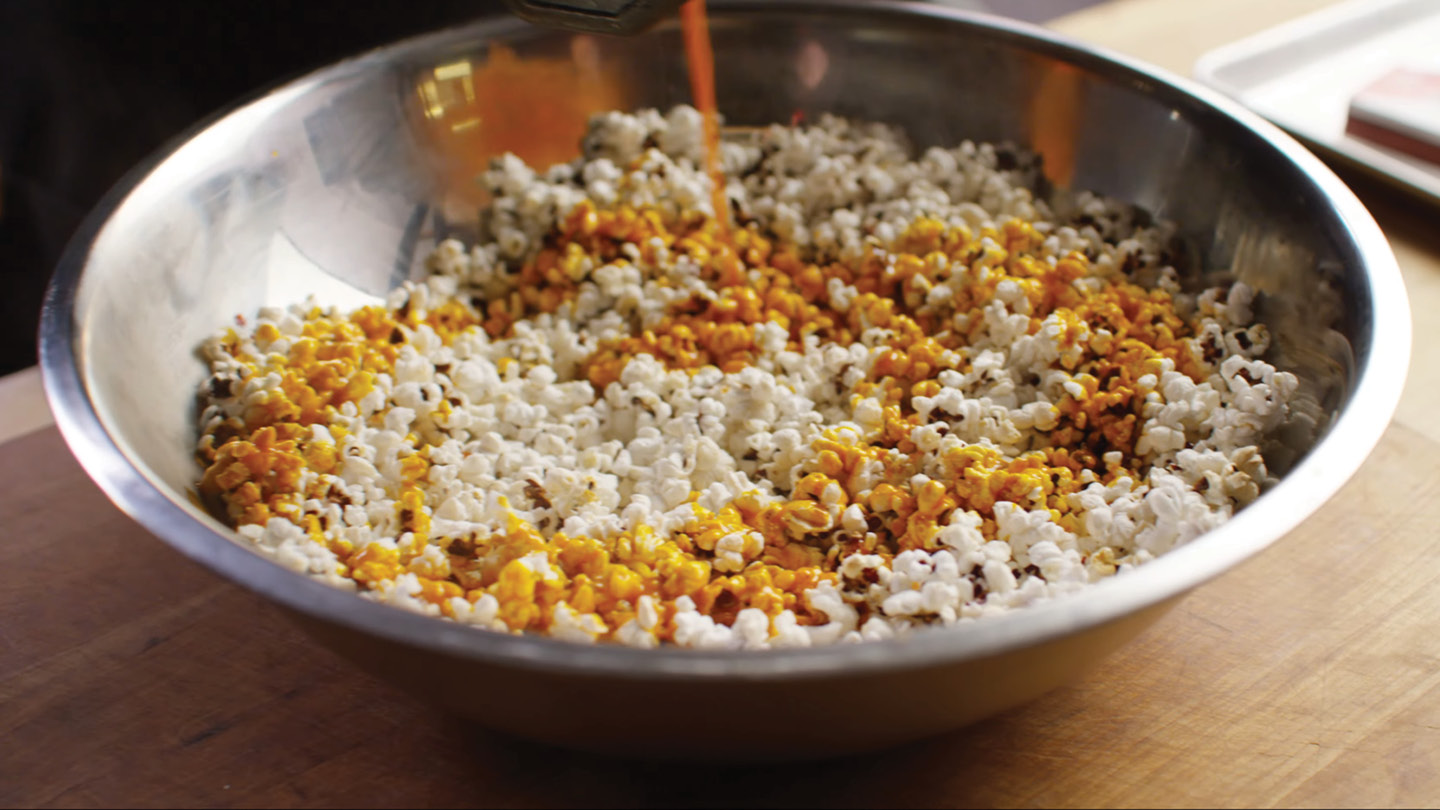
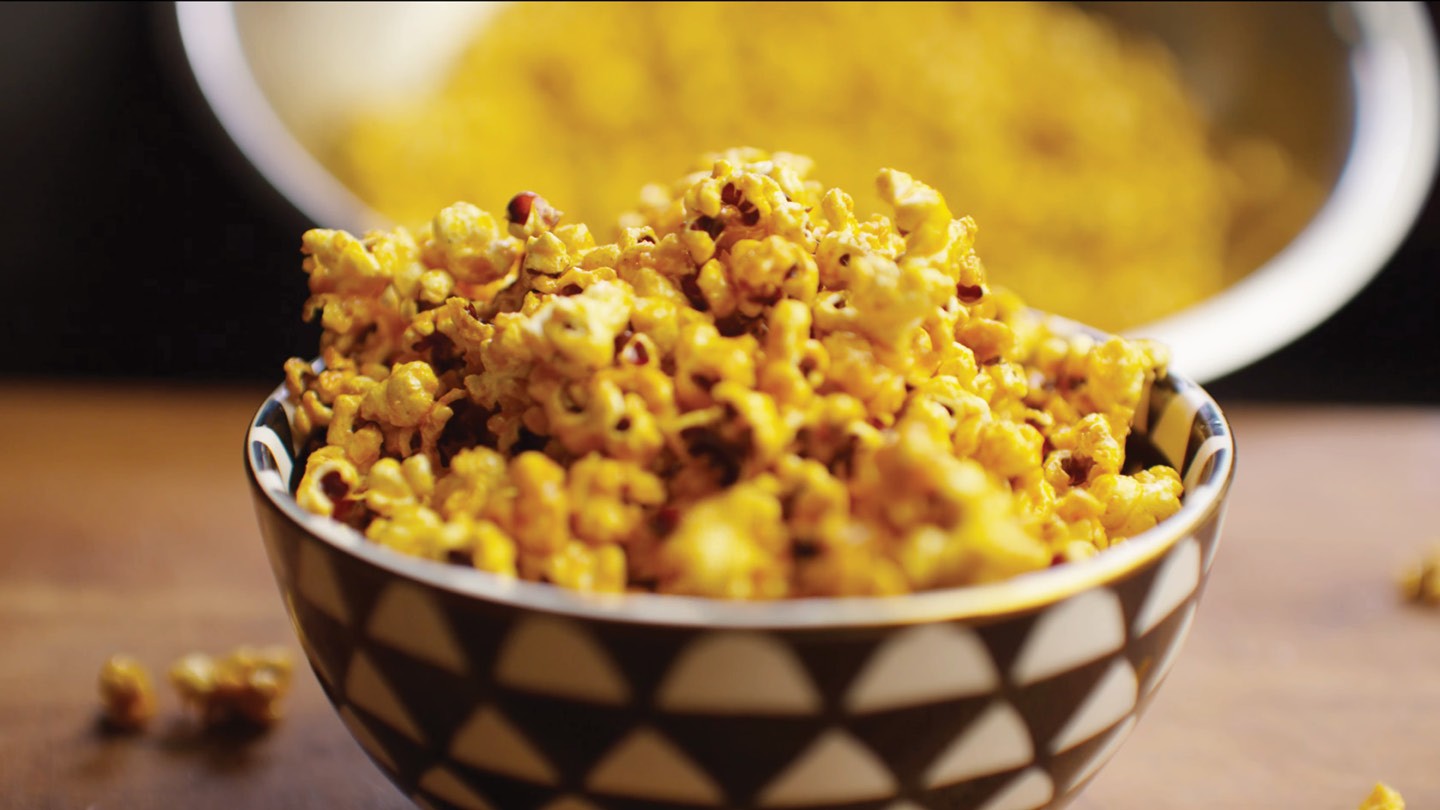
Toss immediately and thoroughly — don't let the sauce pool at the bottom: Direction Step 5 specifies pouring the butter mixture over the popcorn and tossing to coat. Pour the sauce in a circular motion around the bowl rather than all in one spot, then toss from the bottom immediately. Sauce that pools at the bottom of the bowl produces unevenly coated popcorn — the bottom kernels are saturated and the top kernels are dry. Toss for at least 30 seconds to ensure every kernel is coated before the butter begins to re-solidify.
Recommended Recipes