

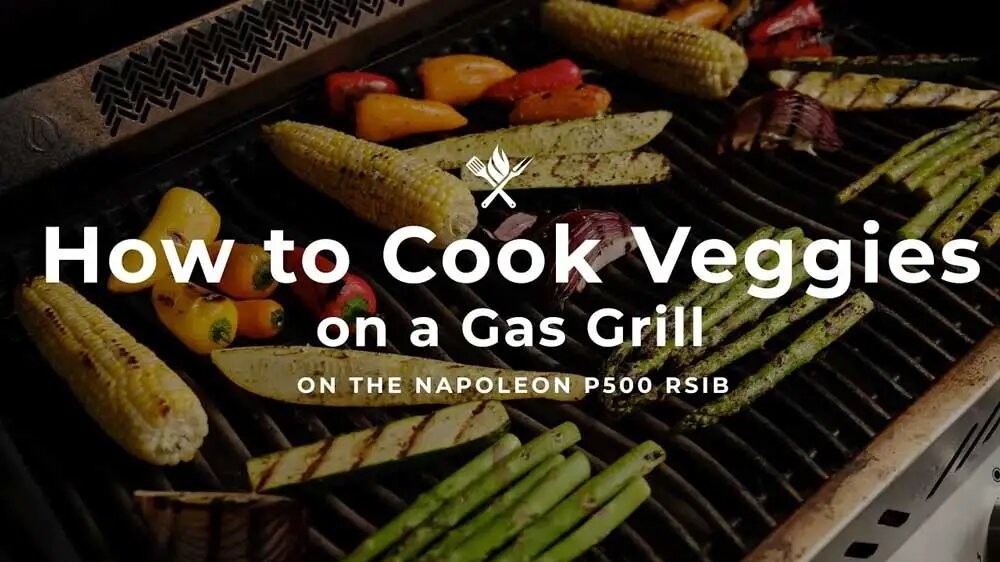
Chef Tom takes us back to basics and walks through three different methods for How to Cook Veggies on a Gas Grill!
WHAT YOU'LL LOVE
- Three different flavor-building methods for one technique: Marinating, oiling-and-seasoning, or grilling dry with a vinaigrette finish all use the same basic grilling method underneath, so you can pick the approach that fits the flavor you're after without learning a new technique each time.
- Seasoning dry and dressing after: Grilling the vegetables completely unseasoned, then finishing with a whisked vinaigrette, keeps delicate seasonings from burning over direct heat the way they might if applied before grilling.
- Building the vinaigrette with honey and fresh aromatics: Whisking oil, lemon juice, garlic, rosemary, and honey together right before serving creates a bright, layered dressing that a bottled vinaigrette can't match.
- Dicing everything after grilling, not before: Grilling the vegetables in larger pieces first and cutting them down afterward means less surface area is exposed to the grates, so you get better char without losing pieces through the grill.
Category
Side Dish
Cuisine
American
Learn new tricks on the gas grill with Chef Tom. He'll show you three ways of cooking veggies on a gas grill, quickly and easily. Perfect for a summer cookout or an everyday meal.
Ingredients
- Squash, halved
- Zucchini, halved
- Red onion, quartered
- Asparagus
- Small sweet peps
- Corn on the cob
-
Smoke on Wheels BBQ Marinade
- Lemon juice, to taste
- Avocado (or other high heat) Oil
-
Cattleman’s Grill Trail Dust All Purpose Seasoning
- Lemon juice, to taste
-
Cattleman’s Grill Trail Dust All Purpose Seasoning
-
2 parts EVOO
- 1 part Lemon juice
- Garlic, minced, to taste
- Fresh rosemary leaves, minced, to taste
-
Drizzle Reida Farm Red Pepper Infused Kansas Wildflower Honey
To marinate then grill:
To oil & season then grill:
To season then grill dry, with vinaigrette finish:
Directions
- Preheat your Napoleon P500 over high heat for at least 20 minutes.
For the “marinate then grill” method:
- Pour just enough of the Smoke on Wheels BBQ Marinade over the veggies to coat.
- Transfer to the grill and cook, turning occasionally as the veggies brown. When the veggies reach you desired doneness (softened but not soggy), remove from the grill.
- Dice veggies and mix together. Drizzle with fresh lemon juice.
For the “oil, season then grill” method:
- Coat all veggies in a thin layer of high heat oil, like avocado or grape seed oil. Season with Cattleman’s Grill Trail Dust All Purpose Seasoning.
- Transfer to the grill and cook, turning occasionally as the veggies brown. When the veggies reach you desired doneness (softened but not soggy), remove from the grill.
- Dice veggies and mix together. Drizzle with fresh lemon juice.
For the “grill dry then dress” method:
- Season the veggie dry with the Cattleman’s Grill Trail Dust All Purpose Seasoning. You may need to press the seasoning in to get it to stick. It won’t stick to all surfaces.
- Transfer to the grill and cook, turning occasionally as the veggies brown. When the veggies reach you desired doneness (softened but not soggy), remove from the grill.
- Dice veggies and mix together.
- To make the vinaigrette, combine 2-3 parts oil with 1 part lemon juice to a small bowl. Add aromatics (garlic, rosemary, etc.). Drizzle with honey. Season with Cattleman’s Grill Trail Dust All Purpose Seasoning. Whisk well, then dress the veggies with the vinaigrette.
Recipe Note
Recipe FAQ
Why choose between marinating, oiling-and-seasoning, or grilling dry with a vinaigrette?
Each method builds flavor differently: marinating soaks flavor all the way through, oiling-and-seasoning creates a seared crust, and grilling dry lets a fresh vinaigrette shine without competing with char flavor. Pick based on what you want the final dish to taste like.
Why season the vegetables dry instead of oiling them first in the third method?
Grilling unseasoned vegetables and finishing with a whisked vinaigrette afterward avoids burning delicate ingredients like fresh herbs and honey over direct heat, since those flavors go on only after the vegetables are already cooked.
Why press the seasoning into some vegetables instead of just sprinkling it on?
Smooth or moist surfaces don't hold loose seasoning well. Pressing it in by hand gives it something to stick to, so it doesn't just fall off onto the grill grates.
Why dice the vegetables after grilling instead of before?
Grilling in larger pieces first means less surface area touching the grates, so you get solid char without pieces falling through or drying out. Cutting them down afterward is easier and gives more control over the final bite size.
How do I know when the vegetables are done?
Look for softened but not soggy texture and good color from turning occasionally — there's no single doneness temperature for a vegetable medley since cook times vary by vegetable and size.
How indoor-friendly is this technique?
4 out of 5 — a hot cast iron skillet, griddle, or broiler can replicate all three methods; the grill mainly adds char and smoke flavor that an indoor setup won't fully match.
Recipe Highlights
Three flavor-building methods: Marinate, oil-and-season, or dry-grill-then-dress — same technique, different results.
Dry-grill-then-dress approach: Keeps delicate vinaigrette ingredients from burning over direct heat.
Pressed-in seasoning: Helps rub adhere to smooth or moist vegetable surfaces.
Dice after grilling: Preserves better char and control over final texture.


