Recipe Note
Recipe FAQ
What is the history behind the Moscow Mule?
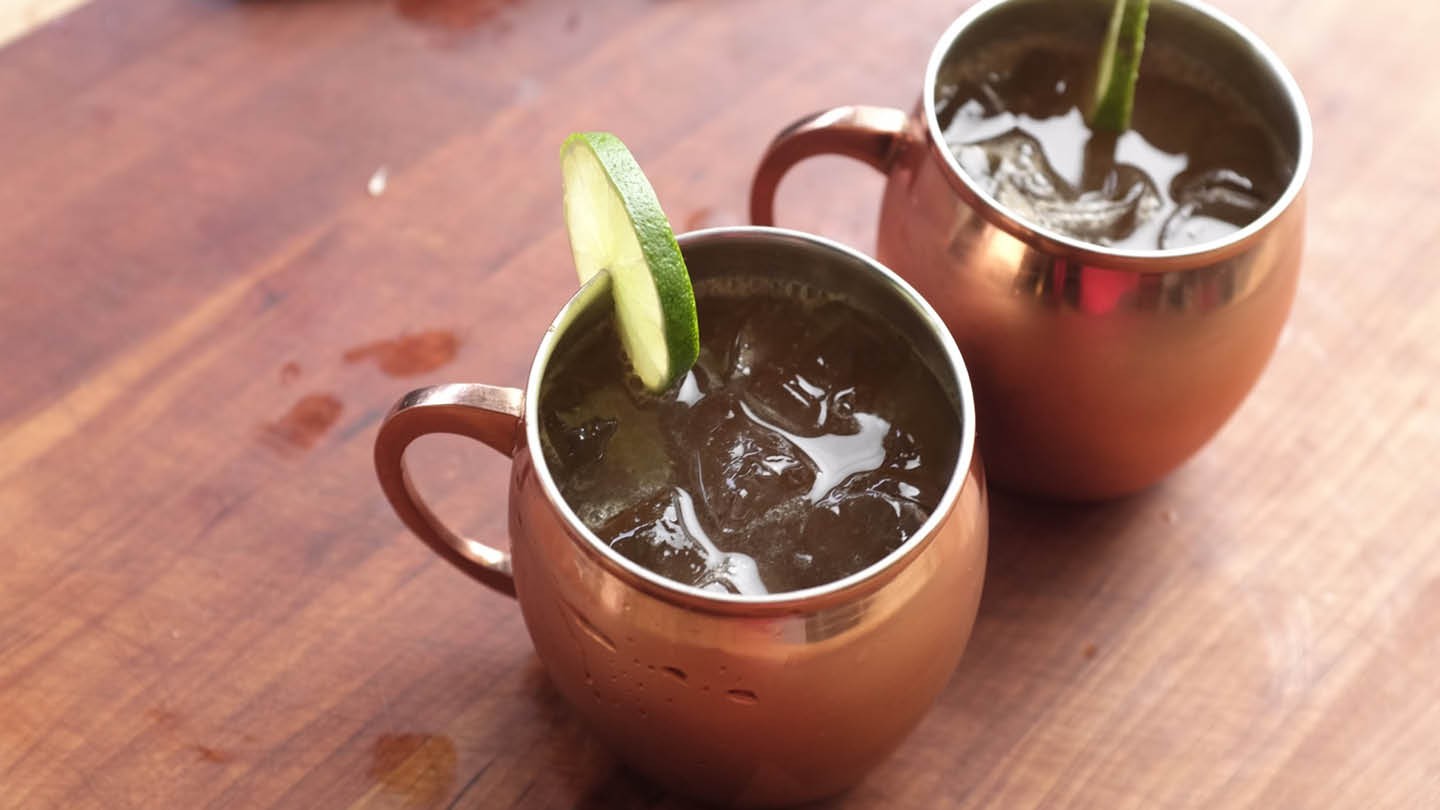
The Moscow Mule was created in 1941 in Los Angeles, the result of a collaboration between John G. Martin, who had recently acquired the Smirnoff vodka brand, and Jack Morgan, owner of the Cock 'n' Bull bar on the Sunset Strip. Morgan was struggling to sell ginger beer; Martin was struggling to sell vodka. They combined forces — vodka, ginger beer, and lime juice — and served the drink in a copper mug to make it memorable. The resulting cocktail became one of the most enduring American bar drinks of the 20th century and helped establish vodka as a mainstream spirit in the United States.
Why does grilling the limes make a difference?
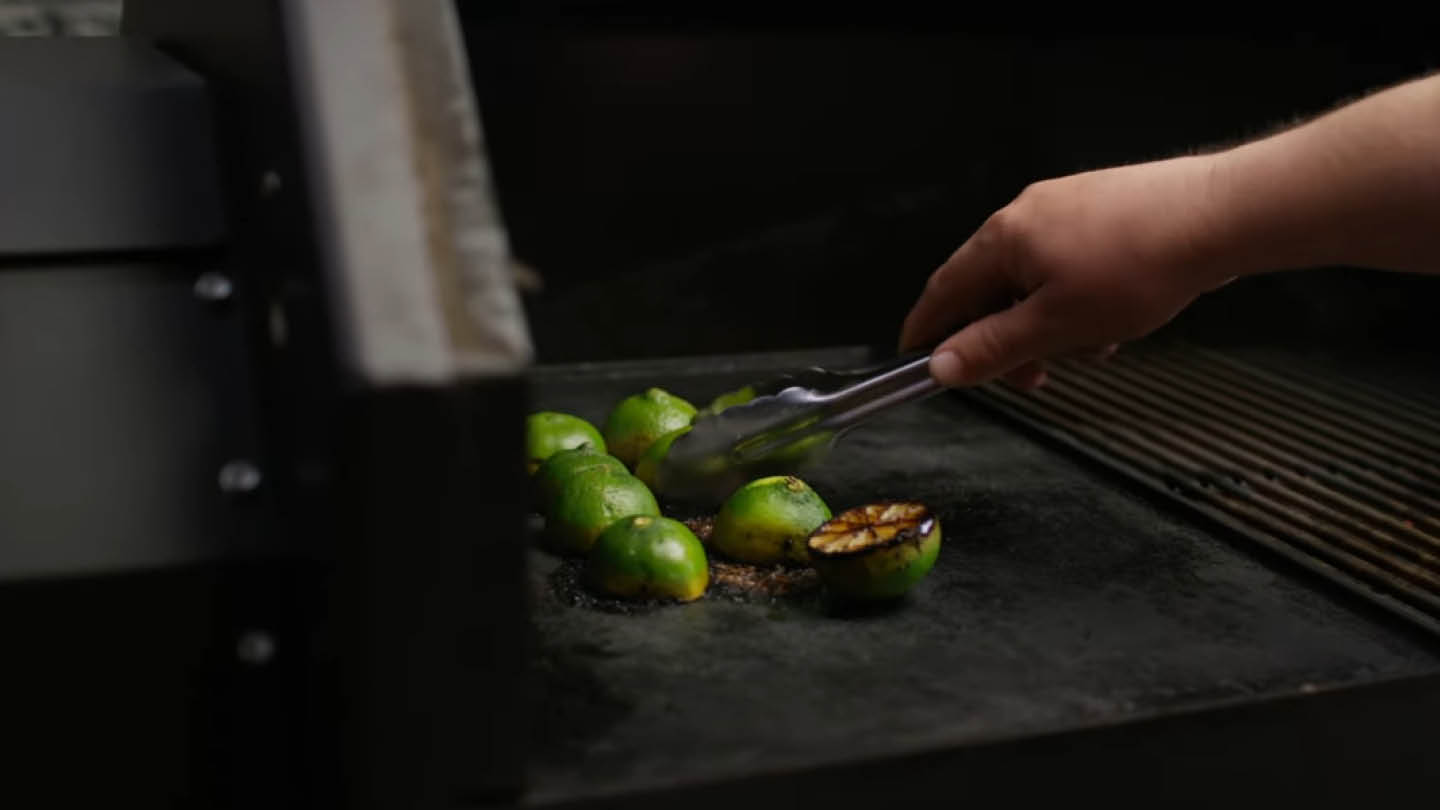
High heat caramelizes the sugars on the cut surface of the lime, transforming the juice from sharp and acidic to something rounder, slightly sweet, and subtly smoky. The caramelization also softens the bitter white pith compounds, making the juice more drinkable with less of the edge that raw lime juice carries. The result tastes unmistakably grilled rather than just citrusy.
Can I use a different spirit instead of vodka?
Yes — bourbon or rye whiskey produce a smokier, more complex Mule variant (sometimes called a Kentucky Mule) that pairs well with the maple syrup in this recipe. Tequila (a Mexican Mule) works especially well with the grilled lime character. Light rum is another natural pairing. Vodka is the classic base because its neutrality lets the grilled lime and ginger beer flavor come forward.
Can I make the grilled lime juice ahead of time?
Yes — grill and juice the limes up to 24 hours in advance, strain, and refrigerate in a sealed container. The caramelized character holds well overnight. This makes it easy to batch the juice ahead of a party and pour cocktails to order without firing up the grill for each round.
What kind of ginger beer works best?
A spicier, more assertive ginger beer (like Fever-Tree or Bundaberg) produces a more complex, ginger-forward drink. Milder ginger beers let the lime and maple flavors come forward more. Ginger ale is not a substitute — it lacks the fermented bite that makes a Mule work.
Can I make this indoors?
5 out of 5 — Perfect for indoor or outdoor cooking. A cast iron grill pan over a gas burner on high heat caramelizes the cut lime surface identically to the outdoor griddle setup. The mixing and pouring are entirely countertop regardless. This is one of the most indoor-friendly recipes in the catalog despite requiring a "grill" step.
Recipe Highlights
Remove the diffuser before installing the cast iron griddle: Directions Step 1 specifically calls for removing the diffuser/diffuser door before installing the cast iron griddle over the firebox. Skipping this step means the griddle is sitting over indirect heat rather than direct flame — you won't achieve the 500°F surface temperature needed to caramelize the lime surface in seconds rather than minutes.
Sear the limes cut-side down with the grill door open: Directions Step 2 specifies keeping the grill door open during the lime sear. The goal is rapid surface caramelization only — not cooking the lime through. Closing the door traps heat and steams the lime rather than searing it, which produces a softer, less caramelized result.
Strain the juice through a mesh strainer before mixing: After juicing the seared limes, straining removes seeds, pulp, and any char bits from the caramelized surface. A clean, strained juice incorporates smoothly into the cocktail and produces a clearer, more consistent drink than unstrained juice would.
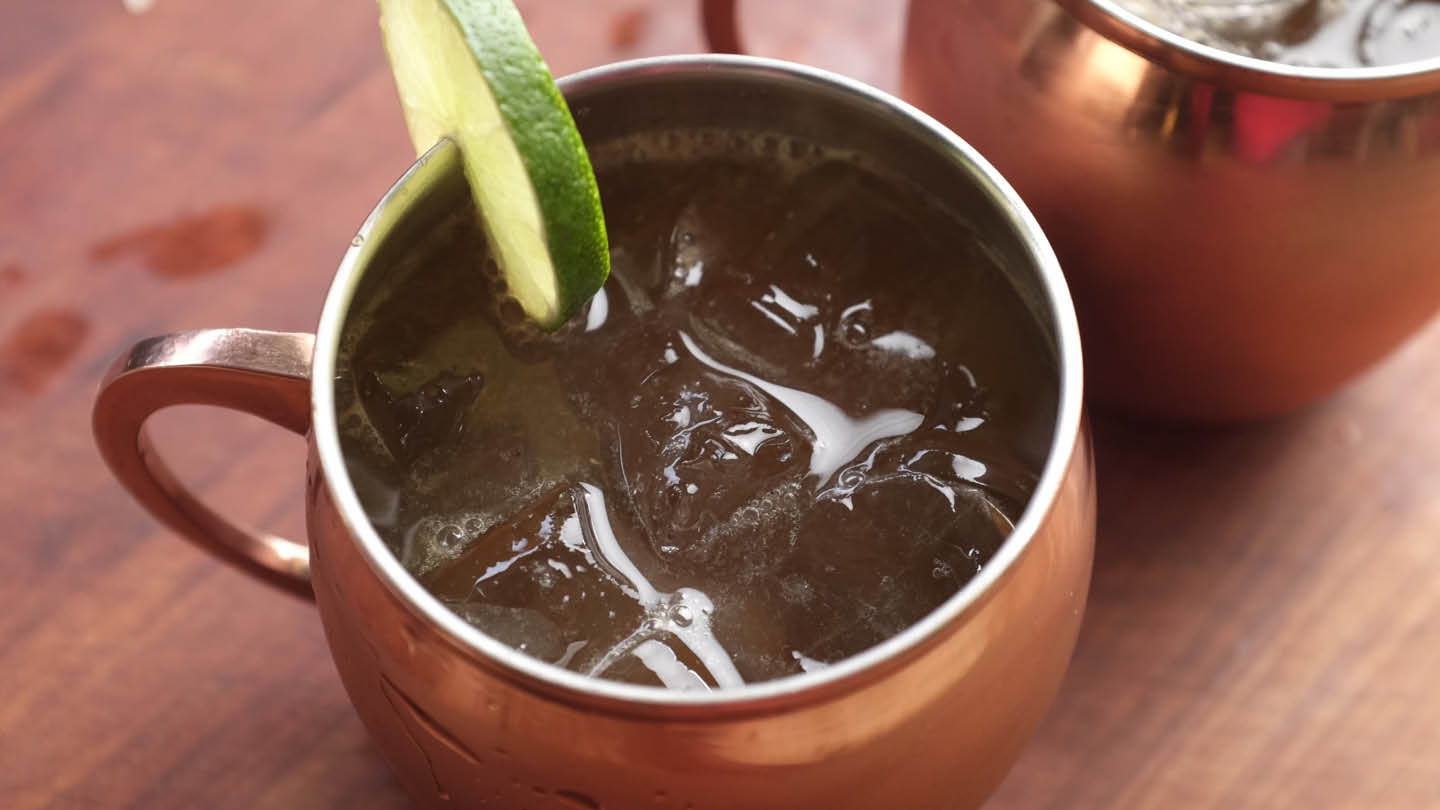
Whisk before pouring, don't just stir: Directions Step 3 calls for whisking the combined ingredients. A brief whisk fully integrates the maple syrup — which is viscous and can settle to the bottom of the cup — throughout the cocktail before it hits the ice. Pouring without whisking risks the maple syrup pooling at the bottom of the mule cup.
Recommended Recipes