Recipe Note
Recipe FAQ
What is the "Will It Taco?" concept?
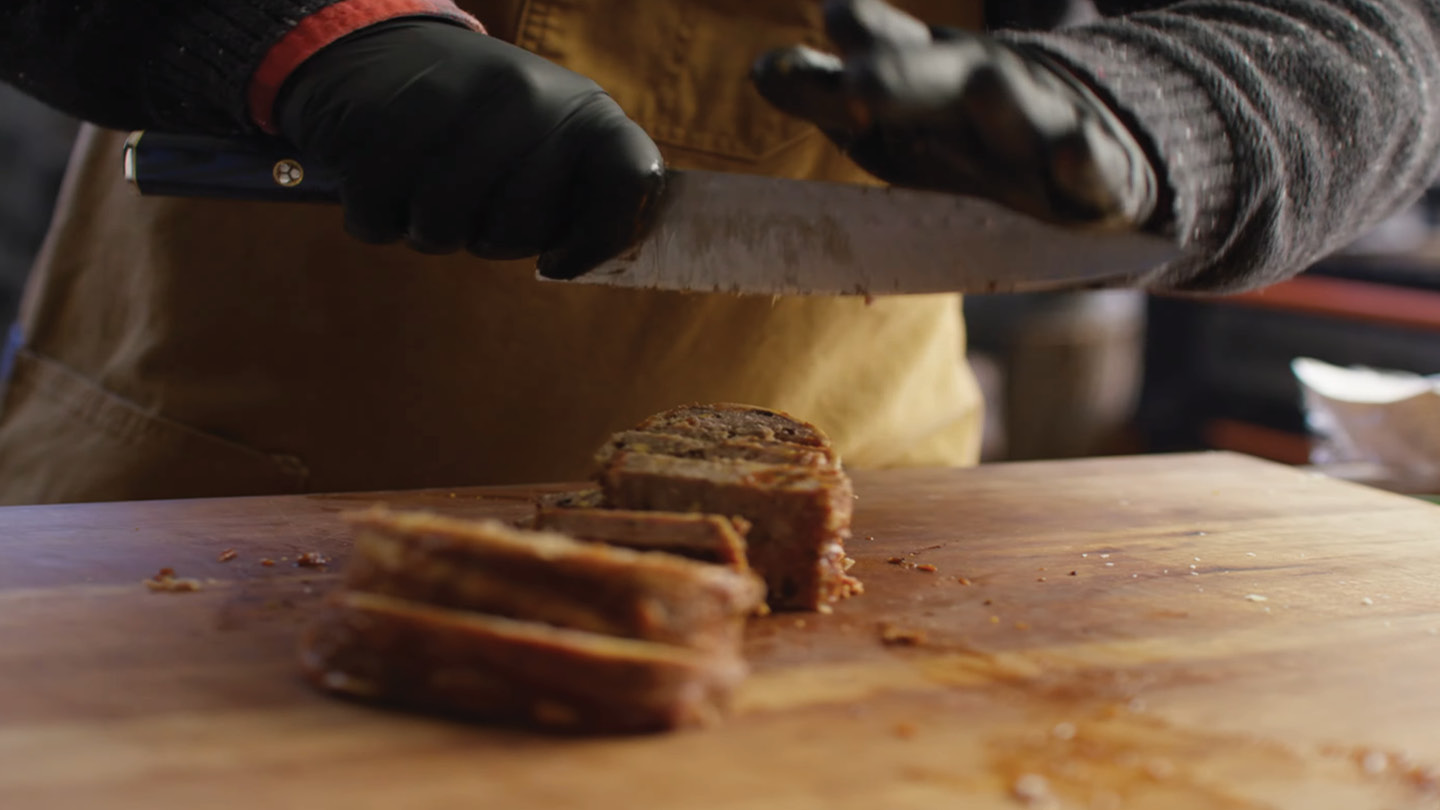
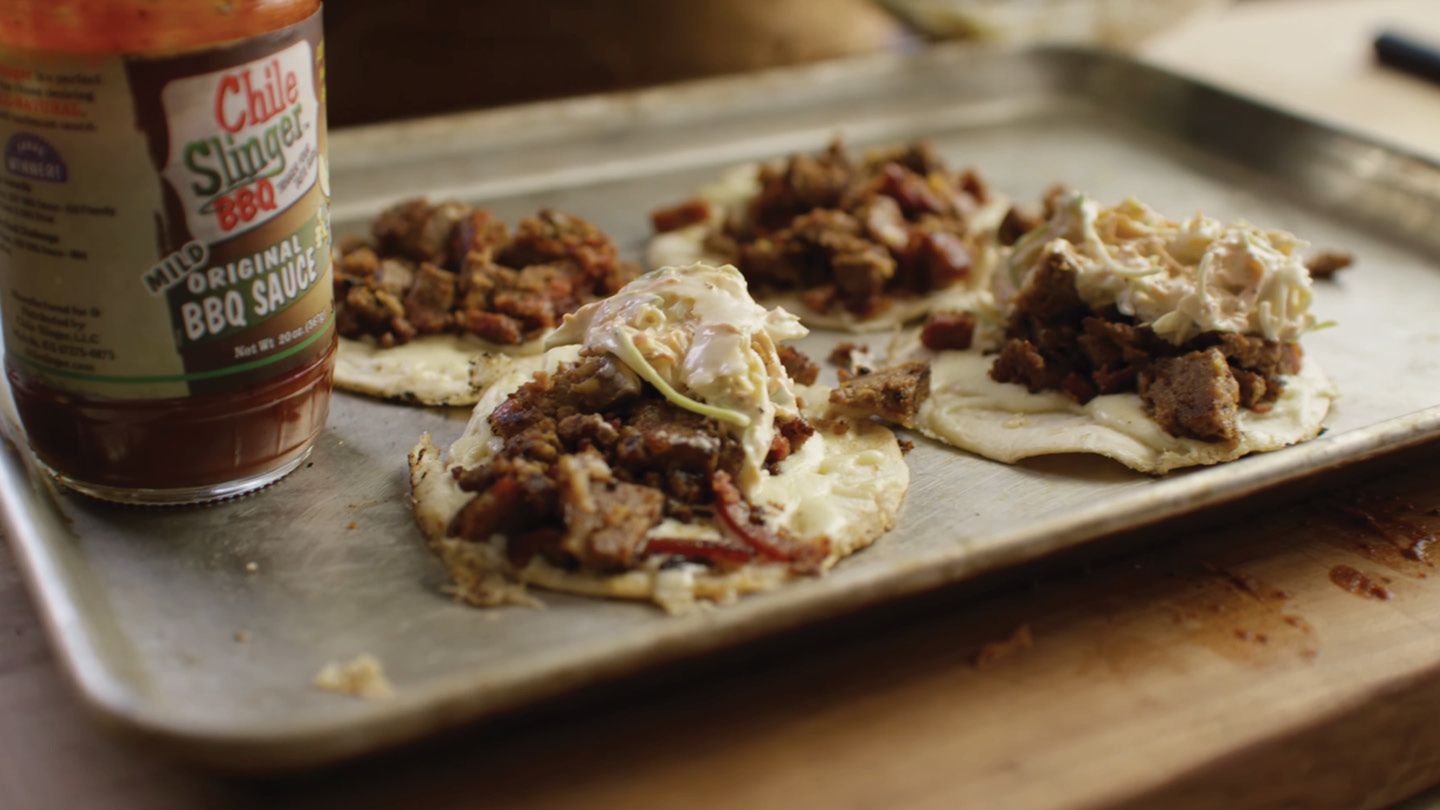
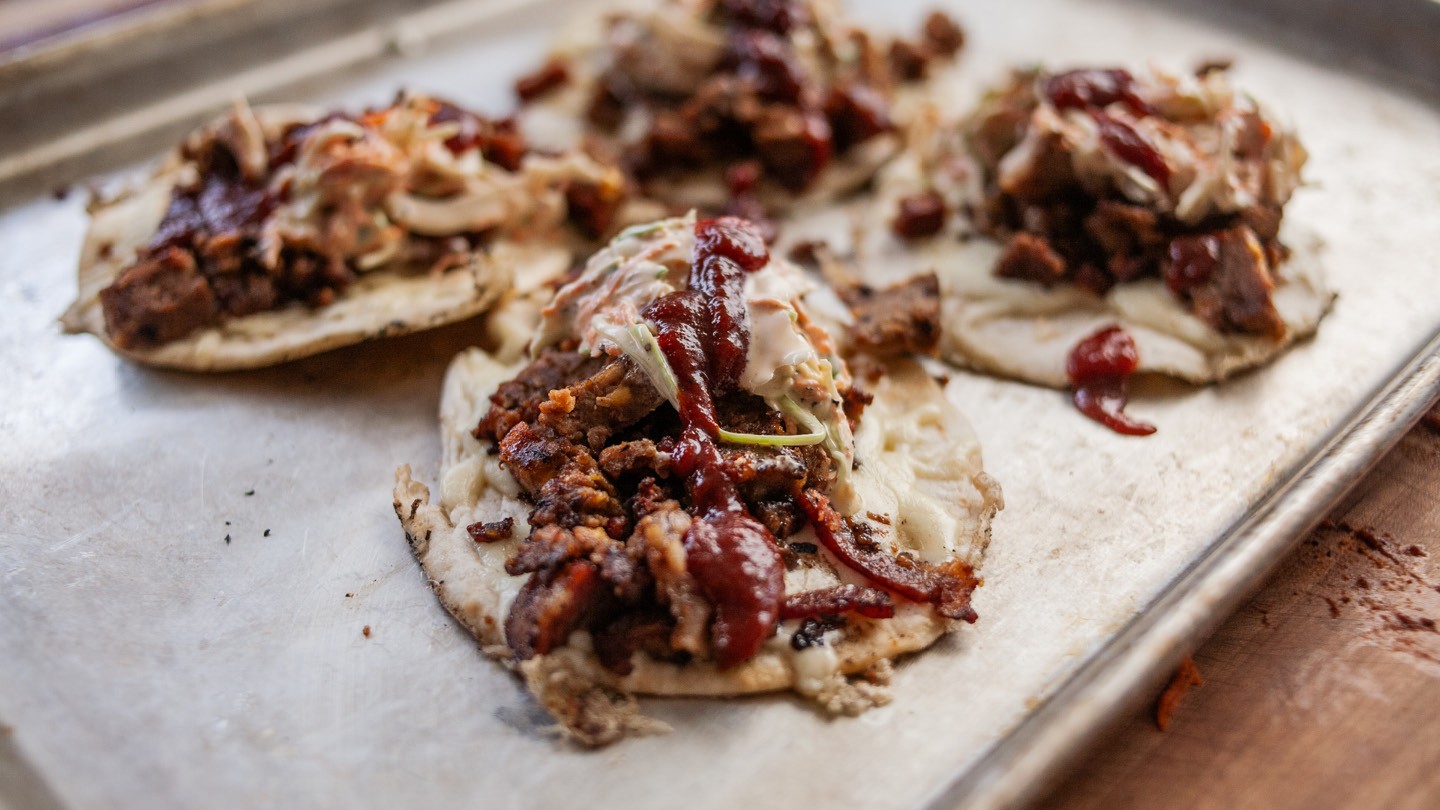
"Will It Taco?" is part of a broader food mashup tradition that asks whether any dish can be successfully converted into a handheld taco format. The approach — stuff it in a tortilla, add a sauce and a fresh topping, see if the flavors work — has become a popular way to reinvent leftovers and challenge the idea that certain foods belong only in their original form. Meatloaf turns out to be an excellent candidate: it's already seasoned, already bound, and slices or chops cleanly into pieces that fit a street taco format.
Does this work with other meatloaf recipes, not just the Bacon Wrapped Meatloaf?
Yes — any well-seasoned, firm meatloaf that holds its shape when chopped works in this format. The Tex Mex Meatloaf Fatty is another natural fit. The main requirement is that the meatloaf has enough internal structure to be chopped into pieces without falling apart on the griddle. Loose, wet meatloaves don't hold up as well as ones with higher fat content and egg binders.
Can I use corn tortillas instead of flour?
Yes — corn street taco tortillas work well here. They're smaller and less pliable than flour tortillas, so use two per taco and keep the filling portions smaller. Corn tortillas benefit from a dry toast directly on the griddle before adding cheese; they don't steam-melt as easily as flour tortillas but can be moistened with a brief splash of water on the griddle using the same technique.
How far in advance can I make the buttermilk slaw?
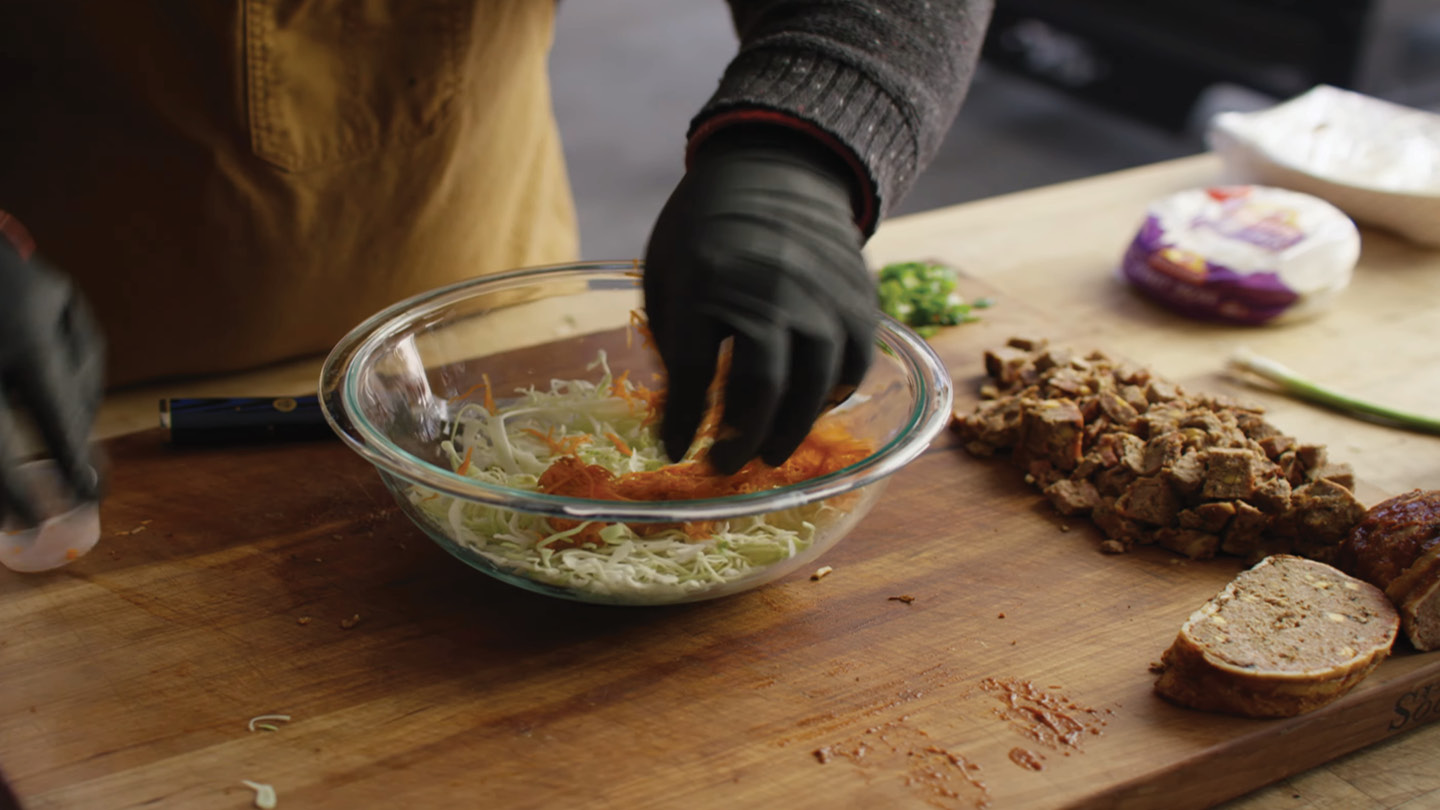
The directions note the slaw keeps refrigerated for up to a week and tastes best after resting a few hours. This makes it ideal to prepare the day before — an overnight rest allows the dressing to fully penetrate the cabbage, the Lone Star seasoning to develop, and the honey to balance the vinegar. The slaw will soften slightly over time; if you prefer more crunch, make it the same day.
What can I substitute for the Fusion Flattop griddle?
Any flat cooking surface works: a cast iron skillet, a flat griddle pan, or a standard non-stick skillet over medium-low heat. The key technique — adding a few tablespoons of water and covering briefly to steam-melt the cheese — works on any covered pan. A lid or a sheet pan placed over a skillet achieves the same steaming effect.
Can I make this indoors?
5 out of 5 — Perfect for indoor or outdoor cooking. This is a leftover reheating recipe on a flat griddle surface — entirely stovetop-compatible. A cast iron skillet or non-stick pan and a lid are all you need indoors.
Recipe Highlights
Add the mayonnaise to the slaw dressing — it's in the ingredients but missing from the directions: The ingredient list specifies ½ cup mayonnaise for the buttermilk slaw dressing. Combine the mayo with the buttermilk, apple cider vinegar, honey, and Lone Star seasoning and whisk together before adding the vegetables. Mayonnaise is the emulsifier that gives the dressing its body and cling; omitting it produces a thin, watery dressing that pools at the bottom of the bowl.
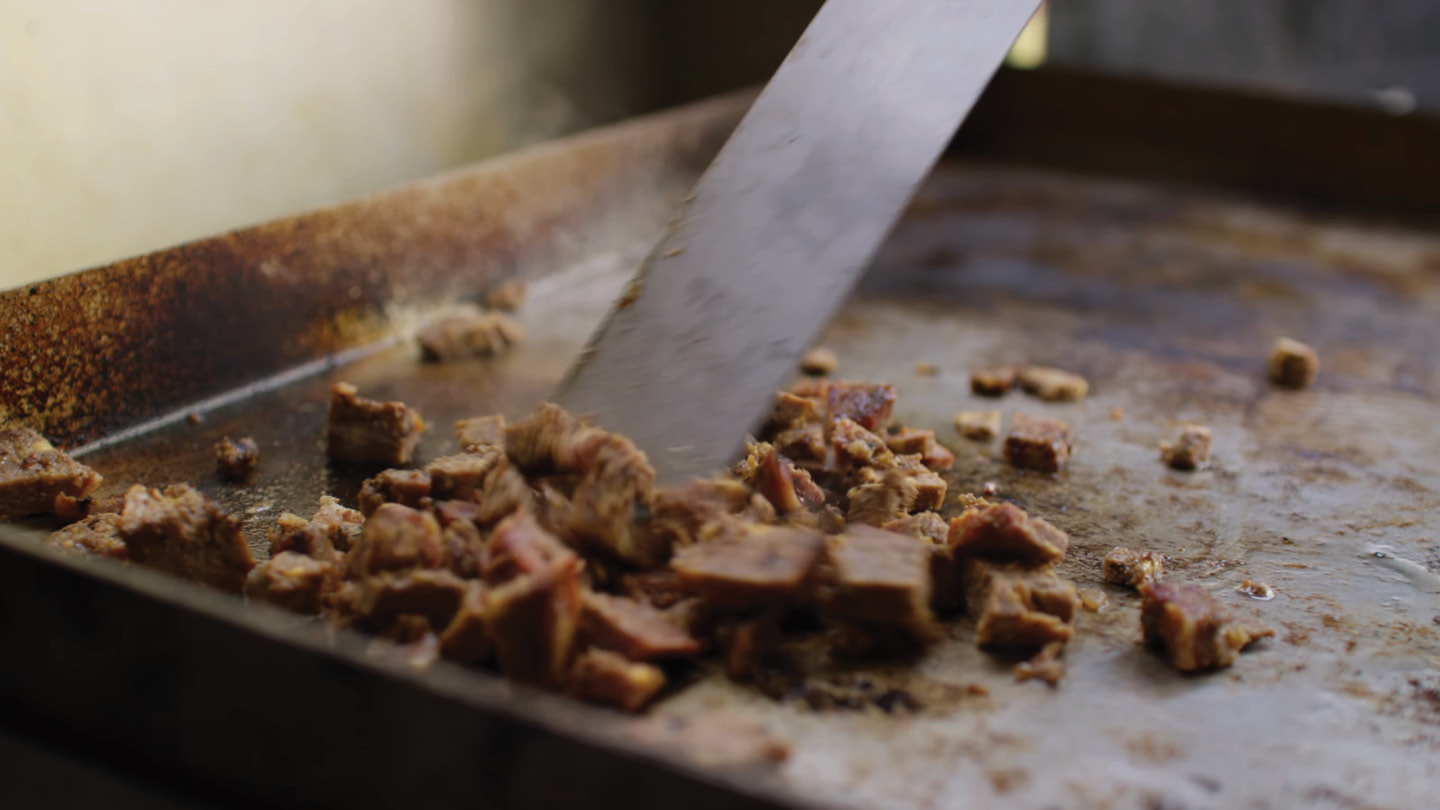
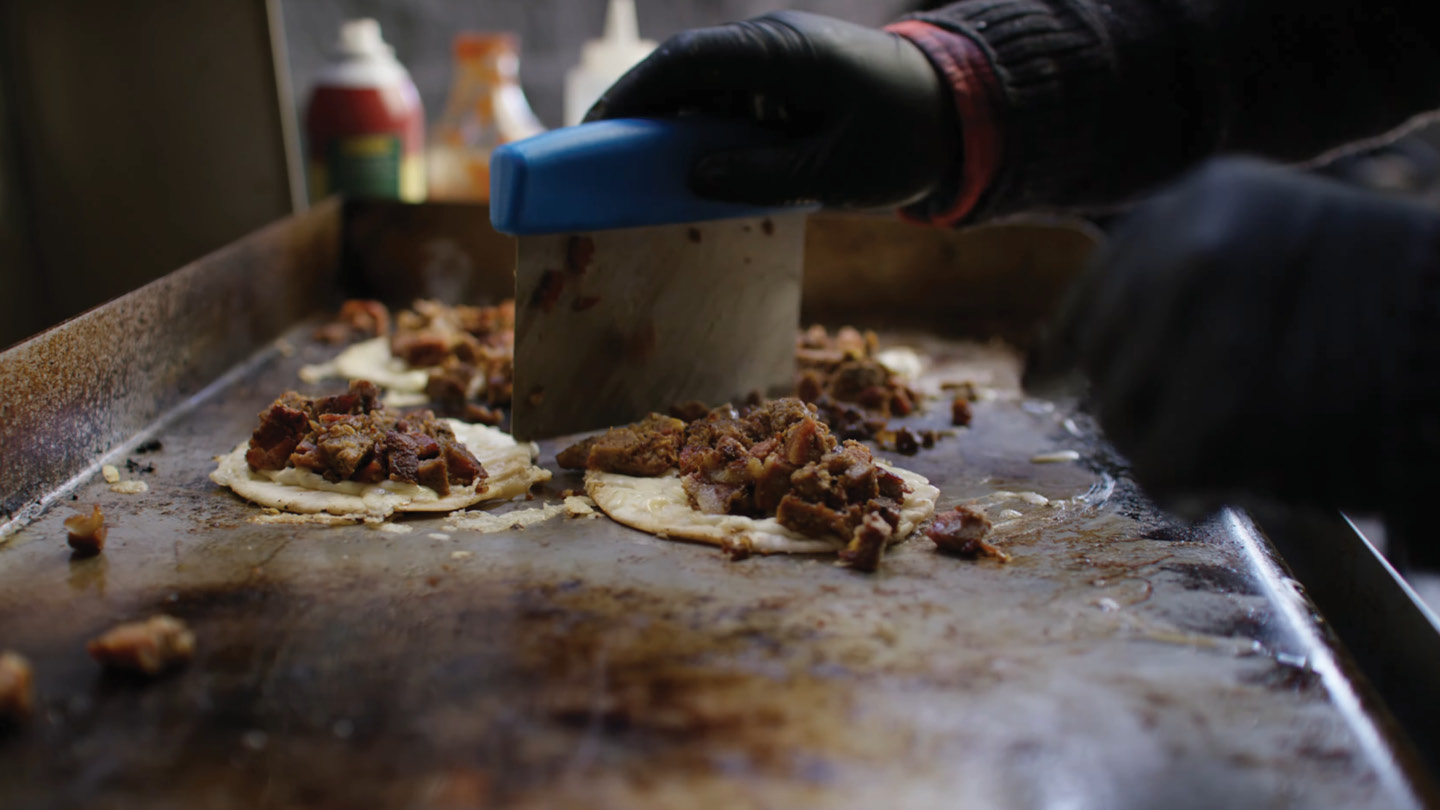
Brown the meatloaf pieces before the tortillas go on — not simultaneously: Directions Step 3 specifies heating the meatloaf first, with the tortillas added "meanwhile" in Step 4. Getting the meatloaf properly browned on all sides takes longer than melting cheese onto a tortilla — starting them at the same time risks the tortilla cheese burning or the meatloaf being pulled before it's properly caramelized. Get the meatloaf going first, then work the tortillas around it on the griddle.
Keep the griddle at medium-low — not medium-high: Directions Step 3 specifies medium-low heat. Chopped meatloaf pieces are already cooked; the goal is to warm them through and develop a browned crust, not to cook them from raw. High heat scorches the exterior before the interior is warmed. Medium-low allows gradual browning on all sides without burning the bacon exterior, which has a higher sugar content from the Chile Slinger glaze.
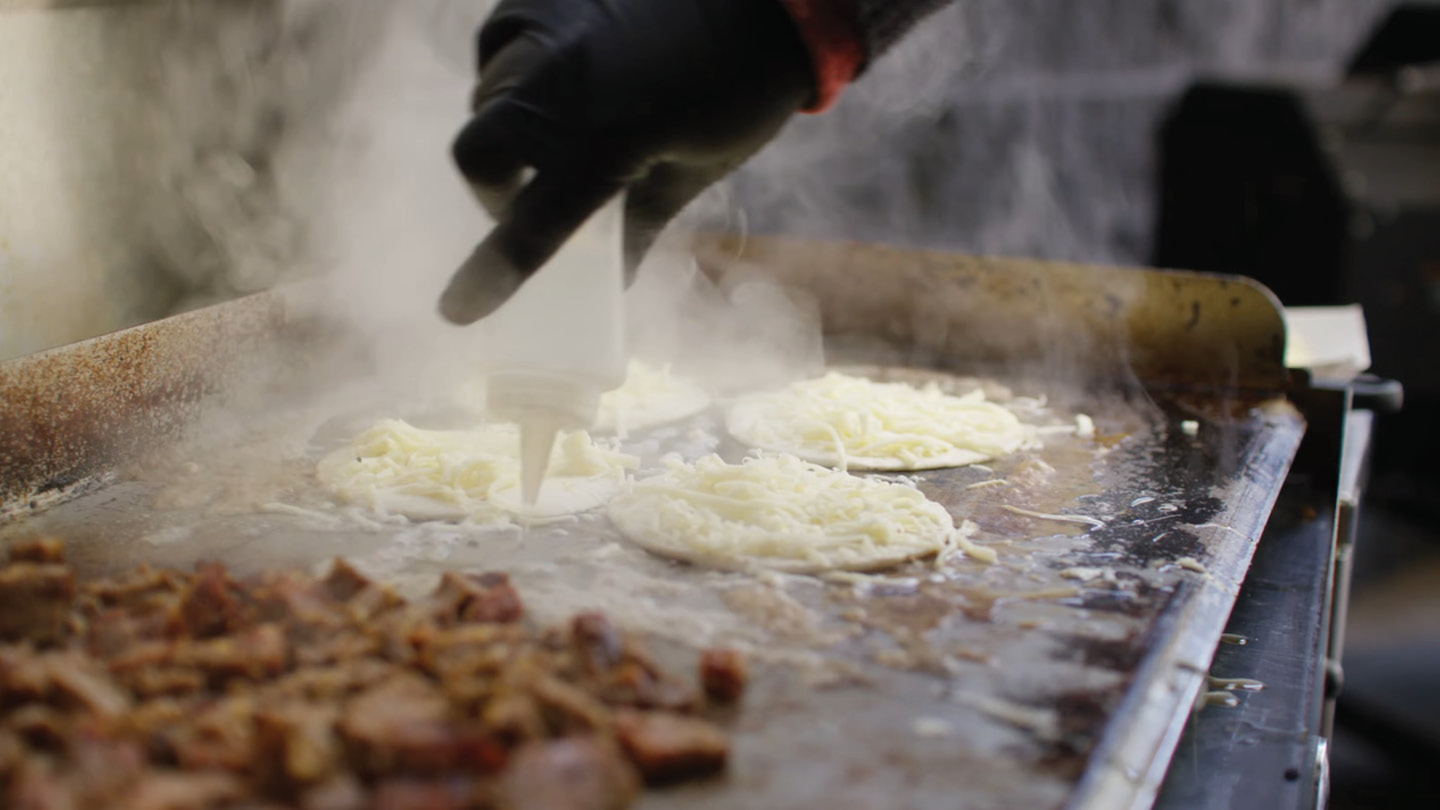
Add just enough water to steam — a few tablespoons, not a pour: Directions Step 4 says "add a few tablespoons of water to the griddle to steam the cheese." Too much water drops the griddle temperature significantly and produces soggy tortillas rather than steam-melted cheese. A few tablespoons creates a brief burst of steam that melts the mozzarella in under a minute — close the lid immediately after adding the water and open it as soon as the cheese is melted.
Recommended Recipes