Recipe Note
Recipe FAQ
What cuts work best for this technique?
Sirloin tip is the cut demonstrated in this recipe, but the four techniques — dry brining, butter basting, finishing at the correct internal temperature, and thin slicing across the grain — apply to any lean, moderately tough budget cut. Flank steak, skirt steak, flat iron, chuck eye steak, and top round all respond well to this method. Avoid using it on very tough braise cuts (chuck roast, brisket) that require low-and-slow cooking, or on premium steaks (ribeye, NY strip) that don't need the technique intervention.
How long should I dry brine and what does it do?
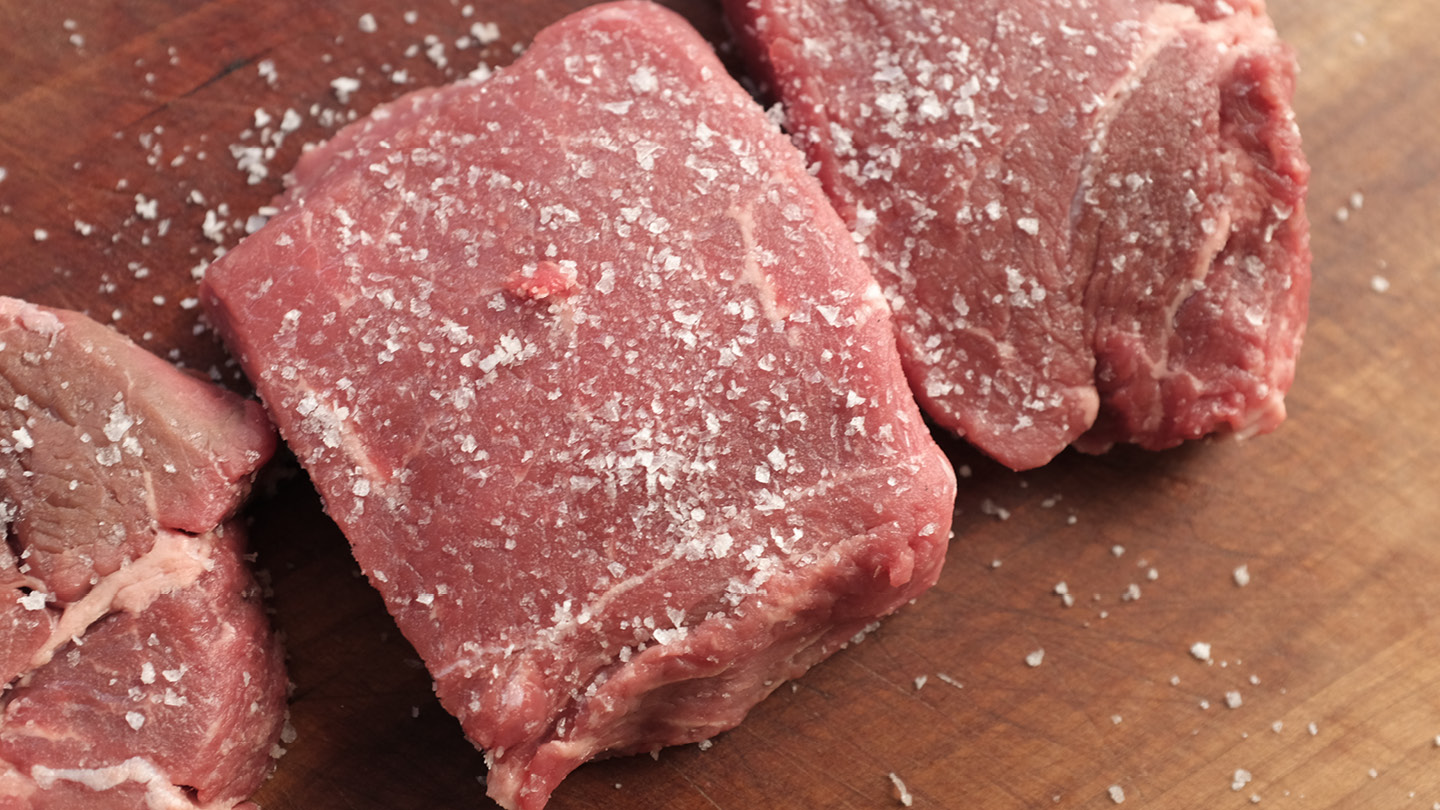
The minimum useful dry brine time is 45 minutes, but overnight (8–12 hours) produces the best result. Here's what happens: salt draws moisture out of the meat surface through osmosis. Over 45 minutes to an hour, that moisture dissolves the salt and is reabsorbed back into the muscle fibers, seasoning the interior rather than just the surface. The surface then dries out during the refrigerator rest, which produces a dramatically better sear on contact with the hot skillet — wet meat steams rather than sears. The longer the brine, the more thoroughly the salt penetrates.
Why add garlic and thyme to the butter basting skillet?
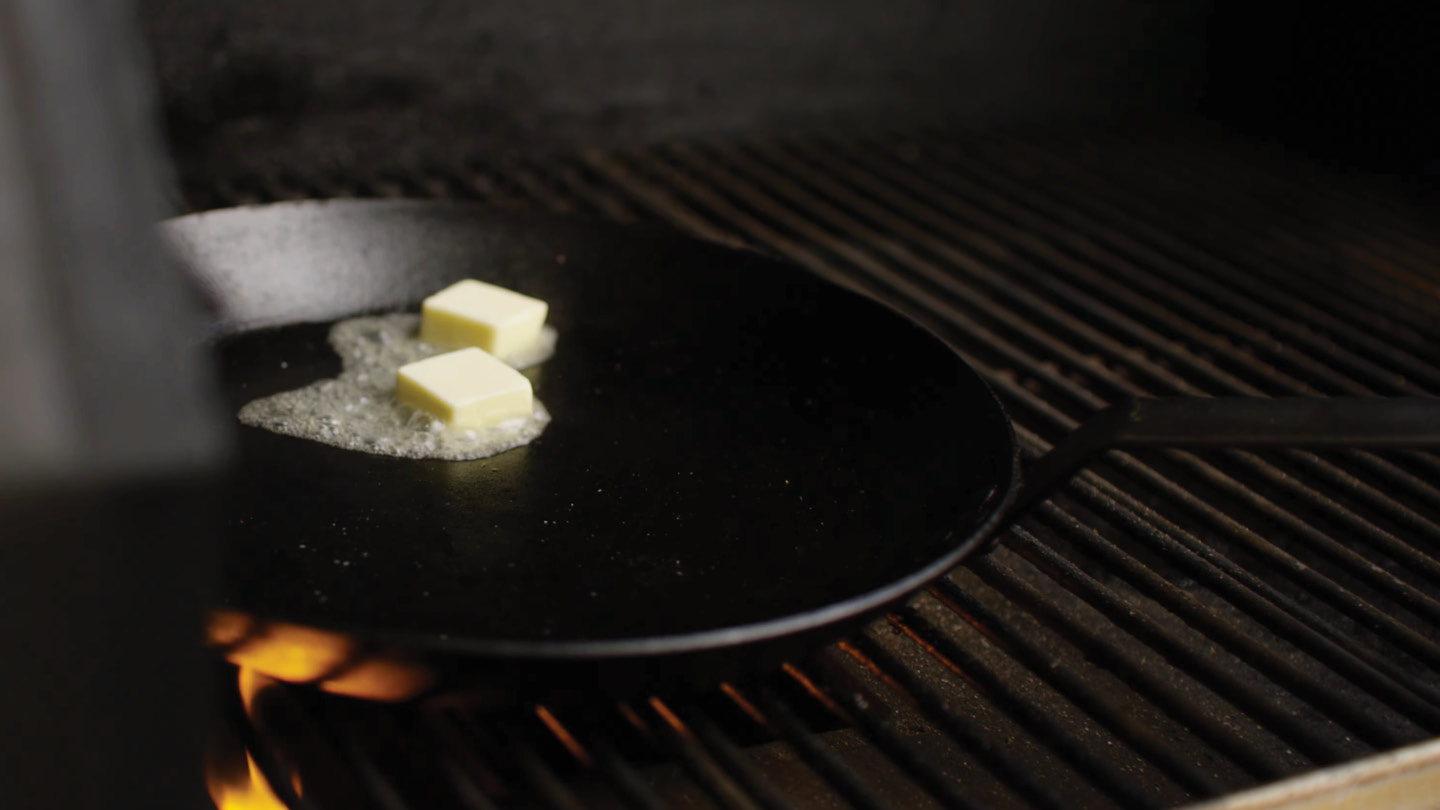
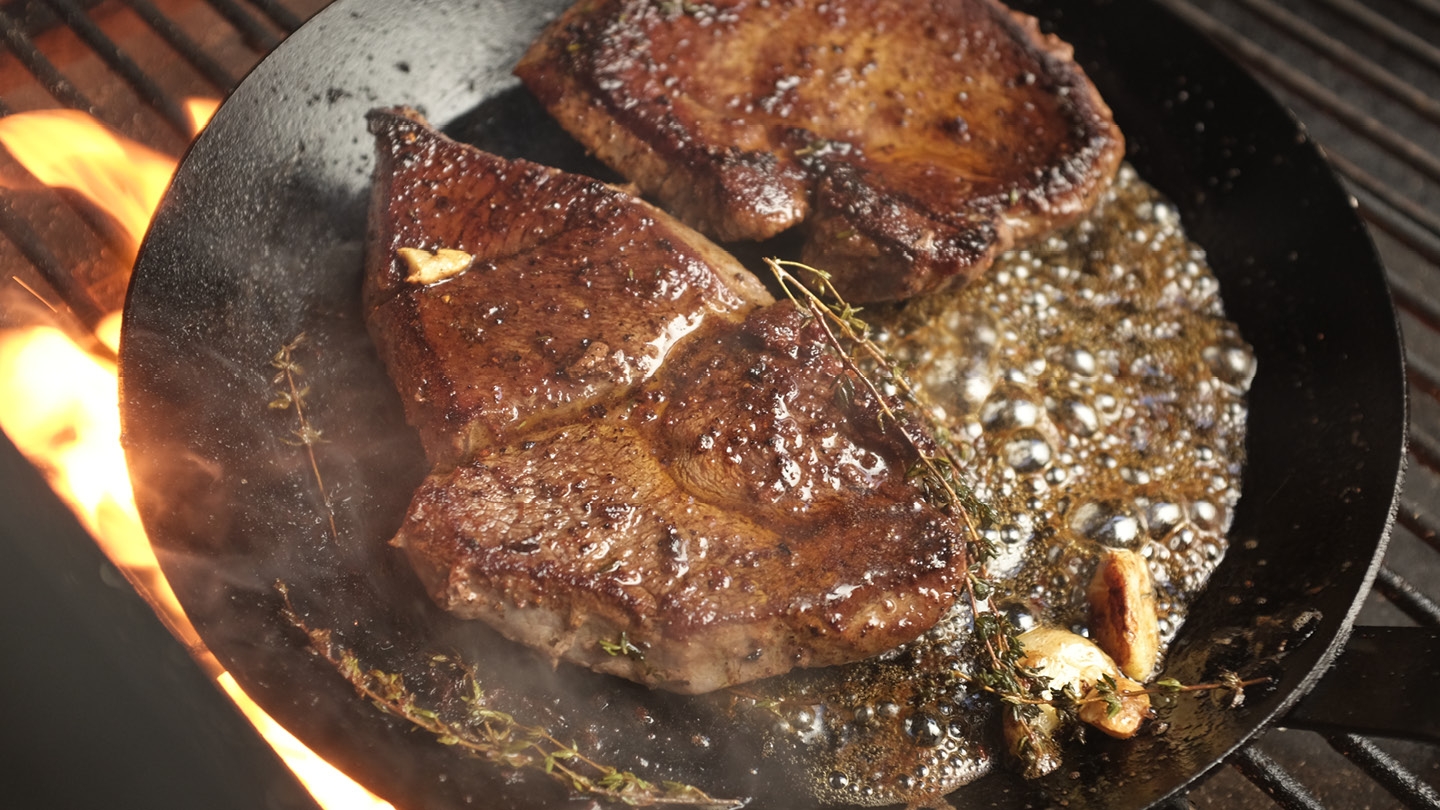
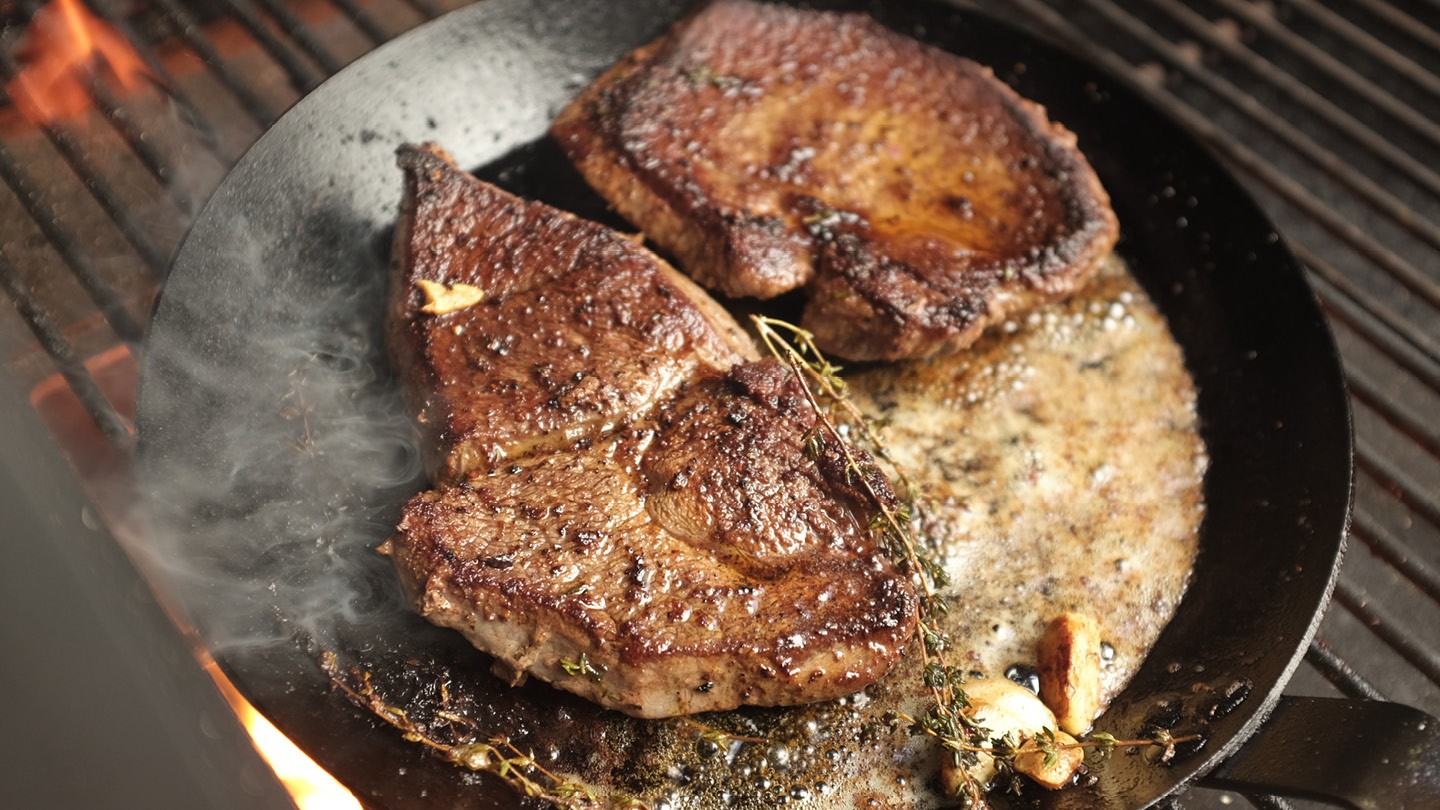
Garlic and thyme are aromatic compounds that are fat-soluble — they infuse into the hot butter almost immediately. As you continuously spoon the garlic-thyme-infused butter over the steak, you're essentially marinating the steak in a hot aromatic butter sauce as it sears. The result is a steak whose surface carries herb and garlic character in every bite, rather than a plain butter baste. The aromatics themselves are discarded at service — they're flavor vehicles, not components.
Why pull the steak at 125°F?
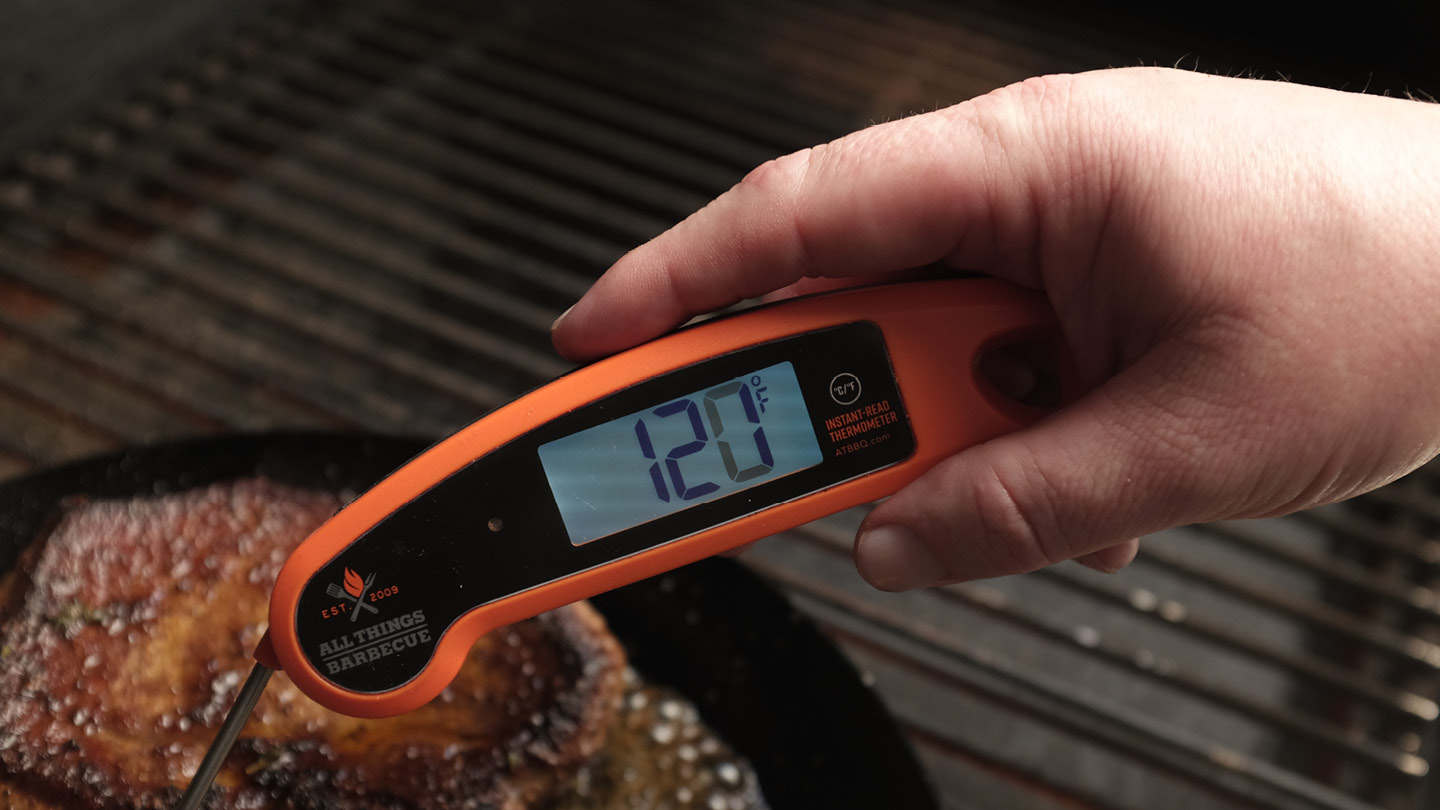
125°F produces medium-rare — the steak will carry over to approximately 130–132°F during the 5–10 minute rest, which is the ideal serving temperature for medium-rare. For sirloin tip specifically, which is leaner and slightly firmer than premium cuts, you can also target 130–135°F (medium) if you prefer a slightly less pink result — the higher moisture retention from the dry brine makes the steak more forgiving at medium than untreated sirloin tip. Use an instant-read thermometer; visual doneness cues are unreliable.
Why slice thin and what does "across the grain" mean?
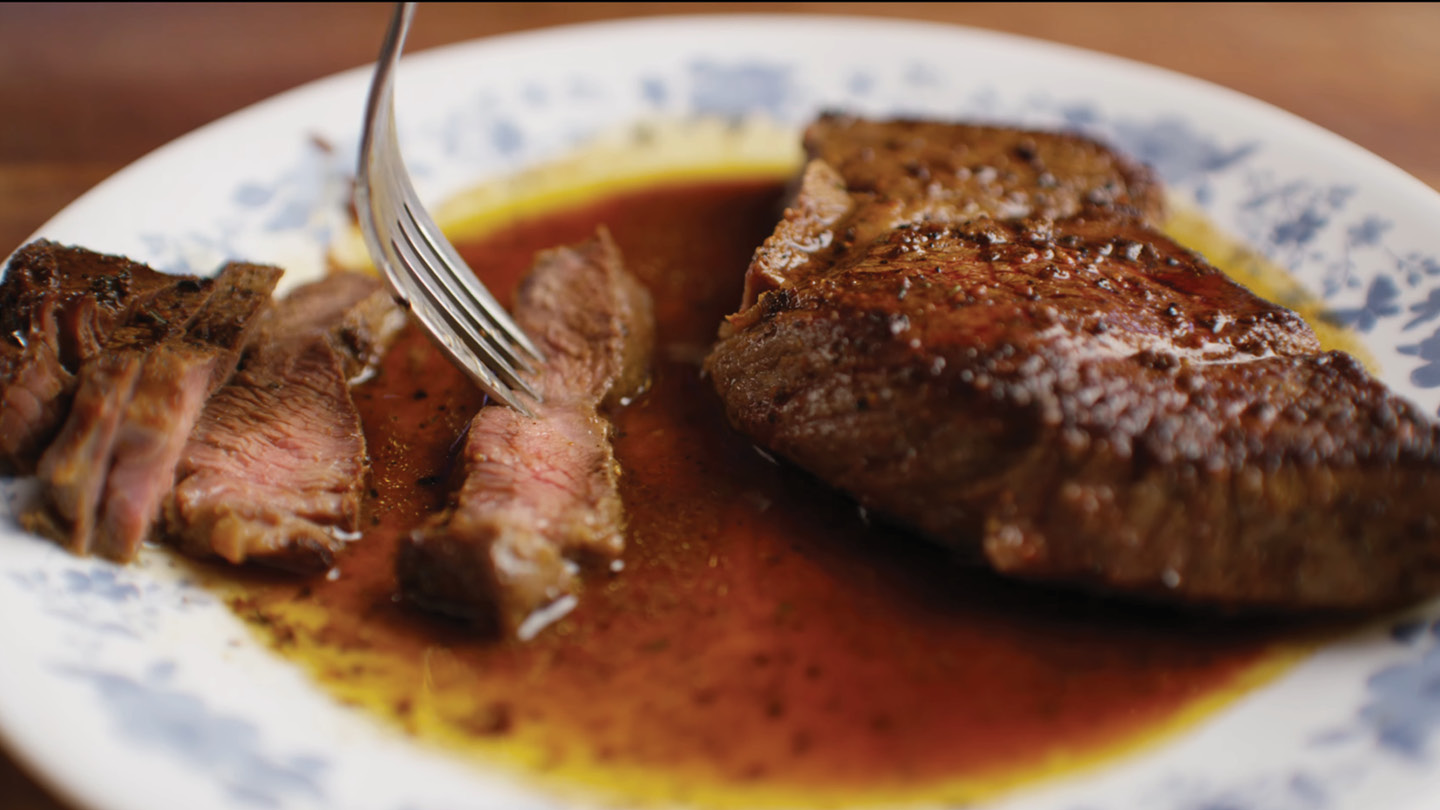
Slicing across the grain means cutting perpendicular to the direction the muscle fibers run. Look at the surface of the cooked steak — you'll see long parallel lines running in one direction. Cut at 90 degrees to those lines. Each slice then severs the fibers at the width of the slice rather than pulling along their full length. A ¼-inch-thick across-the-grain slice of sirloin tip is significantly more tender than the same slice cut with the grain. For cheap steaks, this is not optional — it's the technique that makes the difference between chewy and tender.
Can I make this indoors?
4 out of 5 — Great in the kitchen, better on the grill. A Lodge steel skillet or cast iron preheated over the highest stovetop heat available replicates the basting technique identically — tilt the pan, spoon the butter continuously. The only minor difference is the ambient grill environment during the final minutes of cooking. The dry brine, baste, temperature target, and slicing technique all translate fully indoors.
Recipe Highlights
Pat the steak completely dry after the brine — don't skip this step: Direction Step 3 specifies patting dry after removing from the container. The surface moisture from the overnight brine must be fully removed before the steak hits the hot skillet — any residual moisture will immediately steam, dropping the skillet temperature and preventing a proper sear. Paper towels, pressed firmly on all surfaces, are the most effective tool. The drier the surface going into the skillet, the better the Maillard crust.
Preheat the skillet for 5 minutes before adding butter: Direction Step 4 specifies placing the Lodge Steel Skillet in the grill at 425°F for 5 minutes before any fat goes in. A properly preheated skillet reaches a surface temperature well above the grill setpoint temperature — the stored heat in the cast steel is what drives the initial sear. Butter added to a cold or warm skillet will sputter and foam before producing the immediate sear the recipe requires. Wait for the full 5 minutes.
Keep the grill door open during the sear phase: Direction Step 5 specifies keeping the grill door open until a nice sear develops on both sides. With the diffuser door removed and the skillet over the firebox at 425°F, the grill interior temperature is extremely high — closing the door traps that heat and can cause the butter to smoke excessively and the steak to overcook on the exterior before the interior reaches temperature. The open door provides the visual access needed to monitor the sear and the baste simultaneously.
Rest for the full 5–10 minutes before slicing: Direction Step 6 specifies resting after pulling at 125°F. During the rest, the internal temperature rises 5–7°F through carryover cooking and the juices redistribute from the center toward the edges. Slicing immediately after pulling a lean cut like sirloin tip produces significant juice loss on the cutting board. The full rest produces a steak that retains its juices in the meat rather than pooling on the board.
Recommended Recipes