

Carbonara is a delicious, easy-to-prepare dish that makes a perfect meal for busy evenings. It features a rich, creamy sauce of egg and cheese, with the added flavor of bacon or pancetta. Enjoy this classic Italian dish with freshly cooked spaghetti.
WHAT YOU'LL LOVE
- Starting the bacon in a cold skillet lets the fat render out gradually as the pan heats up, rather than searing the outside before the fat has a chance to melt away
- Tossing the just-drained pasta directly in the rendered bacon fat coats every strand before the egg mixture goes in, building a base layer of flavor underneath the sauce
- Mixing the cheeses into the eggs before combining with the pasta pre-builds the sauce as one unit, rather than adding cheese and egg separately and risking uneven coverage
- Thinning the sauce with reserved pasta water instead of cream uses the starchy cooking water to loosen the sauce naturally, keeping the dish true to a traditional carbonara
Carbonara Bucatini
Tom Jackson
Rated 5.0 stars by 1 users
Category
Entree
Cuisine
Italian
Servings
4
Prep Time
10 minutes
Cook Time
15 minutes
Calories
587
Carbonara is one of the easiest and tastiest dishes that can be quickly prepared for a perfect weeknight meal!
Ingredients
- 4 oz bacon lardons
- 8 oz bucatini pasta
-
2 tbsp Jacobsen Salt Co. Kosher Sea Salt
- 1 1/2 oz pecorino tartufo (truffle)
- 1 1/2 oz Parmigiano Reggiano
- 2 eggs
- 1 egg yolk
- Black pepper
- 1/4-1/2 cup pasta water
Directions
- Place the bacon in a cold Lodge 12” Cast Iron Skillet. Begin rendering the bacon over medium heat, stirring occasionally. When the bacon is beginning to crisp, turn off the heat.
- Bring a medium pot of water to a boil. Add the Jacobsen Salt Co. Kosher Sea Salt. Add the bucatini pasta to the boiling water and cook to al dente, about 7 minutes. The pasta should be cooked but still have some bite to it.
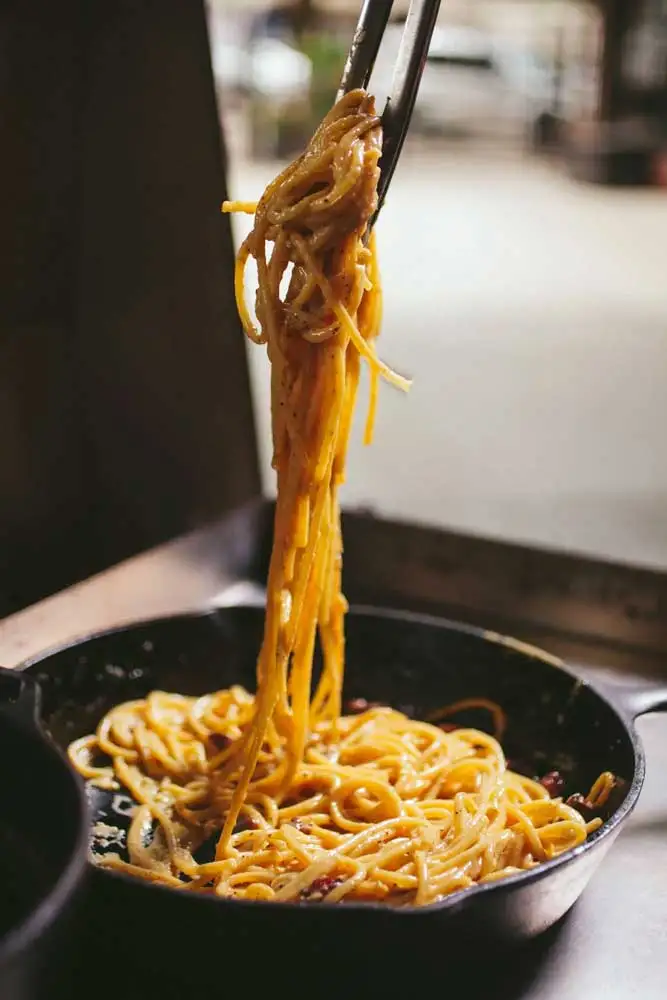
- Remove the pasta from the water with tongs and transfer directly to the Lodge Cast Iron Skillet with the bacon and bacon fat. Toss the pasta in the bacon fat to coat the noodles.
- Combine the cheeses with the eggs and yolk and mix well with a fork. Season the mixture generously with fresh ground black pepper.
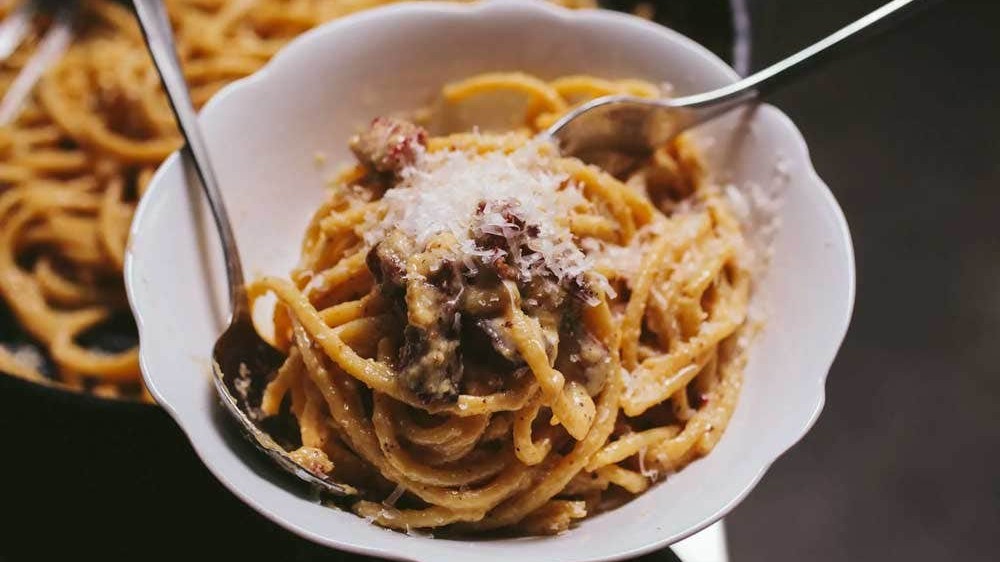
- Transfer the egg and cheese mixture to the pasta and toss to coat. Thin with reserved pasta water, as needed.
- Taste the Carbonara Bucatini and adjust seasonings as needed.
This Carbonara Bucatini recipe keeps it pretty simple, featuring our homemade smoked bacon, two of our favorite Italian cheeses and the thick and filling bucatini noodles. Whether you want to throw in some broccoli, asparagus or spinach right into the pasta, serve it with a salad on the side or just keep it simple, the results are tasty every time!
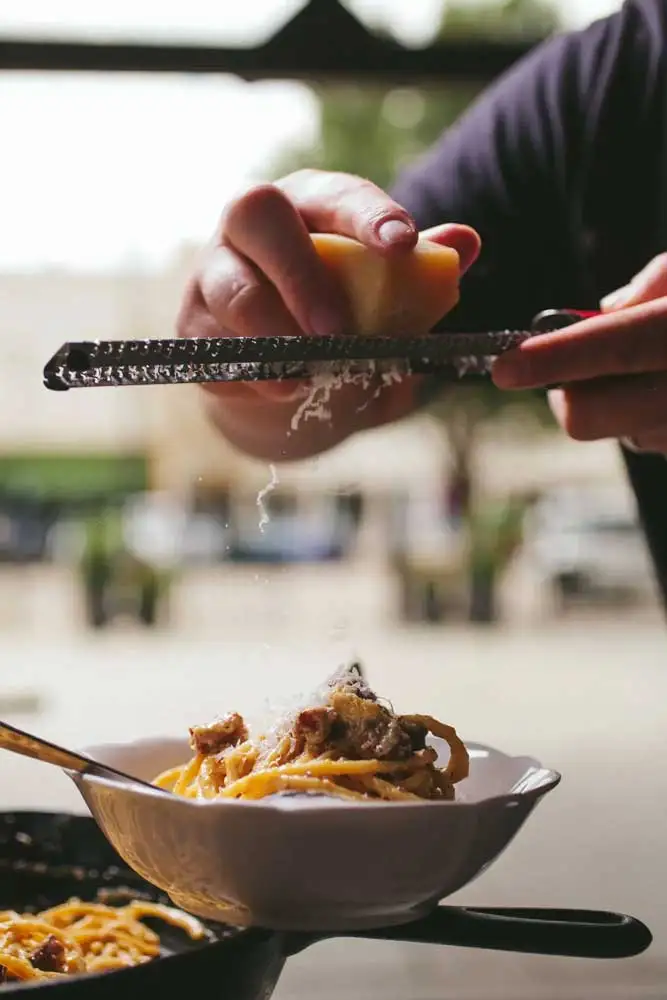
It all starts with Chef Britt’s cured and smoked bacon. Traditionally Carbonara is made with guanciale or pancetta, both of which are cured cuts of pork from Italy. Bacon makes for a great substitution!
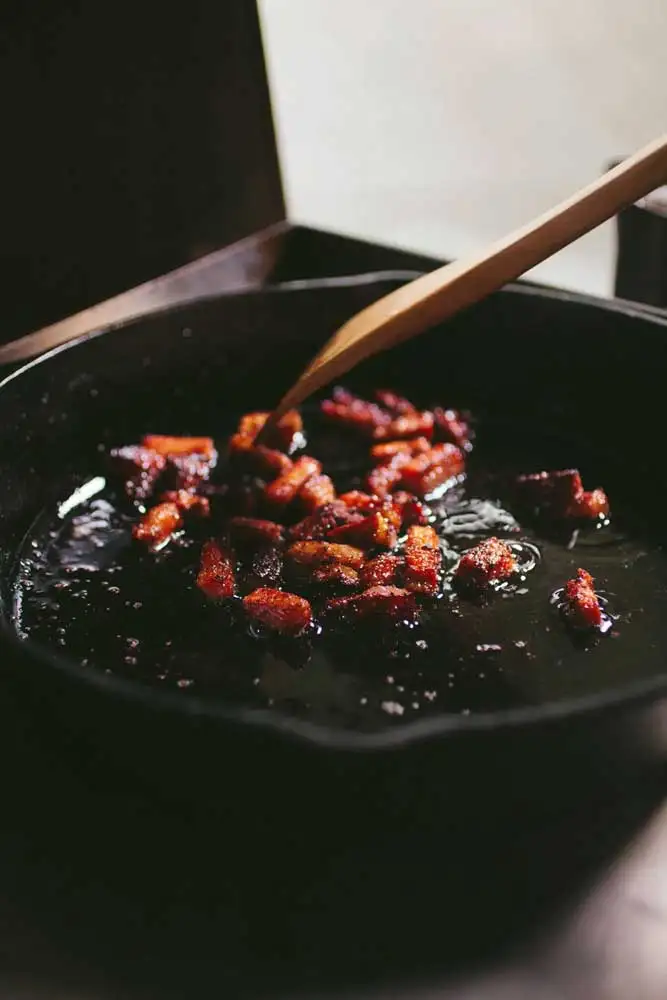
While spaghetti may be the most popular pasta for Carbonara, my personal favorite is Bucatini. Bucatini is a thicker pasta, similar in shape to spaghetti, but hollowed out in the center.
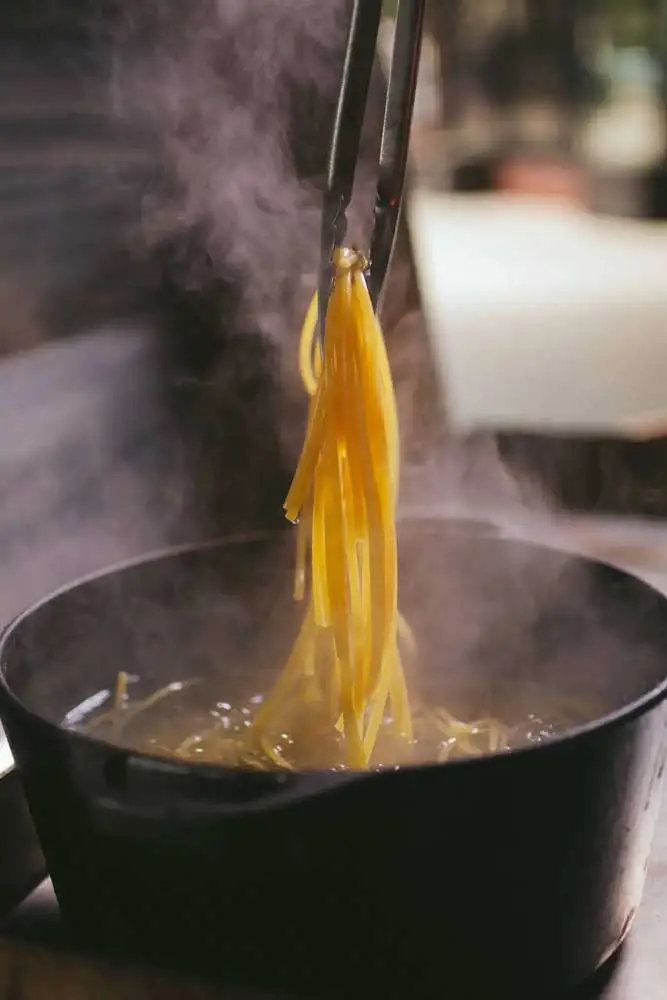
The eggs and cheeses create the sauce that Carbonara is known for. The eggs thicken the sauce, adding richness, while the cheeses define the flavor. You will typically find Pecorino Romano, Parmigiano-Reggiano or a combination of the two cheeses in Carbonara. We snuck in a Pecorino Tartufo with little bits of black truffle worked into the cheese to really bump up the flavor!
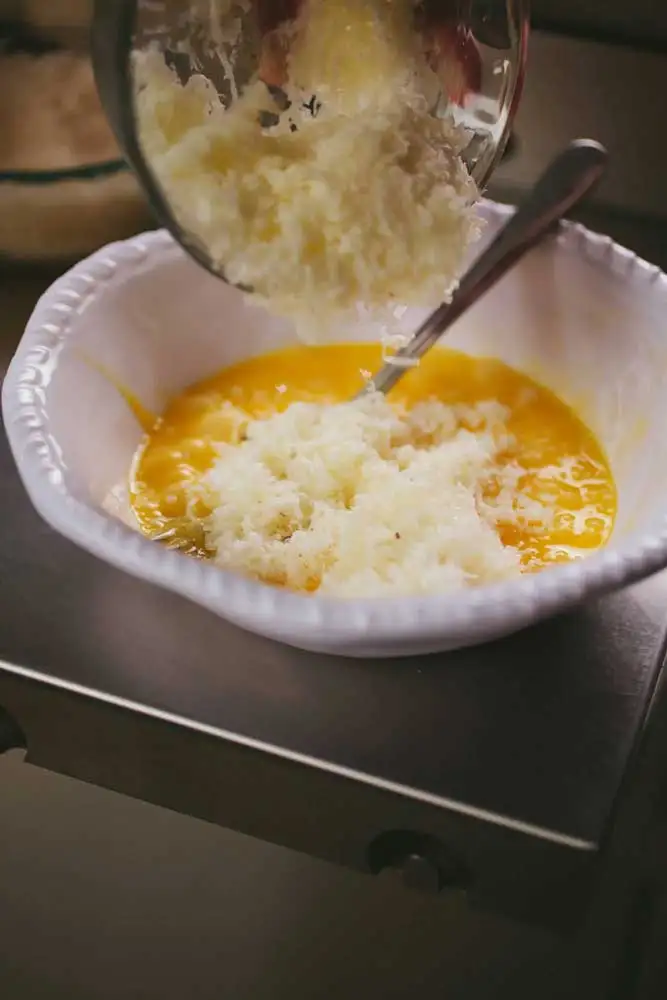
As the egg and cheese mixture combines with the bacon fat and is worked into the warm pasta it forms the sauce that coats the bucatini, creating the magic that is Carbonara!
Recipe Note
Recipe FAQ
Why start the bacon in a cold skillet instead of a preheated one?
Starting cold lets the fat render out gradually as the pan comes up to temperature, rather than searing the surface of the bacon before the fat underneath has fully melted away.
Why toss the drained pasta directly in the bacon fat before adding the egg and cheese mixture?
Coating the noodles in the rendered fat first builds a base layer of flavor into the pasta itself, so the egg and cheese sauce goes on top of an already-seasoned foundation rather than a plain, dry noodle.
Why mix the cheeses into the eggs before combining everything with the pasta?
Pre-mixing them into one uniform mixture means the sauce is fully built before it touches the pasta, rather than adding cheese and egg separately and risking uneven coverage across the noodles.
Why thin the sauce with reserved pasta water instead of cream?
The starchy pasta water loosens the sauce to the right consistency while keeping the dish true to a traditional carbonara, which doesn't use cream — the eggs and cheese alone are what create the sauce's richness.
Is it safe to eat the eggs in this dish, since they're not fully cooked?
The eggs are warmed by the hot pasta and residual heat from the skillet but not cooked through the way scrambled eggs would be, similar to other classic preparations like hollandaise. This carries a small salmonella risk. If you'd rather avoid that, look for pasteurized eggs, or note that the eggs will end up more visibly cooked (and further from traditional carbonara texture) if added to a still-very-hot pan.
How indoor-friendly is this recipe?
5 out of 5 — this comes together entirely on the stovetop; nothing about the technique requires an outdoor grill.
Recipe Highlights
Cold-start bacon: Renders fat gradually as the pan heats.
Fat-coated pasta: Builds a flavor base before the sauce goes on.
Pre-mixed egg-cheese sauce: Ensures even coverage across the pasta.
Pasta-water thinning: Keeps the sauce traditional, without added cream.
Recommended Recipes
Nutrition
Nutrition
- Nutrition Serving Size
- 5.44 oz
- per serving
- Calories
- 587
- Carbs
- 80 grams
- Protein
- 24 grams
- Fat
- 17 grams
- Sodium
- 680 milligrams


