Lodge Blacklock Triple Seasoned 12″ Skillet — Frequently Asked Questions
What is the Lodge Blacklock Triple Seasoned 12″ Skillet?
The Lodge Blacklock 12″ Skillet is a modern cast iron pan designed to combine traditional strength with lighter handling. It comes **triple seasoned™** from the factory and is engineered to be about 25% lighter than standard cast iron while maintaining excellent heat retention.
What are its features and specifications?
• Material & Finish: Cast iron with triple-seasoned™ surface (100 % natural vegetable oil)
• Design: Thinner, lighter construction (relative to traditional cast iron)
• Weight & Dimensions: Length ~ 19.19" × outside diameter ~ 12.95" × depth ~ 2.25"
• Cook Surface Area: ~ 12″ diameter inside usable space
• Pour Spouts: Generous pour spouts on both sides for draining sauces and gravies
• Handles: Raised, extended main handle (to stay cooler longer) and a helper (assist) handle for balance and control
• Compatibility: Suitable for all heat sources — stovetop (gas, induction, electric), oven, grill, and open flame
• Origin & Safety: Made in the USA; no PFAS or PTFE coatings (natural nonstick)
How should I use it for best results?
• Preheat slowly and evenly before adding food, to help the thinner walls heat properly.
• Since it’s lighter, the heat-up time is a bit faster — be watchful of hotspots.
• Use oil or fat early to protect seasoning and reduce sticking, especially with delicate foods.
• The pour spouts are helpful when deglazing or pouring sauces directly from the skillet.
• Use both handles (main + helper) when moving a hot, full skillet.
• After cooking, let it cool somewhat before washing — avoid thermal shock.
How do I care for and maintain the Blacklock skillet?
• Always hand wash — avoid dishwashers.
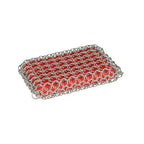
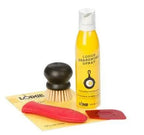
• Use warm water and a soft brush or sponge; avoid harsh detergents or harsh abrasives.
• Dry thoroughly immediately (you can warm it on a burner to evaporate moisture).
• After drying, apply a thin coat of oil (flaxseed, vegetable, etc.) to maintain seasoning.
• Store in a dry place and protect the interior surface when stacking.
• Over time, the seasoning will deepen and smooth out with continued use.
• If the seasoning degrades (sticking or dullness), reseason by applying a thin oil coat and baking it in a hot oven.
What are the advantages and downsides?
Advantages:
• Lighter weight than traditional cast iron — easier to handle for wider usage
• Triple-seasoned finish gives better nonstick performance out of box
• Excellent heat retention and durability (as expected from cast iron)
• Versatile across all heat sources, including induction, grills, ovens, etc.
• Generous pour spouts and helper handle increase usability
Limitations / cautions:
• Because the walls are thinner, extreme heat changes or misuse might stress its structure
• The surface, while pre-seasoned, may still require break-in or touch-up seasoning for best performance
• The handle, though raised, will still get hot — protection is necessary
• Not as heavy a heat “reservoir” as thick traditional cast iron — though performance is good, very large thermal loads may show some concessions